
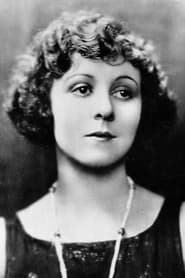
Edith Johnson
Actor
- Active
- 1915-1917
Films 2
About Edith Johnson
Edith Johnson was an American silent-film actress whose screen career was brief but placed her within the earliest years of feature-length filmmaking in the United States. Based on surviving film credits, she was active primarily between 1915 and 1917, a period when the silent cinema was rapidly evolving from short subjects into more elaborate narrative features. She is credited in The Mystery of Dead Man's Isle (1915) and The Scarlet Car (1917), two films that connect her to the adventurous, melodramatic, and action-oriented storytelling popular in the mid-1910s. Because she worked in an era when studio publicity was often minimal and many performers left few surviving personal records, details of her early life, training, and later career are not well documented in readily available film-reference sources. Her known work suggests she was part of the large pool of character and supporting players who helped establish the look and tempo of silent-era American screen drama. Edith Johnson should not be confused with other women of the same or similar name from later periods; the filmography points to a distinct early-cinema performer. Her surviving credits make her a small but authentic part of silent-film history, especially for researchers tracing lesser-known women actors in the 1910s.
More about Edith Johnson
On screen
No surviving critical descriptions of Edith Johnson's performance style are readily documented in standard reference sources. Given the era in which she worked, her acting would have relied on silent-era screen technique: expressive facial work, emphatic gesture, and clear visual storytelling to communicate emotion and plot without spoken dialogue. Her credited films suggest she likely performed within the restrained but heightened style typical of 1910s melodrama, balancing readability for the camera with the conventions of stage-derived silent acting.
In film history
Edith Johnson's cultural impact lies less in widespread fame than in what her career represents: the enormous and often under-credited body of performers who made the silent cinema function as a popular art form. Actors like Johnson helped populate early feature films with believable social worlds, supporting the growth of genre storytelling in the 1910s. Even when individual biographical information has been lost, the presence of her name in film credits offers evidence of women's participation in the formative years of American screen acting. For historians and database users, she is valuable as part of the historical record that reconstructs the labor force of silent-era filmmaking, especially the many actors whose work has survived only in fragmentary form.
Later reputation
Edith Johnson's legacy is primarily archival and historical: she stands as one of the many early silent-film performers whose names survive through film credits even when personal documentation is scarce. Her surviving filmography contributes to the broader understanding of mid-1910s production practices, casting, and the kinds of roles available to actresses in the expanding feature-film market. In classic-cinema scholarship, such figures are important because they demonstrate how much of early film history depends on incomplete records and rediscovered credits. Johnson's place in film history is therefore meaningful not because of celebrity or awards, but because her work remains part of the evidence base for studying silent-era American cinema.
Influence
There is no well-documented evidence that Edith Johnson directly mentored later performers or became a widely cited influence on subsequent generations of actors. Her influence is best understood indirectly, through participation in the silent-film tradition that established performance norms later adapted by other screen actors. By taking part in early narrative features, she contributed to the professional ecosystem that shaped the techniques, casting patterns, and screen realism of the silent era. For modern researchers, her name helps illustrate the breadth of participation needed to build the early movie industry.
Off screen
Very little is known from widely available sources about Edith Johnson's personal life, including her family background, marital status, or activities after her short documented film career. Surviving references primarily identify her through film credits rather than biographical profiles, which was common for many silent-era supporting actors and actresses. There is no reliable, widely cited documentation in standard reference materials about marriages, children, or later public life. As a result, any detailed personal history would be speculative and is best left unasserted.
Credits
- Appeared in the silent feature The Mystery of Dead Man's Isle (1915), placing her among the working actors of the mid-1910s American screen industry.
- Received a later film credit in The Scarlet Car (1917), indicating continued activity during the expansion of feature filmmaking in the silent era.
- Represents one of the many lesser-documented women performers whose work helped shape silent-film storytelling despite limited surviving biographical information.
- Her known filmography connects her with popular melodramatic and suspense-oriented genres that were central to early American cinema.
Roles
- Role in The Mystery of Dead Man's Isle (1915)
- Role in The Scarlet Car (1917)
Films
- The Mystery of Dead Man's Isle (1915)
- The Scarlet Car (1917)
Notes
- She is associated with the silent-film era, when many actors' careers are preserved only through surviving credits rather than full biographies.
- Her known filmography is short, spanning only two documented years of activity in the available record.
- The Mystery of Dead Man's Isle and The Scarlet Car place her in the melodrama and adventure sphere common to 1910s cinema.
- Because many silent films are lost or incomplete, it is possible that she appeared in additional productions not easily traceable in current reference sources.
- Her career is a reminder that many early film performers were working professionals whose names appeared in programs and credits even when studios did not preserve detailed personnel records.
- The name Edith Johnson has been borne by multiple women in history, so careful identification is necessary when researching silent-era film credits.
Questions
Who was Edith Johnson?
Edith Johnson was an American silent-film actress active in the mid-1910s. She is known from surviving film credits rather than extensive biographical records, which is common for many performers from early cinema.
What films is Edith Johnson best known for?
Her documented credits include The Mystery of Dead Man's Isle (1915) and The Scarlet Car (1917). These films place her in the adventure and melodrama traditions of silent-era American filmmaking.
When was Edith Johnson born and when did she die?
Her birth and death dates are not readily documented in the standard sources available for this identification. Because of the limited surviving biographical record, those details remain unknown.
What awards did Edith Johnson win?
No awards or formal honors are currently documented for Edith Johnson in the available reference record. Her importance is historical rather than award-based, stemming from her participation in early silent cinema.
What was Edith Johnson's acting style?
As a silent-era performer, her acting would have depended on expressive facial reactions, physical gesture, and clear visual storytelling. No contemporary critical description of her individual style is widely preserved, but her work would have followed the conventions of 1910s screen acting.
What is Edith Johnson's legacy in film history?
Her legacy is as part of the large, often under-recorded workforce of silent-era actors who helped build early American feature films. Even with limited biographical details, her credits contribute to the historical record of women in the silent film industry.