The Scarlet Car
Plot
Paul Revere Forbes, a dutiful teller at Cyrus Peabody’s bank and a descendant of the Revolutionary-era patriot whose name he bears, becomes trapped in a financial and moral crisis when he discovers that Cyrus and Cyrus’s son, Ernest, have speculated with $35,000 of the bank’s money and lost it. Rather than expose the fraud immediately, Paul is pulled into a tense web of loyalty, family honor, and personal integrity, as the consequences of the missing funds begin to close in around everyone involved. The title refers to the vivid automobile that becomes central to the story’s dramatic action, symbolizing both modern speed and the reckless momentum of the characters’ decisions. As the situation escalates, Paul is forced to decide whether to protect the reputation of the Peabody family or stand for the truth, and the film builds toward a classic early-cinema resolution in which moral courage and sacrifice are emphasized. Like many melodramas of the period, the story mixes financial intrigue, romance, and suspense while using the bank failure as a catalyst for personal redemption and social cautionary drama.
About the Production
The Scarlet Car was made during Universal’s prolific mid-1910s production era, when the studio was turning out large numbers of feature-length dramas for national distribution. It was directed by Joseph De Grasse, a filmmaker known for efficiently staged melodramas that relied on strong visual storytelling and emotionally heightened performances. The film is associated with the silent serial-and-feature culture of the period, when cars, banking scandals, and modern urban anxieties were frequent narrative elements in popular fiction. Surviving documentation on the production is limited, and precise budgetary records, location details, and shooting anecdotes are not widely documented in readily accessible sources.
Historical Background
The Scarlet Car was made in 1917, during a pivotal moment in both American history and film history. The United States entered World War I that year, while the domestic film industry was rapidly professionalizing and expanding the feature-length format that had begun to dominate theatrical programming. Silent dramas of this period often reflected anxieties about modern finance, urban life, and speed, and automobiles were especially potent symbols of technological change and social disruption. Universal was one of the companies helping to standardize national distribution and feature production, and films like this one reveal how the studio system was already taking shape before the fully integrated Hollywood model of the 1920s.
Why This Film Matters
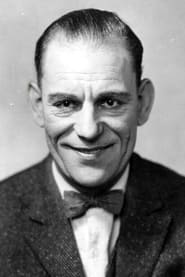
Although The Scarlet Car is not among the best-known silent films, it is culturally significant as a surviving record of early 20th-century popular storytelling and of the themes that resonated with mass audiences in the 1910s. Its title and premise show how the automobile had already become a dramatic emblem in American culture, associated with both glamour and catastrophe. The film is also notable to historians because it preserves an early appearance by Lon Chaney and provides insight into Joseph De Grasse’s contribution to silent melodrama. For film scholarship, works like this help map the transition from short-form nickelodeon programming to more coherent feature narratives centered on moral dilemma and social consequence.
Making Of
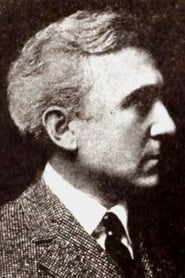
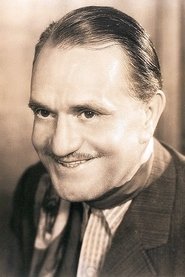
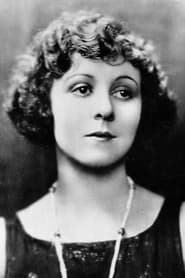
The Scarlet Car was produced in a period when Universal was building a dependable output of compact dramatic features, and Joseph De Grasse was one of the directors trusted to deliver polished, emotionally legible silent storytelling. Franklyn Farnum and Edith Johnson were among the reliable performers frequently seen in silent-era dramas, while Lon Chaney’s presence adds historical interest because this predates his later transformation into one of cinema’s greatest character actors. The film appears to have been mounted as a straightforward studio production rather than an especially lavish project, with emphasis placed on plot clarity, melodramatic tension, and concise visual staging. Surviving production commentary is scarce, so many specific behind-the-scenes details have been lost along with much of the primary documentation from the period.
Visual Style
Specific cinematographer credit and detailed shot-by-shot analysis are not reliably documented in the available information, but the film would have followed the visual conventions of mid-1910s silent drama. That typically meant static or lightly moving camera setups, clear stage-like blocking, intertitle-supported narrative exposition, and close attention to expressive gesture and framing. Joseph De Grasse’s films often favored straightforward, readable compositions that emphasized performance and plot clarity over experimental camerawork. The title suggests that the automobile sequence likely provided a visually dynamic centerpiece, even within the restrained visual vocabulary of the period.
Innovations
The film does not appear to be associated with any major technical innovation, but it is representative of the technical standards of 1917 feature production. Its notable achievement lies in the effective use of silent-era visual narration to sustain a financial melodrama over multiple reels. The use of an automobile as a central story element reflects cinema’s increasing ability to integrate contemporary technology into dramatic action. For film historians, the significance is less in technical novelty than in how competently it embodies the mature silent feature style of the mid-1910s.
Music
As a silent film, The Scarlet Car had no synchronized recorded soundtrack. Musical accompaniment would have been supplied live by theaters, ranging from a lone pianist to small ensembles depending on the venue and budget. No original studio-composed score is widely documented for the film. Any modern screenings would typically use newly compiled silent-film accompaniment or archival piano/ensemble music chosen by the presenter.
Famous Quotes
No synchronized spoken dialogue survives because The Scarlet Car is a silent film.
Any exact intertitles from the original release are not reliably preserved in the available record.
Memorable Scenes
- The dramatic revelation that Cyrus and Ernest Peabody have lost $35,000 of the bank’s money through speculation.
- The appearance and use of the scarlet car as a visual emblem of speed, modernity, and danger.
- Paul Revere Forbes’s moral crisis as he weighs loyalty to the Peabody family against his responsibility to the bank.
- The tense sequence in which the financial scandal threatens to become public and devastate multiple lives.
- The film’s resolution, which likely emphasizes sacrifice and ethical redemption in the silent melodrama tradition.
Did You Know?
- The film is an early silent drama from Universal, produced before the studio’s later consolidation into a major feature powerhouse.
- Lon Chaney appears in the cast, making the film of interest to admirers of his pre-fame work during the 1910s.
- The title car is a narrative device tied to the era’s fascination with automobiles as symbols of modernity, mobility, and danger.
- The story centers on a bank fraud plot, a common subject in early cinema because it allowed for moral conflict without requiring elaborate settings.
- Joseph De Grasse frequently worked in the melodrama and crime-drama mode, and this film fits squarely within that part of his career.
- The film’s plot premise reflects a common silent-era theme: the conflict between family loyalty and ethical duty.
- Because it is a 1917 feature, the film belongs to the transitional period when feature-length storytelling was becoming standard in American cinema.
- The film is often referenced in filmographies of Lon Chaney and Joseph De Grasse rather than discussed as a widely screened standalone title, which is typical of many surviving records from the silent era.
- The production is part of a period when Universal adapted stage, magazine, and popular-fiction material into compact dramatic features for the expanding moviegoing public.
- Like many silent films of the era, its original musical accompaniment would have depended on the exhibitor rather than a fixed studio score.
What Critics Said
Contemporary critical reception is not widely documented in accessible modern sources, and surviving reviews are difficult to locate in comprehensive form. As with many silent-era Universal features, the film likely received notice primarily as a solid commercial melodrama rather than as an artistic landmark. Modern appraisal tends to be archival and historical rather than critical in the contemporary sense: interest lies in the cast, the director, and the film’s place within early feature production. Because the film is obscure today and likely lost or only incompletely preserved, it is not part of the mainstream canon of reviewed silent classics.
What Audiences Thought
Audience reception is not well documented, but the film was made for the broad silent-film public that regularly attended neighborhood and downtown theaters in the 1910s. Its combination of bank intrigue, moral tension, and automobile-centered drama would have aligned well with popular tastes of the period. Titles like this generally depended on the appeal of recognizable stars, brisk plotting, and emotionally direct scenarios rather than critical prestige. The presence of Lon Chaney may not yet have been a major box-office draw in 1917, but it adds retrospective appeal for modern audiences and collectors interested in early career appearances.
Film Connections
Influenced By
- Popular melodramatic stage and fiction traditions of the early 20th century
- Silent-era social dramas about business, money, and honor
- Contemporary fascination with automobiles and modern urban life
This Film Influenced
- Later silent melodramas centered on banking scandals and moral sacrifice
- Early automobile thrillers and social dramas
You Might Also Like
More Drama Films
View allMore from Joseph De Grasse
View allFilm Restoration
The film is regarded as lost or not known to survive in complete form, with no widely accessible complete print documented in major public circulation. Like many silent Universal titles from the 1910s, it appears to exist primarily through catalog records, cast listings, and historical references rather than in routine screening copies. If any material survives, it is not commonly reported as a complete restoration in current public databases. Its preservation status should therefore be treated as uncertain-to-lost unless new archival evidence emerges.