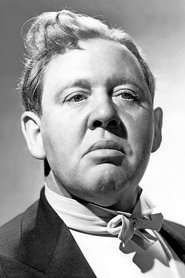
Charles Laughton
Actor
Born: July 1, 1899 in Scarborough, North Riding of Yorkshire, England Died: December 15, 1962 Active: 1928-1962
Films
2 films
About Charles Laughton
Charles Laughton was born on July 1, 1899, in Scarborough, North Riding of Yorkshire, England, and emerged as distinctive character actors of Hollywood's Golden Age. After training at the Royal Academy of Dramatic Art and beginning his career on the London stage, Laughton transitioned to film and achieved international acclaim with his Oscar-winning performance as King Henry VIII in 'The Private Life of Henry VIII' (1933). Throughout the 1930s and 1940s, he delivered unforgettable performances in films like 'Mutiny on the Bounty' (1935), 'The Hunchback of Notre Dame' (1939), and 'The Big Clock' (1948), becoming known for his complete physical and psychological transformations into diverse characters. Beyond his acting career, Laughton ventured into directing, creating the masterpiece 'The Night of the Hunter' (1955), which though initially a commercial failure, is now the greatest American films. He continued performing in both film and theater until his death from cancer on December 15, 1962, leaving behind a legacy as one of cinema's most versatile and compelling actors.
The Craft
On Screen
Laughton was renowned for his transformative character acting, often completely immersing himself in roles through dramatic physical transformation and deep psychological exploration. His approach combined classical British theater training with a highly emotional, sometimes grotesque physicality that made his characters unforgettable. He possessed a remarkable ability to convey complex emotions through his expressive face and distinctive voice, often playing characters who were tormented, misunderstood, or morally ambiguous. Laughton's method involved extensive research and preparation, sometimes spending months studying historical figures before portraying them on screen.
Milestones
- Academy Award for Best Actor (The Private Life of Henry VIII, 1933)
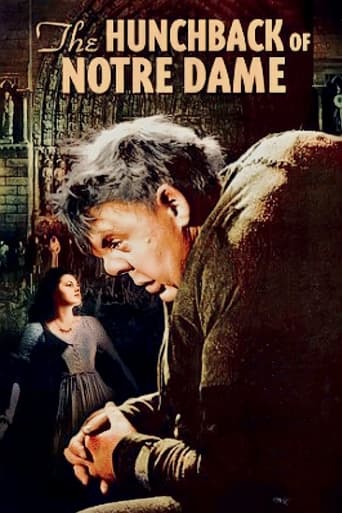
- Iconic performance as Quasimodo in The Hunchback of Notre Dame (1939)
- Directorial masterpiece The Night of the Hunter (1955)
- Successful Broadway and West End stage career
- Acclaimed performance in Witness for the Prosecution (1957)
- Marriage and professional partnership with Elsa Lanchester
Best Known For
Iconic Roles
Must-See Films
Accolades
Won
- Academy Award for Best Actor (The Private Life of Henry VIII, 1933)
- New York Film Critics Circle Award for Best Actor (The Hunchback of Notre Dame, 1939)
- Volpi Cup for Best Actor (The Private Life of Henry VIII, 1933)
- National Board of Review Award for Best Acting (Mutiny on the Bounty, 1935)
Nominated
- Academy Award nomination for Best Actor (Mutiny on the Bounty, 1935)
- Academy Award nomination for Best Actor (Witness for the Prosecution, 1957)
- Golden Globe nomination for Best Actor (Witness for the Prosecution, 1958)
- BAFTA nomination for Best Foreign Actor (Witness for the Prosecution, 1958)
Special Recognition
- Hollywood Walk of Fame star (6201 Hollywood Blvd)
- AFI's Greatest Screen Legends ranking
- National Film Registry induction (The Night of the Hunter, 1992)
- British Film Institute's Greatest British Films ranking (The Night of the Hunter)
Working Relationships
Worked Often With
Studios
Why They Matter
Impact on Culture
Charles Laughton revolutionized character acting in cinema, demonstrating that physical transformation and psychological depth could create unforgettable screen performances that transcended traditional leading roles. His portrayal of historical figures like Henry VIII established a new standard for biographical acting that influenced generations of performers. As one of the few openly bisexual actors of his era (though not publicly acknowledged during his lifetime), he navigated Hollywood's restrictive moral codes while maintaining artistic integrity. His directorial work on The Night of the Hunter, initially misunderstood by contemporary audiences, has since been recognized as a masterpiece that influenced countless filmmakers with its expressionistic visual style and psychological depth.
Lasting Legacy
Laughton's legacy endures through his transformative performances that continue to be studied by actors and film scholars worldwide. His ability to completely inhabit diverse characters, from monarchs to monsters, set a benchmark for character acting that few have matched. The Night of the Hunter is now regarded as one of the greatest American films ever made, showcasing his visionary directorial talent and artistic courage. His marriage to Elsa Lanchester represented one of Hollywood's most fascinating personal and professional partnerships, demonstrating how two artists could support each other's careers while maintaining their individual identities. Laughton's influence extends beyond film to theater, where his Shakespearean performances set new standards for classical acting.
Who They Inspired
Laughton influenced generations of character actors through his commitment to physical and emotional transformation, inspiring performers like Daniel Day-Lewis, Gary Oldman, and Philip Seymour Hoffman. His approach to historical characters revolutionized biographical acting, while his willingness to take risks with unconventional roles paved the way for future actors to challenge traditional leading man stereotypes. Directors such as David Lynch, Terrence Malick, and the Coen Brothers have cited The Night of the Hunter as a major influence on their visual style and narrative approach. His teaching at USC in his later years directly influenced a new generation of actors, including students who would become prominent in Hollywood.
Off Screen
Laughton married actress Elsa Lanchester in 1929, and they remained together until his death in 1962, forming one of Hollywood's most enduring partnerships. Their marriage was reportedly platonic and more of a professional and personal alliance than a conventional romantic relationship. Both were bisexual, though this was not publicly acknowledged during their lifetimes due to Hollywood's strict moral codes. Laughton was known to be intensely private off-screen, contrasting sharply with his flamboyant on-screen persona. He was an avid reader and collector of rare books, with a particular interest in Shakespeare and 18th-century literature.
Education
Family
- Elsa Lanchester (1929-1962)
Did You Know?
- Despite his British origins, Laughton became an American citizen in 1950
- He was terrified of performing on stage but overcame this fear to become a celebrated theater actor
- Laughton's performance as Quasimodo required 4-5 hours of makeup application daily
- He turned down the role of Professor Henry Higgins in My Fair Lady on Broadway
- The Night of the Hunter was his only directorial feature film
- He was a gifted painter and considered becoming an artist before choosing acting
- Laughton was known for his extensive collection of rare books and manuscripts
- He was a close friend of playwright Noël Coward
- Despite his flamboyant screen persona, Laughton was actually quite shy in real life
- He taught acting classes at USC in his later years
- Laughton could speak fluent French and German
- He was a passionate advocate for civil rights and supported the NAACP
In Their Own Words
I have a face like the behind of an elephant.
Actors are the only honest hypocrites.
I prefer to play characters who are outside the normal range of human experience.
The camera is a marvelous instrument, but it's a liar.
I'm not a movie star. I'm an actor.
The secret of acting is sincerity. If you can fake that, you've got it made.
Frequently Asked Questions
Who was Charles Laughton?
British-American actor and on YTB.my. He won an Academy Award for his role in The Private Life of Henry VIII and delivered iconic performances in films like Mutiny on the Bounty and The Hunchback of Notre Dame.
What films is Charles Laughton best known for?
Titles linked here include The Private Life of Henry VIII (1933), Mutiny on the Bounty (1935).
When was Charles Laughton born and when did he die?
Born July 1, 1899; died December 15, 1962.
What awards did Charles Laughton win?
Laughton won the Academy Award for Best Actor for The Private Life of Henry VIII (1933), the New York Film Critics Circle Award for The Hunchback of Notre Dame (1939), and the Venice Film Festival's Volpi Cup for Best Actor. He received multiple Oscar nominations throughout his career.
What was Charles Laughton's acting style?
Laughton was known for his transformative character acting, combining physical transformation with deep psychological immersion in his roles. He brought theatrical intensity to film performances, using his expressive face and distinctive voice to create complex, often tormented characters.
Did Charles Laughton direct any films?
Yes, Laughton directed one feature film, The Night of the Hunter (1955), which is now considered a masterpiece of American cinema. Though initially a commercial failure, the film has been recognized for its innovative visual style and influence on subsequent filmmakers.
Was Charles Laughton married?
Yes, Laughton was married to actress Elsa Lanchester from 1929 until his death in 1962. Their marriage was one of Hollywood's most enduring partnerships, though it was reportedly platonic and more of a professional and personal alliance.