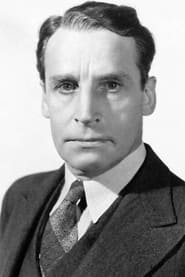
Henry Daniell
Actor
Born: March 5, 1894 in London, England Died: October 31, 1963 Active: 1929-1963 Birth Name: Charles Henry Daniell
Films
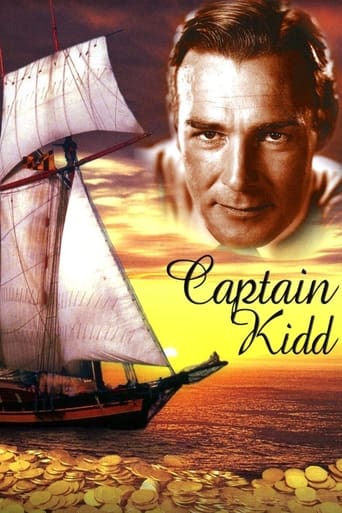
2 films
About Henry Daniell
British character actor: over four decades, from the silent era through the Golden Age of Hollywood. Born in London in 1894, he began his career on the British stage before transitioning to films in the late 1920s. Daniell established himself as one of Hollywood's most reliable and sophisticated villains, known for his aristocratic bearing, cold demeanor, and distinctive, cultured voice. Henry appears in over 80 films, often portraying cunning antagonists, noblemen, or authority figures with menacing undertones. His most memorable roles include Professor Moriarty in the Sherlock Holmes series, alongside Basil Rathbone, and appearances in classics such as 'Camille' (1936), 'The Great Dictator' (1940), and 'The Sea Hawk' (1940). Despite never achieving leading man status, Daniell's presence elevated countless films, and he became a favorite of directors for his ability to convey menace with subtlety and intelligence. His career continued steadily through the 1950s, with appearances in television and film until his death in 1963.
The Craft
On Screen
Daniell was renowned for his refined, aristocratic acting style characterized by precise diction, cold delivery, and an air of intellectual menace. He specialized in playing sophisticated villains who relied on wit and cunning rather than brute force, often using his distinctive, cultured voice to create an unsettling sense of menace. His technique was rooted in classical training, bringing theatrical gravitas to his film roles with minimal but impactful gestures and piercing gazes that could convey volumes without dialogue.
Milestones
- Stage debut in London's West End (1913)
- First film appearance in 'The Awful Truth' (1929)
- Breakthrough role in 'Camille' (1936)
- Iconic portrayal of Professor Moriarty in Sherlock Holmes series
- Memorable villain in 'The Sea Hawk' (1940)
- Appearance in Chaplin's 'The Great Dictator' (1940)
- Final film role in 'The Cardinal' (1963)
Best Known For
Iconic Roles
Must-See Films
Accolades
Special Recognition
- Hollywood Walk of Fame star (located at 6621 Hollywood Blvd)
Working Relationships
Worked Often With
Studios
Why They Matter
Impact on Culture
Henry Daniell helped shape Hollywood's portrayal of cinematic villains, establishing the archetype of the sophisticated, intellectual antagonist. His refined approach to villainy influenced generations of character actors, proving that menace could be conveyed through intelligence and cold calculation rather than overt physical threats. Daniell's work in the Sherlock Holmes series helped define the visual and behavioral template for Professor Moriarty that persists in popular culture. His ability to elevate any production with his presence made him a valuable supporting player who could provide instant gravitas and conflict, contributing significantly to the quality of Golden Age Hollywood films.
Lasting Legacy
Henry Daniell's legacy endures through his extensive body of work, particularly his definitive portrayal of Professor Moriarty opposite Basil Rathbone's Sherlock Holmes. He represents the pinnacle of the British character actor tradition in Hollywood, bringing theatrical sophistication to film performances. His distinctive voice and menacing presence have made him a favorite among classic film enthusiasts, and his performances continue to be studied for their technical precision and psychological depth. Daniell's career shows the importance of character actors in creating memorable cinema, proving that supporting roles can be as impactful as leads when portrayed with skill and dedication.
Who They Inspired
Daniell influenced subsequent generations of character actors, particularly those specializing in villainous roles. His technique of conveying menace through subtle gestures and vocal modulation rather than overt theatrics became a model for sophisticated antagonists in film. His success as a British actor in Hollywood helped pave the way for other British performers to find success in American cinema, particularly in character roles. Many actors who later played Moriarty or similar intellectual villains have cited Daniell's performance as a reference point, and his work continues to influence how such characters are portrayed in modern adaptations.
Off Screen
Henry Daniell married twice during his lifetime. His first marriage was to Ann Knox, which ended in divorce. He later married Katherine Mock, who survived him. Despite his prolific career and menacing screen persona, Daniell was known in Hollywood circles as a gentle, cultured, and well-read gentleman who enjoyed literature and classical music. He never had children and maintained a relatively private personal life away from the spotlight.
Education
Studied at St. Paul's School in London, received classical training in theater and Shakespearean performance
Family
- Ann Knox (1927-1933, divorced)
- Katherine Mock (1943-1963, his death)
Did You Know?
- Despite playing villains, he was known as a kind and gentle person off-screen
- His distinctive voice made him a popular choice for radio dramas
- He served in the British Army during World War I
- Was a skilled Shakespearean actor before transitioning to films
- Often played characters who met violent deaths on screen
- Was typecast so effectively as a villain that he rarely played heroic roles
- His death scene in 'The Sea Hawk' (1940) is considered one of cinema's most memorable villain deaths
- Appeared in three different Sherlock Holmes film series
- Was a favorite of director Michael Curtiz, who cast him in multiple films
- Despite his British background, he became an American citizen
- His final film appearance was in 'The Cardinal' (1963), released shortly after his death
In Their Own Words
As Professor Moriarty: 'I am the brain, Mr. Holmes. The brain. And the brain must direct the hand.'
Regarding typecasting: 'One gets rather tired of being the villain, but it pays the rent.'
On acting: 'The secret to playing a villain is to find something in him that even he believes is justified.'
Frequently Asked Questions
Who was Henry Daniell?
British character with credits in this catalog. With his aristocratic bearing, distinctive voice, and cold demeanor, he became one of cinema's most memorable antagonists, appearing in over 80 films from the 1920s through the 1960s.
What films is Henry Daniell best known for?
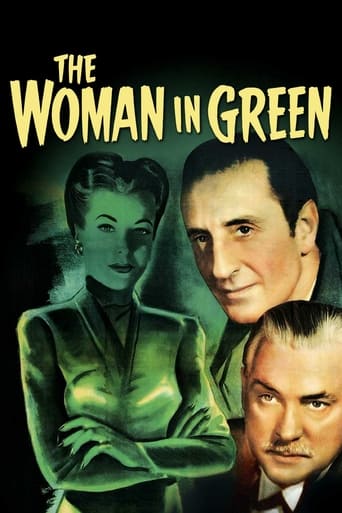
Titles linked here include The Woman in Green (1944), Camille (1936).
When was Henry Daniell born and when did he die?
Born March 5, 1894; died October 31, 1963.
What awards did Henry Daniell win?
While Henry Daniell never received major film awards or Oscar nominations, he was honored with a star on the Hollywood Walk of Fame for his contributions to cinema, located at 6621 Hollywood Boulevard.
What was Henry Daniell's acting style?
Daniell was known for his refined, aristocratic acting style characterized by precise diction, cold delivery, and intellectual menace. Rooted in classical training, he specialized in sophisticated villains who relied on wit and cunning rather than physical threats, using his distinctive voice and minimal gestures to create unsettling presence.