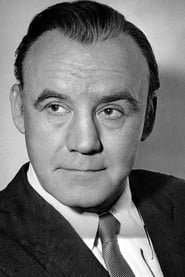
Torin Thatcher
Actor
Born: January 15, 1902 in London, England Died: March 4, 1981 Active: 1927-1977 Birth Name: Torin Herbert Erskine Thatcher
Films
1 film
About Torin Thatcher
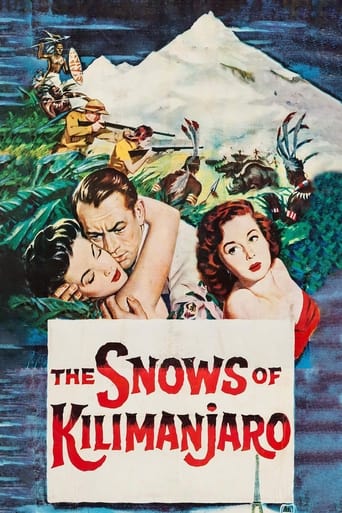
British character actor: imposing presence and commanding voice made him a memorable figure in both Hollywood and British cinema. Born in London in 1902, he began his career on the stage before transitioning to films in the 1930s. Thatcher specialized in portraying villains, authority figures, and aristocratic characters, often using his 6'2" frame and distinctive features to create memorable antagonists. His breakthrough came in the 1940s when he began appearing in major Hollywood productions, often typecast as the sophisticated villain. Throughout his career, he appeared in over 50 films, working alongside stars like Gregory Peck, Ava Gardner, and Humphrey Bogart. Thatcher's performance in 'The Snows of Kilimanjaro' (1952) as the cynical Uncle Bill was one of his most notable roles, showcasing his ability to convey complex emotions with subtle intensity. He continued acting well into the 1970s, appearing in television series and maintaining his reputation as one of cinema's most reliable character actors.
The Craft
On Screen
Thatcher was known for his commanding presence and authoritative delivery, often bringing gravitas and sophistication to villainous roles. His acting style was rooted in classical theater training, emphasizing precise diction and controlled emotions. He excelled at playing cold, calculating antagonists with an underlying sense of menace, using his height and intense gaze to create intimidating characters. Thatcher's approach was subtle yet powerful, relying on nuanced facial expressions and measured delivery rather than overt theatrics.
Milestones
- Stage debut in 1927
- First film appearance in 1937
- Breakthrough role in 'The House of the Seven Gables' (1940)
- Memorable performance in 'The Snows of Kilimanjaro' (1952)
- Starred as Long John Silver in 'Treasure Island' (1960) TV series
- Final film appearance in 'The Great Gatsby' (1974)
Best Known For
Iconic Roles
Must-See Films
Accolades
Special Recognition
- Hollywood Walk of Fame star (located at 6320 Hollywood Boulevard)
Working Relationships
Worked Often With
Studios
Why They Matter
Impact on Culture
Torin Thatcher significantly influenced the archetype of the sophisticated villain in Golden Age Hollywood cinema. His ability to portray intelligent, menacing antagonists helped establish the standard for character actors playing villainous roles during the 1940s and 1950s. Thatcher's performances demonstrated that villains could be complex, multi-dimensional characters rather than one-dimensional evildoers, influencing how screenwriters and directors approached antagonist development. His work in fantasy films like 'The Seventh Voyage of Sinbad' helped establish conventions for portraying magical antagonists that would influence the genre for decades.
Lasting Legacy
Torin Thatcher's legacy endures through his extensive body of work that continues to be celebrated by classic film enthusiasts. He represents the golden era of character actors who provided essential support to leading stars while creating memorable performances in their own right. Thatcher's influence can be seen in subsequent generations of character actors who specialize in villainous or authoritative roles. His performances are frequently cited in film studies as examples of how to create compelling antagonists through subtlety and intelligence rather than overt theatrics. The diversity of his roles, from historical dramas to fantasy adventures, showcases the versatility that made him a valuable asset to the film industry.
Who They Inspired
Thatcher's approach to playing villains influenced many subsequent character actors, particularly in how he brought intelligence and sophistication to antagonist roles. His work in fantasy films helped establish templates for portraying magical and mythological characters that influenced actors like Christopher Lee and Ian McKellen. Younger British actors in Hollywood often studied Thatcher's technique for maintaining their British identity while succeeding in American productions. His ability to transition between stage and screen influenced actors who sought to maintain classical training while working in film.
Off Screen
Torin Thatcher married twice during his lifetime. His first marriage was to actress Margaretta Scott in 1934, but they divorced in 1948. In 1950, he married Rosemary Fowler, with whom he remained until his death. Thatcher was known for being a private person who preferred to keep his personal life out of the public eye. Despite his villainous screen persona, colleagues described him as a gentleman off-screen with a dry wit and scholarly interests. He was an avid reader and maintained a extensive library throughout his life.
Education
Educated at Bedford School and later attended the Royal Academy of Dramatic Art (RADA) where he received classical theater training.
Family
- Margaretta Scott (1934-1948)
- Rosemary Fowler (1950-1981)
Did You Know?
- Despite being typecast as villains, Thatcher was actually known for his gentle and scholarly nature off-screen
- He served in the Royal Air Force during World War II before returning to acting
- Thatcher — accomplished stage actor who performed with the Royal Shakespeare Company early in his career
- He was originally considered for the role of Professor Moriarty in 'The Adventures of Sherlock Holmes' (1939)
- Thatcher was fluent in several languages including French and German
- He often played characters older than his actual age due to his mature appearance
- Thatcher's distinctive voice led to numerous radio drama performances throughout his career
- He turned down several leading man roles early in his career, preferring character parts
- Thatcher — accomplished fencer and performed his own sword fights in several films
- He maintained a lifelong friendship with fellow British character actor Basil Rathbone
In Their Own Words
A villain is just a hero who has been misunderstood by the writer
The camera is a merciless instrument - it catches everything, especially when you're trying to hide something
Playing the heavy is easy - anyone can be evil. Making them believable is the challenge
I never minded being typecast. It meant steady work and the chance to perfect my craft
The best villains are those who believe they are the heroes of their own story
Frequently Asked Questions
Who was Torin Thatcher?
British character with credits in this catalog. He appeared in over 50 films and was particularly memorable for his sophisticated, menacing performances in classics like 'The Snows of Kilimanjaro' and 'The Seventh Voyage of Sinbad'.
What films is Torin Thatcher best known for?
Titles linked here include The Snows of Kilimanjaro (1952), The Seventh Voyage of Sinbad (1958).
When was Torin Thatcher born and when did he die?
Born January 15, 1902; died March 4, 1981.
What awards did Torin Thatcher win?
While Thatcher did not receive major acting awards or Academy Award nominations during his career, he was honored with a star on the Hollywood Walk of Fame at 6320 Hollywood Boulevard for his contributions to the film industry. His legacy lies in his memorable performances rather than formal accolades.
What was Torin Thatcher's acting style?
Thatcher's acting style was characterized by classical theater training, precise diction, and controlled emotional delivery. He specialized in creating sophisticated, intelligent villains through subtle expressions and measured performances rather than overt theatrics, using his imposing 6'2" frame and intense gaze to create memorable antagonists.
Did Torin Thatcher serve in the military?
Yes, Torin Thatcher served in the Royal Air Force during World War II, putting his acting career on hold to serve his country. After the war, he returned to acting and continued building his successful career in both British and American films.
What was Torin Thatcher's background before acting?
Before his acting career, Thatcher received his education at Bedford School and later trained at the Royal Academy of Dramatic Art (RADA). He began his career on the stage in 1927, performing with various theater companies including the Royal Shakespeare Company before transitioning to films in the late 1930s.