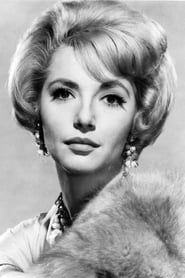
Ruta Lee
Actor
Born: May 30, 1936 in Montreal, Quebec, Canada Active: 1954-present Birth Name: Ruta Mary Kilmonis
Films
1 film
About Ruta Lee
Ruta Lee is a Canadian-American actress whose career spans over six decades in film, television, and theater. Born Ruta Mary Kilmonis in Montreal, Quebec, she moved to Los Angeles with her family as a child and began pursuing acting while still in high school. Her breakthrough came with a role in the musical 'Seven Brides for Seven Brothers' (1954), which launched her career during Hollywood's Golden Age. Throughout the 1950s and 1960s, she appeared in numerous films including 'Witness for the Prosecution' (1957) alongside Charles Laughton and Marlene Dietrich, 'Funny Face' (1957) with Fred Astaire and Audrey Hepburn, and 'The Big Combo' (1955). Lee transitioned successfully to television, becoming a familiar face on game shows like 'High Rollers' and 'The Match Game,' where her quick wit and engaging personality made her a favorite among audiences. She has also been actively involved in charitable work, particularly with the Thalians organization, supporting mental health causes. Despite being typecast early in her career as the 'other woman' or femme fatale, Lee's versatility allowed her to work consistently across different media formats well into the 21st century.
The Craft
On Screen
Ruta Lee developed a versatile acting style that evolved from her early typecasting as femme fatales and 'other women' to more comedic and character roles. Her approach combined classic Hollywood glamour with a natural, accessible screen presence that translated well to television. Lee excelled at both dramatic roles, showcasing tension and vulnerability in film noir settings, and comedic timing in lighter fare. Her stage training provided her with a strong foundation in projection and character development, while her television appearances demonstrated her ability to connect with live audiences and improvise effectively.
Milestones
- Breakthrough role in 'Seven Brides for Seven Brothers' (1954)
- Supporting role in 'Witness for the Prosecution' (1957)
- Regular appearances on game shows including 'High Rollers' and 'The Match Game'
- Long-running stage career including Broadway productions
- Philanthropic work with the Thalians organization
- Over 200 television guest appearances
- Received Star on Hollywood Walk of Fame in 1995
Best Known For
Iconic Roles
Must-See Films
Accolades
Won
- Hollywood Walk of Fame Star (1995)
- Golden Boot Award (2003)
- Thalians Humanitarian Award
Nominated
- TV Land Award for Favorite Game Show Panelist (2006)
Special Recognition
- Star on Hollywood Walk of Fame at 7083 Hollywood Blvd
- Honorary Chairperson of the Thalians
- Lifetime Achievement Award from the Pacific Pioneer Broadcasters
Working Relationships
Worked Often With
Studios
Why They Matter
Impact on Culture
Ruta Lee represents the transition from Hollywood's Golden Age to television's dominance, successfully navigating both mediums. Her game show appearances in the 1970s and 1980s helped define the genre and made her a household name to a new generation of viewers. As one of the few actresses to maintain a steady career across multiple decades, she demonstrated remarkable adaptability in an industry known for its fleeting fame. Lee's work with the Thalians organization helped bring attention to mental health issues in Hollywood at a time when such topics were often taboo. Her longevity and continued presence in entertainment have made her a cultural touchstone for fans of classic Hollywood and television nostalgia.
Lasting Legacy
Ruta Lee's legacy encompasses her contributions to film, television, and philanthropy. She is remembered as one of Hollywood's most reliable character actresses who could seamlessly transition between dramatic and comedic roles. Her extensive work in game shows has preserved her image in television archives, ensuring that new generations continue to discover her performances. The Thalians organization, which she has long supported, continues to provide mental health services, cementing her humanitarian legacy. Lee represents the archetype of the working actress who maintained relevance through talent, professionalism, and adaptability rather than superstardom.
Who They Inspired
Ruta Lee influenced subsequent generations of performers by demonstrating the viability of a multi-faceted entertainment career. Her success in game shows showed that established film actors could find new audiences in television. Her ability to maintain a steady career without becoming a major star provided a model for character actors seeking longevity in the industry. Through her mentorship work and public speaking, she has directly influenced young performers entering the entertainment business. Lee's career trajectory has shown that versatility and professionalism can sustain an acting career far beyond the typical Hollywood expiration date.
Off Screen
Ruta Lee has been married twice, first to actor Mort Sahl from 1960 to 1961, and later to Texas oilman Webster B. 'Webb' Lowe Jr. From 1976 until his death in 2020. She has no biological children but has been actively involved in mentoring young performers and supporting charitable causes. Lee is known for her deep Catholic faith and has been involved with various charitable organizations throughout her career. She has been a longtime resident of Beverly Hills and maintains an active social life within the Hollywood community.
Education
Graduated from Los Angeles City College; studied at the Actors Lab in Hollywood
Family
- Mort Sahl (1960-1961)
- Webster B. 'Webb' Lowe Jr. (1976-2020)
Did You Know?
- Her birth name Ruta is Lithuanian, reflecting her family's heritage
- She was discovered while working as a carhop at a drive-in restaurant
- Appeared in over 200 television shows throughout her career
- Was a regular panelist on 'High Rollers' for over 1,000 episodes
- Her godfather was Hollywood columnist Louella Parsons
- She is fluent in French and English
- Was a close friend of Lucille Ball
- Has appeared in every decade from the 1950s through the 2020s
- Her Hollywood Walk of Fame star was sponsored by her fans
- She once worked as a secretary for the U.S. Army during the Korean War
In Their Own Words
I've never been a star, but I've always been a working actress, and that's what matters to me.
Game shows were the reality television of their day - they showed real people reacting in real situations.
The Thalians taught me that giving back is as important as the work you do on screen.
Hollywood has changed so much, but the need for good storytelling remains the same.
I've been lucky to work in every medium - film, television, stage - and each has taught me something different about my craft.
Frequently Asked Questions
Who was Ruta Lee?
Ruta Lee is a Canadian-American actress with a career spanning over six decades, known for her work in films like 'Seven Brides for Seven Brothers' and 'Witness for the Prosecution,' as well as extensive television appearances and game show participation.
What films is Ruta Lee best known for?
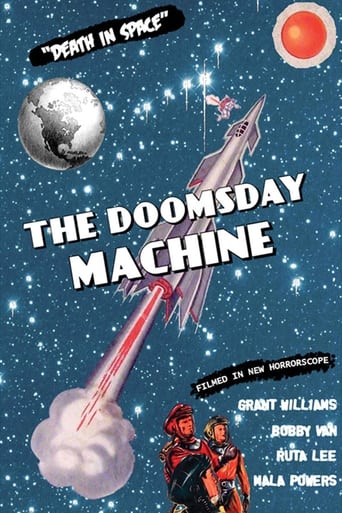
Ruta Lee is best known for 'Seven Brides for Seven Brothers' (1954), 'Witness for the Prosecution' (1957), 'Funny Face' (1957), 'The Big Combo' (1955), and 'Doomsday Machine' (1972).
When was Ruta Lee born and when did she die?
Ruta Lee was born on May 30, 1936, in Montreal, Quebec, Canada. She is still alive as of 2024.
What awards did Ruta Lee win?
Ruta Lee received a star on the Hollywood Walk of Fame in 1995, the Golden Boot Award in 2003, and the Thalians Humanitarian Award for her charitable work.
What was Ruta Lee's acting style?
Ruta Lee's acting style combined classic Hollywood glamour with natural accessibility, excelling in both dramatic roles as femme fatales and comedic parts, with strong character development and improvisational skills honed through stage training and television work.
Was Ruta Lee married?
Ruta Lee was married twice - first to comedian Mort Sahl from 1960 to 1961, and later to Texas oilman Webster B. 'Webb' Lowe Jr. From 1976 until his death in 2020.
What is Ruta Lee's connection to game shows?
Ruta Lee became a popular game show personality, serving as a regular panelist on 'High Rollers' for over 1,000 episodes and frequently appearing on 'The Match Game' and other game shows throughout the 1970s and 1980s.