Films
1 film
About Mayumi Tsukiji
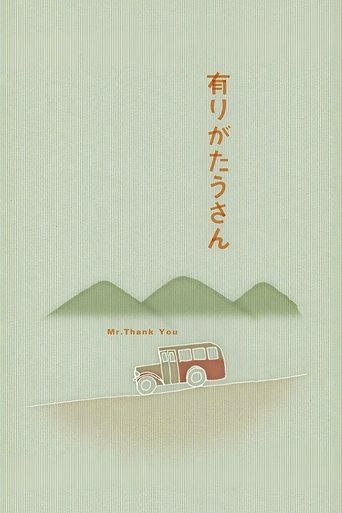
This archive lists one role for Mayumi Tsukiji: Mr (1936). Thank You. Her known filmography consists primarily of her role in Yasujiro Ozu's 1936 film 'Mr. Thank You' (Arigatou-san), which places her career during a transitional period in Japanese film history. The 1930s was a decade when Japanese cinema was establishing its unique voice, with directors like Ozu beginning to develop their distinctive styles. Tsukiji's appearance in 'Mr. Thank You' aligns with the shomin-geki genre, which focused on the lives of ordinary Japanese people. Given the limited documentation of her career, she was likely either a supporting actress or someone who had a brief tenure in the film industry. Her work during this period contributes to the broader tapestry of Japanese cinema's golden age, even if her individual career was not extensively documented.
The Craft
Milestones
- Appeared in Yasujiro Ozu's 'Mr. Thank You' (1936)
Best Known For
Iconic Roles
Must-See Films
Working Relationships
Worked Often With
Studios
Why They Matter
Impact on Culture
Mayumi Tsukiji represents the many actors who contributed to Japanese cinema's development during the 1930s but whose individual stories were not extensively documented. Her participation in 'Mr. Thank You' places her within the context of Yasujiro Ozu's early career, a period when the director was refining his approach to depicting Japanese society. The film itself is significant as an example of the shomin-geki genre and Ozu's evolving cinematic style. While Tsukiji's individual impact may not be widely recognized, she is part of the collective effort that established Japanese cinema as a significant artistic force during this era.
Lasting Legacy
Mayumi Tsukiji's legacy is primarily preserved through her appearance in 'Mr. Thank You,' a film that has survived as an important example of 1930s Japanese cinema. Like many actors from this period who had limited filmographies, her contribution serves as a reminder of the numerous artists who participated in creating Japan's rich cinematic heritage, even if their individual stories remain largely undocumented. Her work helps illustrate the collaborative nature of filmmaking during Japan's golden age of cinema.
Who They Inspired
Due to the limited documentation of her career, specific information about Mayumi Tsukiji's influence on other actors or filmmakers is not available. However, her participation in Ozu's work places her within the influential ecosystem of early Japanese sound cinema, which would go on to influence filmmakers worldwide.
Off Screen
Very little documented information is available about Mayumi Tsukiji's personal life, which was common for many supporting actors of 1930s Japanese cinema whose careers were brief or limited in scope.
Did You Know?
- 'Mr. Thank You' (1936) was directed by renowned Japanese filmmaker Yasujiro Ozu
- The film was produced by Shochiku Studios, one of Japan's major film companies
- The 1930s was a crucial period for Japanese cinema's transition to sound
- Many supporting actors from 1930s Japanese films have limited documented biographical information
- The film 'Mr. Thank You' is considered an important example of Ozu's early work
- Shomin-geki films like 'Mr. Thank You' focused on the lives of ordinary Japanese people
- Japanese cinema of the 1930s was developing its unique aesthetic distinct from Hollywood
- Many early Japanese films were lost during World War II, making surviving films like 'Mr. Thank You' particularly valuable
Frequently Asked Questions
Who was Mayumi Tsukiji?
Japanese actress active in the 1930s, known primarily for her appearance in Yasujiro Ozu's 1936 film 'Mr. Thank You'. Very little documented information exists about her career beyond this role, suggesting she may have had a brief tenure in the film industry.
What films is Mayumi Tsukiji best known for?
Titles linked here include Mr. Thank You (1936).
When was Mayumi Tsukiji born and when did she die?
Specific birth and death dates for Mayumi Tsukiji are not documented in available sources. She was active in Japanese cinema in 1936, placing her career during the early sound era of Japanese film.
What awards did Mayumi Tsukiji win?
There are no documented awards or nominations for Mayumi Tsukiji in available sources. This was common for many supporting actors of 1930s Japanese cinema, particularly those with limited filmographies.
What was Mayumi Tsukiji's acting style?
Specific details about Mayumi Tsukiji's acting style are not documented in available sources. Her work in 'Mr. Thank You' would have been influenced by the acting conventions of 1930s Japanese cinema and Ozu's directorial approach.
Did Mayumi Tsukiji work with other famous directors?
Mayumi Tsukiji's only documented collaboration is with Yasujiro Ozu on 'Mr. Thank You' (1936). Ozu would later become one of Japan's most acclaimed directors, making this collaboration historically significant despite the limited information about Tsukiji's role.
Why is there so little information about Mayumi Tsukiji?
The limited documentation about Mayumi Tsukiji is typical for many supporting actors from 1930s Japanese cinema, particularly those who had brief careers. Many records from this period were lost during World War II, and extensive biographical information was often only maintained for major stars.