Films
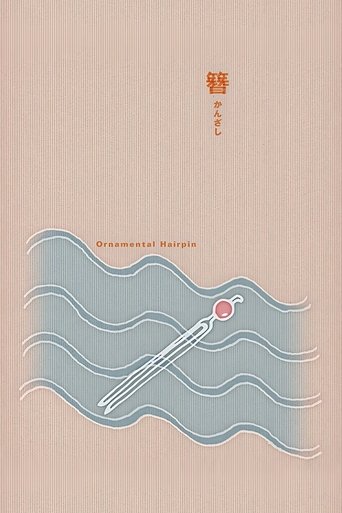
1 film
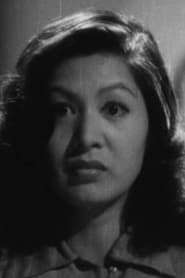
About Hideko Mimura
Hideko Mimura is credited on a single production — Ornamental Hairpin (1941). Her sole known film appearance was in Hiroshi Shimizu's acclaimed 'Ornamental Hairpin' (Kanzashi) in 1941, which is considered one of the masterpieces of Japanese cinema from that era. The film itself is a poignant drama set in a mountain hot spring resort, where Mimura played a supporting role alongside established stars like Kinuyo Tanaka and Ken Uehara. Her career appears to have been extremely brief, possibly consisting of just this one film, which was not uncommon for some actors in the Japanese studio system of the time. The film was highly regarded for its subtle humanism and technical mastery, characteristics that defined Shimizu's directorial approach. Unfortunately, detailed records about many supporting actors from this period in Japanese cinema are limited, making comprehensive biographical information scarce. Her brief appearance in this significant film represents her entire known contribution to cinema history.
The Craft
On Screen
No detailed information available about her specific acting style, though she worked within the naturalistic, understated performance style characteristic of Japanese cinema of the 1940s
Milestones
- Appeared in Hiroshi Shimizu's 'Ornamental Hairpin' (1941)
Best Known For
Iconic Roles
Must-See Films
Working Relationships
Worked Often With
Studios
Why They Matter
Impact on Culture
Hideko Mimura's cultural impact is primarily through her participation in 'Ornamental Hairpin,' a film that has endured as a significant work in the Japanese cinema canon. While her individual contribution was limited to a supporting role, the film itself represents the humanistic tradition in Japanese filmmaking that influenced generations of directors worldwide. The movie's preservation and continued study in film history courses means her work, however brief, remains part of the cultural heritage of classic Japanese cinema. Her appearance in this critically acclaimed work places her within the context of Japan's golden age of cinema, even if her personal legacy remains obscure.
Lasting Legacy
Hideko Mimura's legacy is tied almost exclusively to her single known film appearance in 'Ornamental Hairpin' (1941). While she did not achieve lasting fame as an individual performer, her contribution to this significant work of Japanese cinema ensures her place in film history. The film itself continues to be studied and appreciated by cinema scholars and enthusiasts, meaning her performance, however brief, is preserved as part of an important artistic achievement. Her case represents the many supporting actors from classic cinema whose contributions, while not widely recognized individually, collectively helped create the enduring masterworks of their era.
Who They Inspired
Due to the brevity of her known career, there is no documented evidence of Hideko Mimura directly influencing other actors or filmmakers. Her influence exists only through her participation in 'Ornamental Hairpin,' a film that has inspired subsequent generations of filmmakers with its subtle humanism and technical mastery. The film's place in cinema history means her work contributes to the broader understanding and appreciation of Japanese cinema's golden age, even if her personal influence on the art form remains undocumented.
Off Screen
Very limited information is available about Hideko Mimura's personal life, which is not uncommon for supporting actors from this period of Japanese cinema where detailed records were often not maintained for performers with brief careers.
Did You Know?
- Her only known film appearance was in 'Ornamental Hairpin' (1941), directed by renowned filmmaker Hiroshi Shimizu
- The film she appeared in was produced by Shochiku Studios, one of Japan's oldest and most prestigious film companies
- 'Ornamental Hairpin' is considered a masterpiece of Japanese cinema and is frequently studied in film courses today
- Her active years covered what appears to be only one year, making her one of cinema's briefest documented careers
- The film she appeared in was released during World War II, a challenging period for Japanese filmmaking
- Despite the film's significance, detailed records about supporting actors like Mimura from this period are scarce
Frequently Asked Questions
Who was Hideko Mimura?
Japanese actress active in the early 1940s, known primarily for her appearance in the film 'Ornamental Hairpin' (1941). Her career appears to have been extremely brief, consisting of just this one known film credit.
What films is Hideko Mimura best known for?
Titles linked here include Ornamental Hairpin (1941).
When was Hideko Mimura born and when did she die?
Specific birth and death dates for Hideko Mimura are not documented in available historical records, which is not uncommon for supporting actors from this era of Japanese cinema.
What awards did Hideko Mimura win?
There are no documented awards or nominations for Hideko Mimura, which is consistent with her brief career as a supporting actress in a single film.
What was Hideko Mimura's acting style?
While specific details about her acting style are not documented, she worked within the naturalistic and understated performance tradition characteristic of Japanese cinema in the 1940s.
Who did Hideko Mimura work with?
Hideko Mimura worked with director Hiroshi Shimizu on 'Ornamental Hairpin' and appeared alongside established Japanese film stars including Kinuyo Tanaka and Ken Uehara.
Why is Hideko Mimura significant in cinema history?
Hideko Mimura's significance lies in her participation in 'Ornamental Hairpin,' a critically acclaimed film that represents an important work in the Japanese cinema canon, even though her individual career was brief.