Films
1 film
About Kinuko Wakamizu
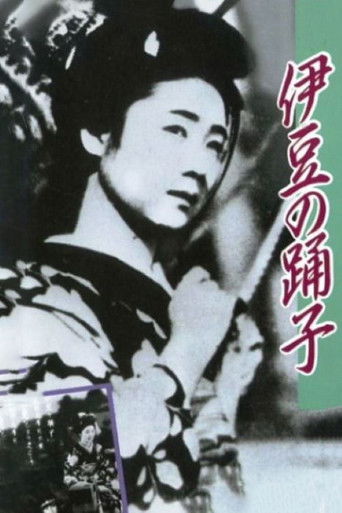
Kinuko Wakamizu is credited on a single production — The Dancing Girl of Izu (1933). Her known filmography consists of a single appearance in the 1933 film 'The Dancing Girl of Izu' (Izu no odoriko), which was one of the significant early sound films in Japanese cinema. The film, directed by Heinosuke Gosho and based on Yasunari Kawabata's acclaimed short story, was a landmark production that helped establish the sound film format in Japan. Wakamizu's career appears to have been extremely brief, with records showing her active only in 1933. Like many supporting actors from early Japanese cinema, detailed records of her life and career are scarce, reflecting the limited documentation practices of the era and the challenges of preserving film history from this period.
The Craft
Milestones
- Appeared in 'The Dancing Girl of Izu' (1933), one of Japan's early significant sound films
Best Known For
Must-See Films
Working Relationships
Worked Often With
Why They Matter
Impact on Culture
Kinuko Wakamizu's contribution to cinema, while limited to a single known film, is part of the broader historical significance of early Japanese sound cinema. 'The Dancing Girl of Izu' (1933) represents an important transitional period in Japanese film history when the industry was adapting to sound technology. As a participant in this landmark film, Wakamizu contributed to the development of Japanese cinema during its formative years, even though her individual role may have been minor. The film itself has endured as a classic of early Japanese cinema, studied by film historians and scholars interested in the evolution of Japanese filmmaking techniques and storytelling during the early sound era.
Lasting Legacy
Kinuko Wakamizu's legacy is primarily preserved through her participation in 'The Dancing Girl of Izu,' a film that has maintained its place in Japanese cinema history as an important early sound production. While her individual contribution may be difficult to assess due to limited documentation, she represents the many actors who participated in the foundational years of Japanese cinema during the challenging transition from silent to sound films. Her brief career exemplifies the transient nature of many acting careers in early cinema, where numerous performers contributed to important films without achieving lasting fame or extensive documentation of their work.
Who They Inspired
Due to the brevity of her known career and limited documentation, there is insufficient information to assess Kinuko Wakamizu's direct influence on other actors or filmmakers. Her work exists as part of the collective contribution of early Japanese cinema actors who helped establish the foundation for future generations of Japanese performers.
Off Screen
Very little is known about Kinuko Wakamizu's personal life, which is typical for supporting actors from early Japanese cinema whose careers were brief and whose personal details were not extensively documented.
Did You Know?
- Appeared in only one known film during her entire career
- Participated in 'The Dancing Girl of Izu' (1933), based on a story by Nobel Prize-winning author Yasunari Kawabata
- Worked during the transitional period when Japanese cinema was adapting to sound technology
- The film she appeared in was directed by Heinosuke Gosho, a prominent figure in early Japanese cinema
- Like many early Japanese film actors, detailed biographical information about her life has been lost to time
Frequently Asked Questions
Who was Kinuko Wakamizu?
Screen credits include only one known film, 'The Dancing Girl of Izu' (1933). She was active during the early sound era of Japanese cinema and represents the many actors from this period whose careers were brief and whose personal details remain largely undocumented.
What films is Kinuko Wakamizu best known for?
Titles linked here include The Dancing Girl of Izu (1933).
When was Kinuko Wakamizu born and when did she die?
Unfortunately, specific birth and death dates for Kinuko Wakamizu are not available in historical records. This lack of biographical information is common for supporting actors from early Japanese cinema, particularly those with very brief careers in the 1930s.
What awards did Kinuko Wakamizu win?
There are no records of Kinuko Wakamizu receiving any awards or nominations during her brief career. The limited documentation of early Japanese cinema actors from this period means that many achievements may have gone unrecorded.
What was Kinuko Wakamizu's acting style?
Due to the limited documentation of her career and the fact that only one of her films is known to exist, there is insufficient information to describe Kinuko Wakamizu's specific acting style or techniques. Like many actors from early Japanese cinema, her artistic approach remains undocumented.