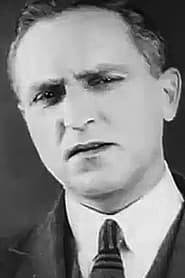
Porfiri Podobed
Actor & Director
Born: 1886 in Moscow, Russian Empire Died: 1949 Active: 1924-1930 Birth Name: Porfiri Ivanovich Podobed
Films
3 films
About Porfiri Podobed
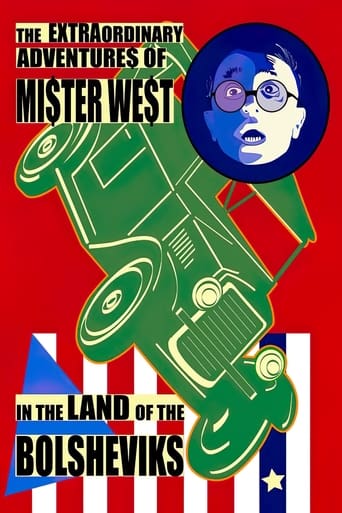
Notable Soviet actor and director who emerged during the revolutionary period of Russian cinema in the 1920s. He began his career as an actor, gaining recognition for his role in Lev Kuleshov's influential 1924 film 'The Extraordinary Adventures of Mr. West in the Land of the Bolsheviks,' which was one of the important early Soviet satirical comedies. Podobed worked during a transformative era when Soviet cinema was developing its unique artistic identity and ideological purpose. His transition from acting to directing reflected the mobility of talent within the early Soviet film industry, where many artists wore multiple hats. His directorial work, most notably 'St. Jorgen's Day' (1930), demonstrated his understanding of both comedic timing and the emerging sound film techniques. Though his career was relatively brief, spanning from 1924 to 1930, Podobed contributed to the foundation of Soviet cinema during its formative years. His work exemplified the experimental spirit and political engagement that characterized early Soviet filmmaking before the more rigid Stalinist aesthetic took hold.
The Craft
On Screen
Podobed's acting style reflected the theatrical traditions of early Russian cinema, characterized by exaggerated gestures and expressive facial work typical of the silent era. His performances in Soviet comedies demonstrated a keen understanding of satirical timing and the ability to convey political commentary through physical comedy. As an actor working with Lev Kuleshov, he was likely influenced by the Kuleshov effect theory of montage, which emphasized the importance of editing in creating meaning.
Behind the Camera
As a director, Podobed demonstrated proficiency in comedy and satire, particularly in his work on 'St. Jorgen's Day.' His directing approach incorporated both silent film techniques and early sound film innovations, showing adaptability to the technological changes occurring in cinema during the late 1920s and early 1930s. His work maintained the experimental spirit of early Soviet cinema while being accessible to mass audiences.
Milestones
- Acted in Lev Kuleshov's influential film 'The Extraordinary Adventures of Mr. West in the Land of the Bolsheviks' (1924)
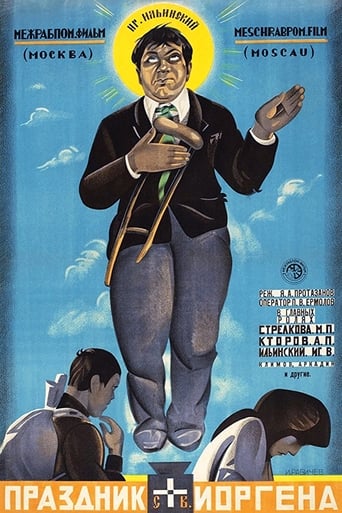
- Directed the comedy film 'St. Jorgen's Day' (1930)
- Contributed to early Soviet cinema during its formative period
- Transitioned successfully from acting to directing
- Worked during the transition from silent to sound films
Best Known For
Iconic Roles
Must-See Films
Accolades
Special Recognition
- Recognized as a contributor to early Soviet cinema history
Why They Matter
Impact on Culture
Porfiri Podobed contributed to the development of early Soviet cinema during a crucial period when the new Soviet state was establishing its film industry and cultural identity. His work in films like 'The Extraordinary Adventures of Mr. West in the Land of the Bolsheviks' helped establish the genre of Soviet satire and comedy, which played an important role in conveying political messages to mass audiences. As both an actor and director, he participated in the experimental spirit that characterized early Soviet filmmaking, when artists were exploring new techniques and approaches to cinema. His transition from acting to directing reflected the fluid nature of roles within the early Soviet film industry and the opportunities for creative growth available during this period.
Lasting Legacy
Porfiri Podobed's legacy lies in his contribution to the foundation of Soviet cinema during its formative years in the 1920s and early 1930s. While not as widely remembered internationally as some of his contemporaries, his work represents an important part of Soviet film history. His participation in Lev Kuleshov's influential 1924 film places him within the circle of filmmakers who helped establish Soviet montage theory and practice. His directorial work on 'St. Jorgen's Day' demonstrates the development of Soviet comedy and sound cinema. Podobed's career exemplifies the trajectory of many early Soviet film artists who worked during a period of intense artistic experimentation and political change.
Who They Inspired
Podobed's influence can be seen in his contribution to the development of Soviet comedy and satire in cinema. His work with Lev Kuleshov connected him to. As an actor who became a director, he represented the professional mobility that characterized the early Soviet film industry. His films, particularly those dealing with satire and social commentary, helped establish conventions that would influence later Soviet comedy directors. While not a major theoretical innovator himself, his practical work contributed to the development of a distinctly Soviet approach to film comedy and entertainment.
Off Screen
Porfiri Podobed lived through. His career coincided with the revolutionary changes in Russian society and culture that profoundly affected the arts. Details about his personal life, family relationships, and private affairs are not well-documented in available sources, which is common for many early Soviet film artists whose personal lives were secondary to their contributions to the collective cultural project.
Education
Details about Podobed's formal education are not well-documented, though he likely received training in theater or dramatic arts given his early career in acting during the Russian Empire period.
Did You Know?
- Worked during the transition from silent to sound films in the Soviet Union
- Participated in one of Lev Kuleshov's most famous experimental films
- His directorial work 'St. Jorgen's Day' was an early Soviet sound comedy
- Active years covered the period when Soviet cinema was establishing its unique identity
- Represented the generation of artists who helped build the Soviet film industry from its early days
- His work exemplified the blend of entertainment and political messaging common in early Soviet cinema
- Like many Soviet artists of his generation, his career was relatively brief but influential
- His films are now studied as examples of early Soviet comedy and satire
Frequently Asked Questions
Who was Porfiri Podobed?
Soviet actor and on YTB.my. He is best known for acting in Lev Kuleshov's influential 1924 film 'The Extraordinary Adventures of Mr. West in the Land of the Bolsheviks' and for directing 'St. Jorgen's Day' (1930).
What films is Porfiri Podobed best known for?
Titles linked here include The Extraordinary Adventures of Mr. West in the Land of the Bolsheviks (1924), St. Jorgen's Day (1930).
When was Porfiri Podobed born and when did he die?
Born 1886; died 1949.
What awards did Porfiri Podobed win?
Specific awards and honors for Porfiri Podobed are not well-documented in available sources. His recognition comes primarily from his contribution to early Soviet cinema history rather than formal awards.
What was Porfiri Podobed's acting and directing style?
Podobed's acting style reflected the theatrical traditions of silent cinema with expressive gestures suitable for the medium. As a director, he focused on comedy and satire, adapting to both silent and early sound film techniques while maintaining accessibility for mass audiences.
How did Porfiri Podobed contribute to Soviet cinema?
Podobed contributed to Soviet cinema by helping establish the genre of political satire and comedy during the industry's formative years. His work with influential directors like Lev Kuleshov connected him to important developments in Soviet film theory and practice.