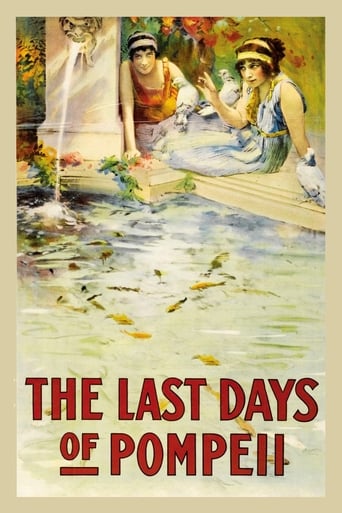
Films
1 film
About Eugenio Tettoni Fior
This archive lists one role for Eugenio Tettoni Fior: The Last Days of Pompeii (1913). With his entire known filmography consisting of a single appearance in the 1913 epic 'The Last Days of Pompeii.' This period marked the golden age of Italian silent films, when the country was producing some of the most ambitious and technically impressive motion pictures in the world. His brief career coincided with the height of Italian cinema's international influence, particularly in the historical epic genre that was dominating the global film market. The fact that he appeared in such a significant production suggests he may have been connected to the burgeoning Italian film industry of Milan or Turin, where many of these epics were produced. Unfortunately, like many actors from this very early period of cinema, detailed records of his life and career have been lost to time, making him representative of the countless anonymous contributors to early film history.
The Craft
Milestones
- Appeared in the landmark Italian silent epic 'The Last Days of Pompeii' (1913)
Best Known For
Must-See Films
Working Relationships
Studios
Why They Matter
Impact on Culture
Eugenio Tettoni Fior represents the countless anonymous actors who contributed to the birth of cinema during the silent era. His participation in 'The Last Days of Pompeii' places him within the context of Italy's dominance in early epic filmmaking, a period when Italian productions were setting technical and artistic standards for the global film industry. Though his individual contribution may have been small, he was part of a revolutionary movement that established cinema as a legitimate art form and entertainment medium.
Lasting Legacy
The legacy of actors like Eugenio Tettoni Fior lies in their role as pioneers who helped establish the foundation of the film industry. While his name may not be remembered in film history books, his contribution to. His story illustrates how many early film contributors have been lost to history, highlighting the importance of film preservation and historical research in recognizing all those who shaped the seventh art.
Who They Inspired
Given the extremely limited information about Eugenio Tettoni Fior's career, it's not possible to determine his influence on other actors or filmmakers. His brief appearance in cinema history serves more as a representative example of the many anonymous contributors to early film rather than as an influential figure in his own right.
Off Screen
Very little is known about Eugenio Tettoni Fior's personal life, which is typical for actors from the earliest days of cinema who often worked anonymously or under stage names. His brief appearance in film history suggests he may have been a stage actor who briefly transitioned to the new medium of cinema, or perhaps someone who tried acting but did not continue in the profession.
Did You Know?
- Appeared in cinema during the same year that feature-length films were becoming the industry standard
- Participated in Italian cinema's golden age when the country led the world in film production
- His only known film was directed by Mario Caserini, one of Italy's film directors
- The Last Days of Pompeii (1913) was one of many Italian historical epics that predated Hollywood's similar productions
- Like many early actors, he may have used a stage name, making historical research difficult
- His brief active years covered the period when cinema was transitioning from novelty to serious art form
Frequently Asked Questions
Who was Eugenio Tettoni Fior?
Screen credits include only one known film, 'The Last Days of Pompeii' in 1913. He represents the many anonymous actors who contributed to early cinema during its formative years.
What films is Eugenio Tettoni Fior best known for?
Titles linked here include The Last Days of Pompeii (1913).
When was Eugenio Tettoni Fior born and when did he die?
Specific birth and death dates for Eugenio Tettoni Fior are not known, which is common for actors from the earliest days of cinema who often worked anonymously and left few historical records.
What awards did Eugenio Tettoni Fior win?
No awards or nominations are recorded for Eugenio Tettoni Fior, which is typical for actors from the silent era when formal award systems like the Academy Awards had not yet been established.
What was Eugenio Tettoni Fior's acting style?
Due to the lack of surviving information and films, his specific acting style cannot be determined. However, actors in Italian epics of 1913 typically employed the theatrical, exaggerated gestures common to silent film performance.
Why is so little known about Eugenio Tettoni Fior?
The scarcity of information about Eugenio Tettoni Fior is typical of early cinema actors who often worked anonymously, used stage names, and left few written records. Many early films have also been lost, making comprehensive documentation difficult.