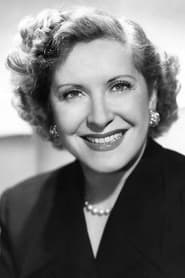
Gracie Allen
Actor
Born: July 26, 1895 in San Francisco, California, USA Died: August 27, 1964 Active: 1922-1958 Birth Name: Grace Ethel Cecile Rosalie Allen
Films
1 film
About Gracie Allen
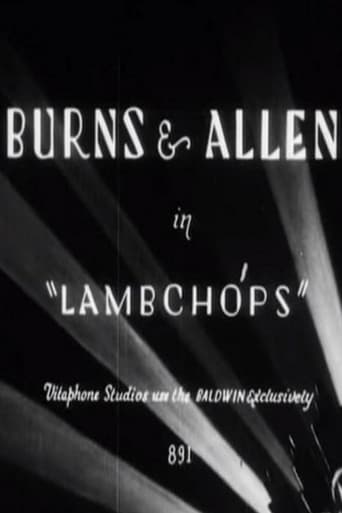
Grace Ethel Cecile Rosalie Allen, known professionally as Gracie Allen, was an American comedian and actress who became an entertainment legend as one half of the comedy duo Burns and Allen. Born in San Francisco in 1895, she began her career in vaudeville in the early 1920s where she met and formed a partnership with George Burns that would span over three decades. Their film debut came with the 1929 short 'Lambchops,' which perfectly captured their unique comedic chemistry and introduced audiences to Gracie's signature 'illogical logic' style. The duo successfully transitioned from vaudeville to film, then conquered radio with 'The Adventures of Gracie' from 1932 to 1958, before becoming television pioneers with 'The George Burns and Gracie Allen Show' (1950-1958). Despite portraying a seemingly ditzy character, Gracie was actually the intelligent force behind their comedy, carefully crafting her responses and managing the couple's finances. She retired from show business in 1958 due to health concerns and passed away in 1964, leaving behind an enduring legacy as one of America's most beloved comediennes who broke ground for women in entertainment.
The Craft
On Screen
Gracie Allen's comedic style was characterized by her 'illogical logic' - delivering absurd, nonsensical lines with complete sincerity and conviction. She perfected the 'dumb Dora' stereotype but elevated it with intelligence and timing, creating humor through the contrast between her sweet demeanor and the ridiculous things she would say. Her character was seemingly scatterbrained and confused, but this was a carefully crafted comedic persona that required great skill to maintain and actually positioned her as the intelligent force controlling the comedy.
Milestones
- Formation of Burns and Allen comedy duo in 1922
- Film debut in 'Lambchops' (1929)
- Radio show 'The Adventures of Gracie' (1932-1958)
- Television series 'The George Burns and Gracie Allen Show' (1950-1958)
- Star on Hollywood Walk of Fame
- Induction into National Radio Hall of Fame
Best Known For
Iconic Roles
Must-See Films
Accolades
Won
- Star on Hollywood Walk of Fame
Special Recognition
- Star on Hollywood Walk of Fame (for television)
- National Radio Hall of Fame (with George Burns)
Working Relationships
Worked Often With
Studios
Why They Matter
Impact on Culture
Gracie Allen revolutionized comedy by proving that a woman could be the primary source of humor in a comedy duo, challenging gender norms in entertainment. Her 'illogical logic' style influenced generations of comedians and demonstrated that a 'dumb' character could actually be intelligent and empowered, subverting expectations of women's roles in comedy. Her success across vaudeville, film, radio, and television showcased the versatility required for entertainment careers, while her partnership with George Burns set the standard for comedy duos with their natural chemistry and complementary styles.
Lasting Legacy
Gracie Allen is remembered as one of the women of American comedy who broke barriers for female performers. Her partnership with George Burns created a template for comedy duos that would be emulated for decades. The television show they created was innovative in its format, including breaking the fourth wall, and ran for eight successful years. Her comedic technique of delivering absurd lines with complete sincerity has been emulated by countless comedians, and she proved that women could be the comedic stars rather than just supporting roles in entertainment.
Who They Inspired
Gracie Allen directly influenced Lucille Ball's comedic style and approach to television comedy. Her technique of playing 'dumb' while actually being in control of the comedy inspired performers like Phyllis Diller, Carol Burnett, and later comedians like Ellen DeGeneres. The Burns and Allen show format influenced the development of the American sitcom, particularly in its use of breaking the fourth wall and blending domestic comedy with meta-humor.
Off Screen
Gracie Allen married George Burns in 1926 after four years of performing together, and their marriage lasted 38 years until her death. They adopted two children, Sandra Jean in 1934 and Ronald Jon in 1935. Off-screen, Gracie was known for her intelligence, kindness, and business acumen, managing the couple's finances despite her ditzy on-screen persona. She was deeply religious and maintained a private life away from the spotlight, enjoying cooking and caring for her family.
Education
Limited formal education due to family circumstances and early entry into show business; largely self-taught through vaudeville experience
Family
- George Burns (1926-1964)
Did You Know?
- Gracie Allen's exact birth year was uncertain - even she wasn't sure, with 1895, 1897, and 1902 all being cited by different sources.
- She once ran for President in 1940 as a publicity stunt on the 'Surprise Party' ticket, with her campaign slogan being 'It's better to have a good time with Gracie than a bad time with anybody else.'
- Despite her ditzy on-screen persona, she was actually quite intelligent and managed the couple's finances throughout their career.
- She was colorblind, a condition that occasionally affected her wardrobe choices but became part of her eccentric character.
- Her famous catchphrase setup was 'Say goodnight, Gracie,' which George would say at the end of their shows, to which she would simply reply 'Goodnight.'
- She never fully learned to drive, preferring to be chauffeured throughout her life.
- She retired from show business in 1958 when she began experiencing heart problems, prioritizing her health over her career.
- Her death in 1964 deeply affected George Burns, who kept her memory alive in his performances for decades and often referred to her in his act.
- The George Burns and Gracie Allen Show was one of the first sitcoms to break the fourth wall, with George often speaking directly to the audience.
- She and George maintained their comedy partnership for 35 years, one of the longest-running entertainment partnerships in history.
In Their Own Words
When I was born, I was so surprised I couldn't talk for a year and a half.
I'm not really dumb. The way I talk is what's dumb.
George once told me I was the only woman in the world who could trip over a cordless phone.
I read a book about reincarnation. I think I was a tree in my former life. I'm not sure what kind, but I think I was a pine.
Never put a period where God has put a comma.
Frequently Asked Questions
Who was Gracie Allen?
American comedian and actress, best known as one half of the legendary comedy duo Burns and Allen with her husband George Burns. She was celebrated for her 'illogical logic' comedic style, delivering absurd lines with complete sincerity that made audiences laugh for decades across vaudeville, film, radio, and television.
What films is Gracie Allen best known for?
Titles linked here include Lambchops (1929), The Big Broadcast series (1932-1937).
When was Gracie Allen born and when did she die?
Born July 26, 1895; died August 27, 1964.
What awards did Gracie Allen win?
While formal acting awards were less common during her era, Gracie Allen and George Burns received a star on the Hollywood Walk of Fame for their contributions to television. Together, they were also inducted into the National Radio Hall of Fame in recognition of their groundbreaking work in radio comedy.
What was Gracie Allen's acting style?
Gracie Allen's comedic style was characterized by her 'illogical logic' - delivering absurd, nonsensical lines with complete sincerity and conviction. She perfected the 'dumb Dora' stereotype but elevated it with intelligence and timing, creating humor through the contrast between her sweet demeanor and the ridiculous things she would say, all while maintaining complete control of the comedy.