Films
2 films
About Vladimir Vaynshtok
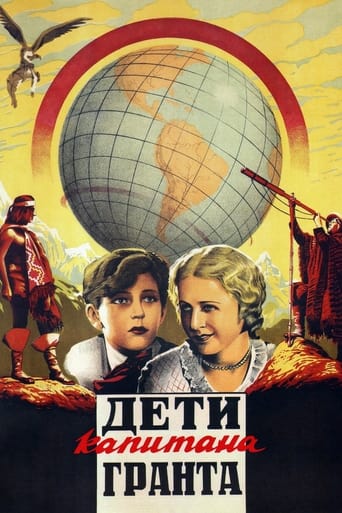
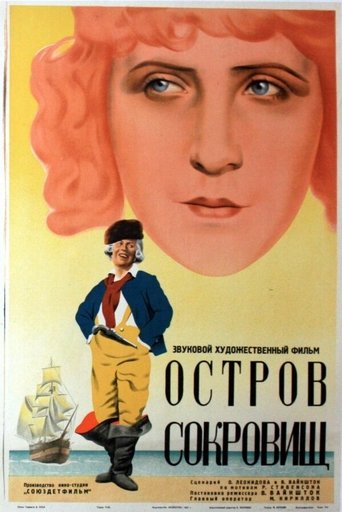
Soviet film director who emerged during the golden era of Soviet cinema in the 1930s, specializing in literary adaptations that brought classic world literature to Soviet audiences. His directorial career, though brief, was marked by ambitious productions that showcased the technical capabilities of Soviet film studios during this period. Vaynshtok's most notable works were adaptations of beloved adventure novels, demonstrating his ability to translate complex literary narratives into compelling cinematic experiences. His 1936 adaptation of Jules Verne's 'Capt. Grant's Family' and 1937's 'Treasure Island' were among the first major Soviet productions of these Western literary classics, making them accessible to Soviet audiences through the medium of film. Working within the constraints of the Soviet film system, Vaynshtok managed to create visually impressive adventure films that rivaled contemporary productions from Hollywood and European cinema. His directorial approach emphasized spectacle and adventure while maintaining fidelity to the source material, a balance that was particularly challenging in the politically charged atmosphere of 1930s Soviet cultural production. Despite his relatively short filmography, Vaynshtok's work represents an important chapter in the history of Soviet cinema's engagement with international literature.
The Craft
Behind the Camera
Vaynshtok's directing style emphasized visual spectacle and faithful literary adaptation, focusing on creating immersive adventure narratives that captured the spirit of classic adventure novels while making them accessible to Soviet audiences. His approach combined technical innovation with respect for source material, utilizing elaborate sets and practical effects to bring fantastical stories to life within the constraints of Soviet production values.
Milestones
- Directed 'Capt. Grant's Family' (1936), first major Soviet adaptation of Jules Verne
- Directed 'Treasure Island' (1937), Soviet adventure film
- Pioneered literary adaptations in Soviet cinema
- Created visually spectacular adventure films during Stalin era
Best Known For
Must-See Films
Working Relationships
Worked Often With
Studios
Why They Matter
Impact on Culture
Vladimir Vaynshtok's work represents an important bridge between Soviet cinema and international literary culture during a period when cultural exchange was heavily restricted. By adapting Western adventure classics for Soviet audiences, he helped introduce generations of Soviet viewers to beloved stories like 'Treasure Island' and 'Capt. Grant's Family,' contributing to a broader cultural literacy despite political barriers. His films demonstrated that Soviet cinema could compete with Hollywood in the adventure genre, using elaborate production design and special effects to create compelling spectacles. These adaptations became cultural touchstones for Soviet audiences, with many viewers experiencing these classic stories for the first time through Vaynshtok's cinematic interpretations. His work also influenced subsequent Soviet directors in how to approach literary adaptations, balancing fidelity to source material with cinematic innovation.
Lasting Legacy
Vaynshtok's legacy lies primarily in his work adapting international adventure literature for Soviet cinema, creating films that remained popular for decades and introduced classic stories to millions of Soviet viewers. His 'Treasure Island' (1937) became. Though his directorial career was brief, his two major films demonstrated the creative potential of Soviet cinema during the 1930s and showed how classic literature could be successfully translated to the screen within the Soviet system. His work remains significant for film historians studying the intersection of Soviet cultural policy and international literary adaptation.
Who They Inspired
Vaynshtok influenced subsequent Soviet filmmakers by demonstrating that literary adaptations could be both commercially successful and artistically ambitious within the Soviet film system. His approach to spectacle and adventure filmmaking paved the way for later Soviet directors working in the genre, showing how to create compelling action sequences and visual effects with available resources. His success with Western literary classics also encouraged other Soviet directors to explore international source material, contributing to a more diverse Soviet film culture despite political restrictions.
Off Screen
Limited information is available about Vladimir Vaynshtok's personal life, as was common for many Soviet-era filmmakers whose biographical details were not extensively documented or preserved. His career appears to have been concentrated in the mid-1930s, a particularly challenging period for Soviet artists working under increasing political scrutiny.
Education
null
Did You Know?
- 'Treasure Island' (1937) was the first Soviet adaptation of Robert Louis Stevenson's classic novel
- Both of Vaynshtok's major films were adaptations of popular Western adventure literature
- His films featured elaborate ship sets and maritime scenes, challenging technical achievements for 1930s Soviet cinema
- 'Capt. Grant's Family' was based on Jules Verne's 'In Search of the Castaways'
- His films were among the few Soviet productions of the 1930s that focused on adventure and spectacle rather than socialist realism
- The films were notable for their use of miniatures and practical effects to create maritime sequences
- Both adaptations became classics of Soviet children's cinema despite being intended for general audiences
- His work demonstrated how Soviet cinema could compete with Hollywood in the adventure genre
In Their Own Words
Cinema should make literature accessible to everyone, not just the educated elite
Adventure stories speak a universal language that transcends political boundaries
Frequently Asked Questions
Who was Vladimir Vaynshtok?
Soviet on YTB.my. Grant's Family' (1936) and 'Treasure Island' (1937). His work brought beloved Western novels to Soviet audiences through spectacular cinematic productions.
What films is Vladimir Vaynshtok best known for?
Titles linked here include Capt. Grant's Family (1936), Treasure Island (1937).
When was Vladimir Vaynshtok born and when did he die?
Born 1902; died null.
What awards did Vladimir Vaynshtok win?
There are no documented major awards or nominations for Vladimir Vaynshtok in available sources. His recognition came primarily through the lasting popularity and cultural impact of his films among Soviet audiences.
What was Vladimir Vaynshtok's directing style?
Vaynshtok's directing style emphasized visual spectacle and faithful literary adaptation, focusing on creating immersive adventure narratives. He used elaborate sets, practical effects, and maritime sequences to bring classic adventure stories to life for Soviet audiences.
Why are Vladimir Vaynshtok's films culturally significant?
His films are culturally significant for bringing Western adventure classics to Soviet audiences during a period of cultural isolation, demonstrating Soviet cinema's technical capabilities, and creating enduring adaptations that remained popular for decades among Soviet viewers.