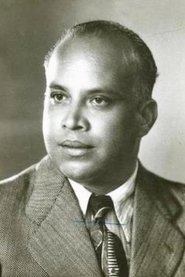
T. R. Sundaram
Director
Born: 1907 in Salem, Tamil Nadu, India Died: 1963 Active: 1937-1963 Birth Name: T. R. Sundaram Mudaliar
Films
1 film
About T. R. Sundaram
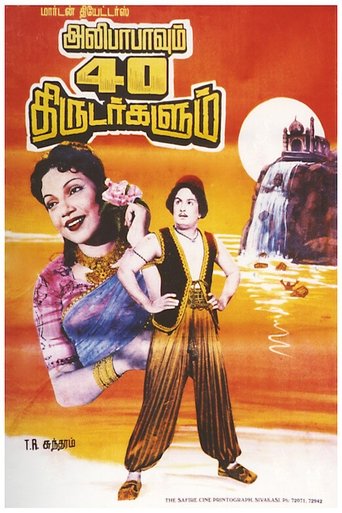
T. R. Sundaram Mudaliar was a figure in South Indian cinema, best known as the founder of Modern Theatres, film studios in Tamil cinema history. Born in 1907 in Salem, Tamil Nadu, he began his career as a theater owner before venturing into film production in 1937. His studio Modern Theatres became a powerhouse of Tamil cinema, producing over 150 films in various languages including Tamil, Telugu, Hindi, and Sinhala. Sundaram was known for his business acumen and ability to identify successful film projects, working with some of the biggest stars of his era. His productions ranged from mythological epics to social dramas, and he was instrumental in launching the careers of many actors and technicians. Despite being primarily a producer, he also directed several films, including 'Alibaba and the Forty Thieves' in 1956. His contribution to Indian cinema was recognized with numerous honors, and he remained active in the film industry until his death in 1963.
The Craft
Behind the Camera
Known for commercial storytelling with mass appeal, blending entertainment with technical innovation
Milestones
- Founded Modern Theatres studio in Salem (1937)
- Produced over 150 films across multiple languages
- Pioneered Tamil cinema infrastructure
- Directed 'Alibaba and the Forty Thieves' (1956)
- Launched careers of numerous South Indian film personalities
Best Known For
Must-See Films
Accolades
Won
- Kalaimamani Award from Tamil Nadu Government
Special Recognition
- Recognized as pioneer of Tamil cinema
- Modern Theatres named as heritage film studio
Working Relationships
Worked Often With
Studios
Why They Matter
Impact on Culture
T. R. Sundaram Mudaliar revolutionized Tamil cinema by establishing a comprehensive film production facility outside of Chennai (then Madras), demonstrating that quality films could be produced from regional centers. His Modern Theatres studio became a model for film production in South India, employing thousands and creating a self-sufficient ecosystem for filmmaking. The studio's success proved that regional cinema could compete with Bollywood in terms of production values and commercial success, inspiring similar ventures across South India.
Lasting Legacy
T. R. Sundaram Mudaliar's legacy lives on through Modern Theatres, which remains. His business model of vertical integration in film production influenced generations of Indian filmmakers. Many of his productions continue to be regarded as classics of Tamil cinema, and the studio he built in Salem is remembered as a cradle of talent that nurtured some of Indian cinema's biggest stars. His approach to filmmaking as both art and commerce set precedents that continue to influence the Indian film industry.
Who They Inspired
Sundaram's influence extends beyond his own productions to the very structure of South Indian cinema. He demonstrated that regional cinema could achieve both artistic merit and commercial success, encouraging investment in regional language films. His studio system became a training ground for countless technicians, actors, and directors who would go on to shape Indian cinema. The professional standards he established in production management and distribution continue to influence Indian film business practices.
Off Screen
T. R. Sundaram Mudaliar came from a business family in Salem and used his entrepreneurial skills to build one of South India's most successful film enterprises. He was known for his dedication to the film industry and his ability to manage large-scale productions efficiently.
Education
Limited formal education, but gained business experience through family enterprises
Family
- Information not publicly available
Did You Know?
- Modern Theatres was the first film studio to be established in Salem, Tamil Nadu
- The studio had its own processing laboratory and equipment manufacturing unit
- Sundaram produced films in four Indian languages and also Sinhala films for Sri Lanka
- His studio was spread over 20 acres and employed over 200 people at its peak
- He was one of the first producers to recognize the potential of color films in South India
- Modern Theatres produced the first Tamil film to run for 200 days
- Despite his success, he remained personally involved in all aspects of production
- The studio was known for its technical innovations and quality production values
In Their Own Words
Quality cinema needs both artistic vision and business sense
A film studio should be like a family where everyone grows together
Frequently Asked Questions
Who was T. R. Sundaram?
T. R. Sundaram Mudaliar was a film producer and director in Tamil cinema, best known as the founder of Modern Theatres studio in Salem. He produced over 150 films and was instrumental in developing South Indian cinema infrastructure.
What films is T. R. Sundaram best known for?
Titles linked here include Alibaba and the Forty Thieves (1956), Thiruvilayadal (1965) - produced.
When was T. R. Sundaram born and when did he die?
Born 1907; died 1963.
What was Modern Theatres?
Modern Theatres was the film studio founded by T. R. Sundaram in Salem in 1937. It became one of South India's most successful production houses, known for its quality films and technical innovations, producing over 150 films in multiple languages.
What was T. R. Sundaram's contribution to Indian cinema?
He revolutionized Tamil cinema by establishing a major production center outside of Chennai, demonstrating the viability of regional cinema production. His studio system became a model for vertical integration in Indian filmmaking and launched numerous careers.
Did T. R. Sundaram receive any awards?
He received the Kalaimamani Award from the Tamil Nadu government for his contributions to cinema. His studio and productions have been recognized as achievements in Indian film history.
What languages did T. R. Sundaram produce films in?
He produced films primarily in Tamil, but also in Telugu, Hindi, and Sinhala languages, making Modern Theatles.