Films
3 films

About Ugo Bazzini
Italian actor who worked during the era of silent cinema, primarily in the 1910s. His career, though brief, spanned from 1910 to 1917, placing him squarely in the golden age of Italian silent film production. Ugo appears in some of the most ambitious and artistically significant Italian films of the period, including adaptations of literary classics and supernatural melodramas that were characteristic of the era. Bazzini was part of the vibrant Italian film industry that, before World War I, was one of the world's most productive and innovative cinema centers. His work in films like 'Faust' (1910) demonstrated his participation in the trend of adapting major literary works for the screen, while his role in 'Satan's Rhapsody' (1917) placed him among the cast of visually stunning and psychologically complex films of the silent era. Like many actors of his generation, his career was likely impacted by the upheavals of World War I and the subsequent changes in the Italian film industry. His filmography, while limited in scope, represents the artistic ambitions and technical sophistication of early Italian cinema at its peak.
The Craft
On Screen
While specific details about Ugo Bazzini's acting style are not extensively documented, as an Italian silent film actor of the 1910s, he likely employed the theatrical and exaggerated gestures common to the era. Italian cinema of this period was known for its passionate, operatic approach to performance, with actors using broad physical movements and expressive facial techniques to convey emotion without dialogue. His participation in melodramatic and supernatural films suggests he was adept at conveying intense emotions and dramatic situations typical of the diva film genre that dominated Italian cinema during this period.
Milestones
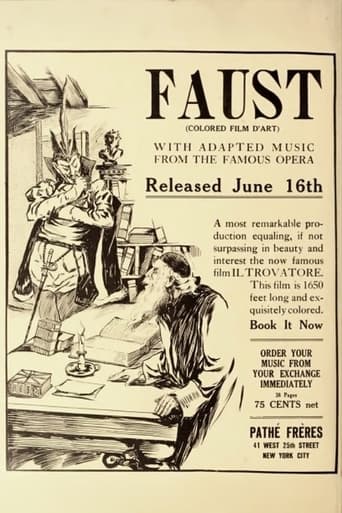
- Appeared in 'Faust' (1910), an early adaptation of Goethe's classic work
- Acted in 'Satan's Rhapsody' (1917), directed by Nino Oxilia
- Participated in the golden age of Italian silent cinema
- Worked during Italy's pre-WWI cinematic dominance
Best Known For
Iconic Roles
Must-See Films
Working Relationships
Worked Often With
Studios
Why They Matter
Impact on Culture
Ugo Bazzini's contribution to cinema, while not extensively documented, represents the collective effort of the many actors who helped establish cinema as a legitimate art form during its foundational years. His participation in films like 'Satan's Rhapsody' places him within the context of the Italian diva film movement, which significantly influenced cinematic aesthetics and storytelling techniques worldwide. The films he appeared in were part of Italy's cultural export during the pre-WWI period when Italian cinema dominated international markets, helping to establish visual storytelling techniques that would influence filmmakers globally.
Lasting Legacy
Though Ugo Bazzini is not widely remembered today, his legacy exists within the preservation of early Italian cinema and the films that survive as testaments to this innovative period. His work in 'Satan's Rhapsody' contributes to the film's status as a masterpiece of silent cinema, studied by film scholars for its artistic merits and influence on subsequent psychological horror and supernatural films. The preservation of these films ensures that actors like Bazzini remain part of cinema's historical record, representing the many talented performers who built the foundation of the film industry.
Who They Inspired
As a supporting actor during the silent era, Ugo Bazzini's direct influence on subsequent generations of performers is difficult to trace. However, his participation in groundbreaking films of the 1910s contributed to the development of cinematic acting techniques that would evolve throughout the 20th century. The Italian cinema of his era influenced international filmmaking styles, particularly in the areas of visual storytelling and melodramatic performance, which would echo through subsequent decades of cinema worldwide.
Off Screen
Very little specific information is available about Ugo Bazzini's personal life, which is typical for many supporting actors from the silent era whose biographical details were not extensively preserved in historical records. Like many actors of his generation, he would have experienced the dramatic social and political changes that swept Italy during the early 20th century, including World War I, which likely impacted his career trajectory.
Did You Know?
- Appeared in 'Satan's Rhapsody' (1917),
- Worked during Italy's pre-WWI period when the country dominated world cinema production
- Participated in the adaptation of Goethe's 'Faust' in 1910, demonstrating early cinema's literary ambitions
- His active years covered only 7 years, typical for many actors whose careers were affected by World War I
- Like many silent film actors, his biographical details are largely lost to history
- Worked alongside Lyda Borelli,
- Participated in the diva film genre, which was Italy's unique contribution to early cinema
Frequently Asked Questions
Who was Ugo Bazzini?
Italian silent film with credits in this catalog. He was part of Italy's thriving film industry during the pre-WWI era when Italian cinema dominated international markets.
What films is Ugo Bazzini best known for?
Titles linked here include Faust (1910), Satan's Rhapsody (1917).
When was Ugo Bazzini born and when did he die?
Specific birth and death dates for Ugo Bazzini are not documented in available historical records, which is common for many supporting actors from the silent era. He was active as an actor from 1910 to 1917.
What awards did Ugo Bazzini win?
No specific awards or nominations for Ugo Bazzini are documented in available historical records. During the silent era, formal acting awards were not as established as they would become in later decades.
What was Ugo Bazzini's acting style?
While specific details about Bazzini's acting style are not extensively documented, as an Italian silent film actor of the 1910s, he likely employed the theatrical and expressive techniques typical of the era, characterized by exaggerated gestures and passionate emotional delivery common in Italian melodramas.