
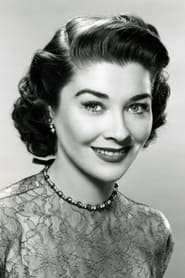
Virginia Leith
Actor
Born: October 15, 1925 in Cleveland, Ohio, USA Died: November 4, 2019 Active: 1953-1962
Films
2 films
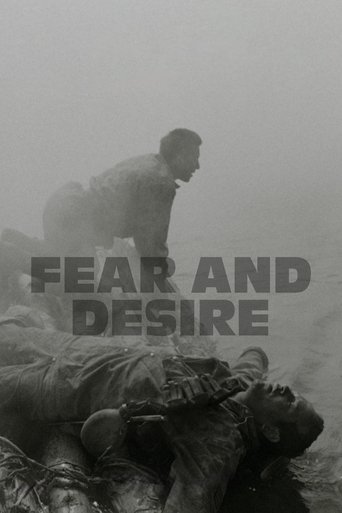
About Virginia Leith
American actress who rose to prominence in the 1950s, best known for her roles in Stanley Kubrick's debut feature 'Fear and Desire' (1953) and the cult horror classic 'The Brain That Wouldn't Die' (1962). Born in Ohio in 1925, she began her career after being discovered by a talent scout while working as a model in New York City. Her striking looks and intense screen presence quickly landed her roles in Hollywood films, though she never achieved major stardom. Leith's most memorable performance came as the disfigured fiancée in 'The Brain That Wouldn't Die,' a film that became a midnight movie sensation years after its release. She worked steadily throughout the 1950s and early 1960s, appearing in both films and television shows before retiring from acting in 1962. After leaving the entertainment industry, she largely disappeared from public life, making her later years somewhat mysterious to film historians. Her legacy lives on through her cult classic horror film and her connection to Kubrick's early career.
The Craft
On Screen
Leith was known for her intense, naturalistic acting style that brought emotional depth to her roles. She possessed a haunting screen presence that was particularly effective in psychological and horror films. Her performances often conveyed a sense of vulnerability mixed with inner strength, making her characters memorable despite limited screen time in some productions.
Milestones
- Starred in Stanley Kubrick's debut feature Fear and Desire (1953)
- Landed leading role in The Brain That Wouldn't Die (1962)
- Appeared in multiple television series throughout the late 1950s
- Worked with major studios including Warner Bros. And Universal
- Became cult horror icon through posthumous recognition
Best Known For
Iconic Roles
Must-See Films
Accolades
Special Recognition
- Cult film recognition for The Brain That Wouldn't Die
- Retrospective appreciation as part of Stanley Kubrick's early work
Working Relationships
Worked Often With
Studios
Why They Matter
Impact on Culture
Virginia Leith's impact on cinema grew significantly after her acting career ended, particularly through her role in 'The Brain That Wouldn't Die.' The film became a cult classic on the midnight movie circuit, and her performance as the decapitated yet vengeful fiancée became iconic among horror enthusiasts. Her work in Kubrick's debut feature also gained historical significance as film scholars revisited the director's early career. Leith represents the archetype of the 1950s character actress whose contributions to cinema were not fully appreciated until decades later.
Lasting Legacy
Virginia Leith's legacy is primarily defined by her status as a cult horror icon and her connection to Stanley Kubrick's filmography. 'The Brain That Wouldn't Die' has been referenced, parodied, and celebrated in numerous horror film retrospectives and documentaries. Her performance has been analyzed by feminist film scholars for its subversive take on the damsel in distress trope. Though she never achieved mainstream stardom, her work continues to be discovered by new generations of film fans, cementing her place in cult cinema history.
Who They Inspired
Leith's portrayal of a disfigured yet empowered female character in 'The Brain That Wouldn't Die' influenced subsequent horror films featuring female revenge narratives. Her naturalistic acting style in 'Fear and Desire' demonstrated the possibilities of psychological realism in low-budget independent filmmaking. The film's cult status has inspired numerous homages and references in popular culture, from other horror films to television shows like 'Mystery Science Theater 3000.'
Off Screen
Virginia Leith married Canadian actor Donald Harron in 1956, though the marriage ended in divorce. She was known to be a private person who avoided the Hollywood social scene. After retiring from acting in 1962, she largely withdrew from public life and rarely gave interviews about her film career. She spent her later years living quietly in Palm Springs, California, away from the entertainment industry.
Education
Attended Ohio State University briefly before moving to New York City to pursue modeling and acting
Family
- Donald Harron (1956-1962)
Did You Know?
- Was discovered by a talent scout while working as a model in New York
- 'Fear and Desire' was Stanley Kubrick's first feature film, made when he was only 24
- 'The Brain That Wouldn't Die' was filmed in 1959 but not released until 1962
- The horror film was banned in several states upon its initial release
- Leith retired from acting shortly after 'The Brain That Wouldn't Die' was released
- She rarely discussed her film career in interviews after retiring
- The film gained cult status through repeated showings on television in the 1970s
- Her character in 'The Brain That Wouldn't Die' spends most of the film as just a head in a pan
- Kubrick later disowned 'Fear and Desire' and tried to destroy all copies
- Leith was one of the few actors from Kubrick's debut to have a sustained acting career
In Their Own Words
On working with Kubrick: 'He was very intense even then, very focused on getting exactly what he wanted from every scene.'
On 'The Brain That Wouldn't Die': 'I had no idea it would become this cult phenomenon. It was just another job at the time.'
Frequently Asked Questions
Who was Virginia Leith?
American actress active in the 1950s and early 1960s, best known for starring in Stanley Kubrick's debut film 'Fear and Desire' and the cult horror classic 'The Brain That Wouldn't Die.' She was a character actress who gained posthumous recognition for her work in genre cinema.
What films is Virginia Leith best known for?
Titles linked here include Fear and Desire (1953), The Brain That Wouldn't Die (1962).
When was Virginia Leith born and when did she die?
Born October 15, 1925; died November 4, 2019.
What awards did Virginia Leith win?
Virginia Leith did not receive any major awards or nominations during her acting career. However, she has gained posthumous recognition and honors through the cult status of 'The Brain That Wouldn't Die' and retrospective appreciation of her role in Kubrick's early work.
What was Virginia Leith's acting style?
Leith was known for her intense, naturalistic acting style that brought emotional depth to her roles. She had a haunting screen presence that was particularly effective in psychological and horror films, often conveying vulnerability combined with inner strength in her characters.
Why did Virginia Leith retire from acting?
Leith retired from acting in 1962, shortly after 'The Brain That Wouldn't Die' was released. While she never publicly detailed her reasons for leaving Hollywood, it appears she chose to pursue a private life away from the entertainment industry, rarely discussing her film career in her later years.
How is Virginia Leith connected to Stanley Kubrick?
Virginia Leith starred in Stanley Kubrick's debut feature film 'Fear and Desire' in 1953. This connection has made her part of film history, as Kubrick later became one of cinema's most acclaimed directors, though he himself disowned this early work and tried to destroy all copies.