Films
1 film
About Prakash Arora
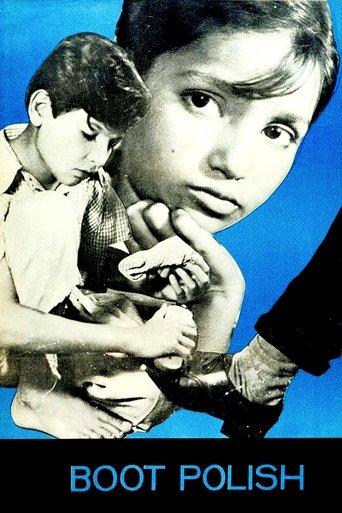
Made a significant mark in Hindi cinema during the 1950s, though his career was relatively brief. He is best remembered for directing the critically acclaimed film 'Boot Polish' (1954), which was produced by the Raj Kapoor under his R.K. Films banner. The film stood out for its poignant portrayal of street children in Bombay and its powerful social message about dignity and self-respect. Arora's direction in 'Boot Polish' was praised for its sensitive handling of the subject matter and his ability to extract natural performances from child actors. Despite the success of this film, detailed information about his other works or the full extent of his career remains limited in film historical records. His contribution to Indian cinema, while not extensively documented, represents an important example of socially conscious filmmaking in early independent India.
The Craft
Behind the Camera
Socially conscious filmmaking with focus on realistic portrayals of marginalized communities, particularly children. Known for sensitive handling of serious subjects and ability to extract natural performances from young actors.
Milestones
- Directed the critically acclaimed film 'Boot Polish' (1954)
- Film won Filmfare Award for Best Film
- Worked with Raj Kapoor's R.K. Films production house
Best Known For
Must-See Films
Accolades
Won
- Filmfare Award for Best Film for Boot Polish (1955)
Working Relationships
Worked Often With
Studios
Why They Matter
Impact on Culture
Prakash Arora's 'Boot Polish' made a significant cultural impact in post-independence India by addressing social issues through cinema. The film's message about dignity, self-respect, and the importance of honest work resonated strongly with audiences and critics alike. It was one of the early examples of Indian cinema moving beyond entertainment to address serious social themes, particularly the plight of street children in urban India. The film's success helped pave the way for more socially conscious filmmaking in Indian cinema.
Lasting Legacy
Prakash Arora's legacy is primarily tied to his single but highly influential work 'Boot Polish'. The film continues to be remembered as a classic of Indian cinema and is often cited in discussions about socially relevant films. While his directorial career appears to have been brief, his contribution through this one film has ensured his place in Indian film history. The film's themes and execution continue to be studied and appreciated by film scholars and enthusiasts.
Who They Inspired
Arora's work on 'Boot Polish' influenced subsequent generations of Indian filmmakers interested in social realism and cinema with a message. His sensitive approach to directing child actors set a benchmark for working with young performers in Indian cinema. The film's success demonstrated that socially relevant themes could find both critical acclaim and commercial success, encouraging other filmmakers to explore similar territory.
Off Screen
Very limited information is available about Prakash Arora's personal life. He appears to have been a private individual who did not seek public attention beyond his professional work in cinema.
Did You Know?
- Boot Polish was India's official entry for the Academy Awards in the Best Foreign Language Film category
- The film's famous song 'Nanhe Munne Bachche' became extremely popular and is still remembered today
- Child actor Baby Naaz won a special Filmfare Award for her performance in the film
- The film was shot on location in Bombay's streets to maintain authenticity
- Raj Kapoor was deeply involved in the production despite not acting in it
- The film was remade in Tamil as 'Thirudathe' in 1961
- Boot Polish was one of the first Indian films to focus exclusively on child protagonists
In Their Own Words
The film's central message: 'Bade log bade na hote, hain toh bas bade hote' (Big people aren't necessarily good, they're just big)
Frequently Asked Questions
Who was Prakash Arora?
Indian on YTB.my.K. Films. Though his career appears to have been brief, he made a significant contribution to Indian cinema through this socially conscious film.
What films is Prakash Arora best known for?
Titles linked here include Boot Polish (1954).
When was Prakash Arora born and when did he die?
Unfortunately, specific birth and death dates for Prakash Arora are not well documented in available film historical records. He was active as a director in the 1950s.
What awards did Prakash Arora win?
Prakash Arora's film 'Boot Polish' won the Filmfare Award for Best Film in 1955. The film was also selected as India's official entry for the Academy Awards in the Best Foreign Language Film category.
What was Prakash Arora's directing style?
Prakash Arora's directing style was characterized by social consciousness and realism. He was known for his sensitive handling of serious subjects, particularly in depicting the lives of marginalized communities, and his ability to extract natural performances from child actors.