


Boot Polish
"Two orphans are forced by their abusive aunt to beg in the streets of Bombay"
Keys: Space play/pause · ←/→ 10s · F fullscreen · M mute · </> speed
About this film
Two orphans are forced by their abusive aunt to beg in the streets of Bombay. They take up shining shoes but are separated from each other.
Cast & crew
More films like this
More Drama films
View all →







More about this film
About the production
Release dateAugust 6, 1954
Box officeThe film was a commercial success and performed well at the box office, though exact figures are not documented
ProductionR.K. Films
Filmed inBombay (now Mumbai), India, R.K. Studios, Bombay
The film was produced by Raj Kapoor who was deeply involved in the project despite not directing it himself. Prakash Arora, a close associate of Raj Kapoor, directed the film. The production took approximately 8-10 months to complete, with extensive location shooting in the streets of Bombay to capture the authentic urban poor environment. Child actors Kumari Naaz and Rattan Kumar underwent extensive training to portray their roles realistically, including learning the actual techniques of shoe polishing. The film's production was marked by Raj Kapoor's insistence on realism, often using real street children as extras and shooting in actual slum areas.
Themes
Dignity of laborChildhood innocencePoverty and social inequalitySelf-respect and integrityUrban alienation
Themes & topics
OrphansBombayShoe shiningStreet childrenPovertySocial reformChild laborUrban lifeMoral educationSeparation and reunion
Historical background
Released in 1954 during the postwar studio era, Boot Polish reached audiences when exhibitors were still defining programming conventions. The narrative hook—Two orphans are forced by their abusive aunt to beg in the streets of Bombay—reflects what contemporary producers thought would draw viewers.
Why this film matters
Boot Polish remains discussed by archivists tracing how screen stories of its period represented work, desire, conflict, and social order. Its central situation—Two orphans are forced by their abusive aunt to beg in the streets of Bombay—still prompts questions about genre conventions and audience expectations.
Making of
The making of Boot Polish was marked by Raj Kapoor's passionate commitment to social cinema. Despite being one of India's biggest stars, Kapoor chose to produce this modest film about street children, demonstrating his artistic integrity beyond commercial considerations. Director Prakash Arora, who had previously worked as Kapoor's assistant, was given complete creative freedom while still benefiting from Kapoor's guidance. The production team spent months researching the lives of street children in Bombay, conducting interviews with real boot polishers and orphaned children to ensure authenticity. The casting of child actors was particularly challenging - over 200 children were auditioned before Kumari Naaz and Rattan Kumar were selected. During filming, the production faced difficulties shooting in actual Bombay slums, as local residents were initially suspicious of the film crew. However, once they understood the film's social message, many locals cooperated enthusiastically, some even appearing as extras. The film's emotional scenes, particularly those involving the children's hardships, were often difficult to shoot, requiring sensitive handling by the director to avoid traumatizing the young actors.
What critics said
Trade and newspaper notices for Boot Polish generally emphasized casting, spectacle, and program fit rather than extended aesthetic argument. Retrospective screenings and archival notes continue to shape how viewers evaluate Boot Polish today.
Did you know?
- Boot Polish was India's official entry for the Academy Awards in the Best Foreign Language Film category, though it did not receive a nomination
- The film won the Filmfare Award for Best Film, beating Raj Kapoor's own 'Awaara' which was also nominated that year
- Child actor Kumari Naaz was only 8 years old when she played the role of Belu and delivered a remarkably mature performance
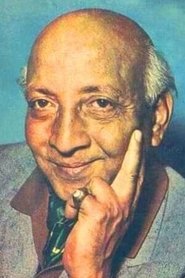
- David Abraham Cheulkar, who played John Chacha, won the Filmfare Award for Best Supporting Actor for his role
- The film's message 'Begging is not a profession' became a popular social slogan in 1950s India
- Raj Kapoor was so passionate about this project that he personally supervised every aspect of production despite not directing it
- The shoe polishing techniques shown in the film were taught to the child actors by professional boot polishers from Bombay's streets
- The film was shot in black and white despite color technology being available, as Raj Kapoor believed it better captured the gritty reality of urban poverty
- The movie's success led to several international film festival invitations, including screenings in Moscow and Berlin
- The character of John Chacha became so popular that David Abraham Cheulkar was typecast in similar 'kind uncle' roles throughout his career
Awards & recognition
- Filmfare Award for Best Film (1955)
- Filmfare Award for Best Supporting Actor - David Abraham Cheulkar (1955)
- Certificate of Merit for Best Feature Film in Hindi - National Film Awards (1955)
Visual style
The cinematography by Jal Mistry was notable for its realistic portrayal of Bombay's urban landscape, capturing both the gritty reality of street life and moments of visual poetry. Mistry employed natural lighting techniques for outdoor scenes, giving the film a documentary-like authenticity that enhanced its social message. The camera work was particularly effective in scenes showing the children's perspective, often using low angles to emphasize their vulnerability in the adult world. The black and white photography used strong contrasts to highlight the stark differences between poverty and privilege in Bombay. Mistry's composition in crowded street scenes demonstrated remarkable skill in maintaining focus on the protagonists while showing the chaos of urban life. The film's visual language influenced subsequent Indian social cinema, establishing techniques for realistic urban storytelling that would be emulated for decades.
Innovations
Boot Polish was technically innovative for its time in several aspects. The film pioneered the use of sync sound technology in Indian cinema for outdoor location shooting, allowing for more authentic ambient sounds of Bombay's streets. The production team developed special lightweight cameras that could be easily maneuvered in crowded locations, enabling more dynamic and realistic filming. The film's makeup department created realistic effects to show the children's gradual transformation from beggars to self-respecting workers, with subtle changes in their appearance throughout the narrative. The editing technique, particularly in montages showing the passage of time and seasons, was considered advanced for Indian cinema of the 1950s. The sound design incorporated actual street noises and ambient sounds, moving away from the studio-bound sound practices common in Indian films of that era. These technical innovations contributed significantly to the film's realistic feel and influenced subsequent Indian filmmakers in their approach to social realism.
Music
The film's music was composed by the duo Shankar-Jaikishan, with lyrics by Shailendra and Hasrat Jaipuri. The soundtrack perfectly complemented the film's emotional journey, ranging from playful children's songs to deeply moving melodies. The song 'Nanhe Munne Bachche Teri Mutthi Mein Kya Hai' became extremely popular and remains defining children's songs in Indian cinema. Another notable song 'O Janewale Ho Sake To Laut Ke Aana' captured the film's themes of separation and hope. The music avoided becoming overtly sentimental, instead maintaining a delicate balance that enhanced the narrative without overwhelming it. The soundtrack's success contributed significantly to the film's popularity, with the songs receiving regular airplay on Radio Ceylon, which was the primary source of film music for Indians in the 1950s. The music's enduring appeal is evidenced by its continued presence in various compilations and remixes decades after the film's release.
Famous quotes
'Bhikshatan dhanda nahi hai, ek bimari hai' (Begging is not a profession, it's a disease)
'Chote se bada kaam karna, chote se bada insaan ban jaana' (Doing big work in small ways makes you a bigger person)
'Apne haath ki kamai mein izzat hoti hai' (There is dignity in earning with your own hands)
'John Chacha: Jab tak tum saans chaloge, ummeed chalogi' (John Chacha: As long as you breathe, hope will live)
'Bade logon se badi baat karte hain, bache logon se dil ki baat karte hain' (Big people talk big things, children speak from the heart)
Memorable scenes
- The opening scene where Bhola and Belu are forced to beg by their aunt, establishing the film's central conflict
- The children's first encounter with John Chacha, who teaches them how to polish shoes with dignity
- The emotional scene where the children refuse to beg despite extreme hunger, demonstrating their moral strength
- The rain sequence where the siblings take shelter together, showcasing their bond amidst hardship
- The final reunion scene in the hospital, where their perseverance is rewarded with emotional resolution
- The montage showing the children learning and perfecting their shoe-polishing skills
- The scene where John Chacha tells the children stories about the importance of honest work
What audiences thought
Boot Polish resonated deeply with audiences across India, particularly among the urban middle class who were becoming increasingly aware of social issues. The film's emotional core and the endearing performances of the child actors created a strong connection with viewers. Many audience members reported being moved to tears by the siblings' struggles and triumphs. The film's message about dignity and self-respect struck a chord with the post-independence generation that was building a new India. Despite dealing with serious themes, the film's hopeful tone and occasional moments of humor made it accessible to family audiences. The film ran successfully in theaters for several weeks and was particularly popular in Bombay where its local setting added to its authenticity. Word-of-mouth publicity played a significant role in its success, with many viewers recommending it to others for its powerful social message. Over the years, Boot Polish has maintained its emotional impact on new generations through television screenings and film retrospectives.
Film connections
Influenced by
- Italian Neorealism (particularly Bicycle Thieves and Shoeshine)
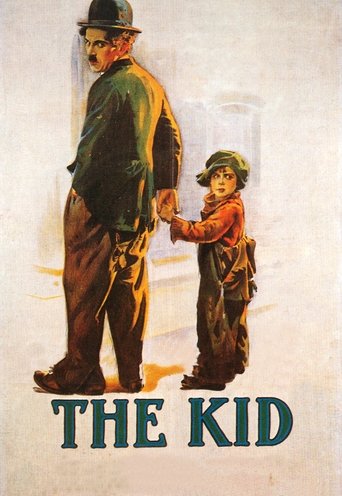
- Charlie Chaplin's The Kid
- Vijay Bhatt's Jhoola (1942)
- Mehboob Khan's Roti (1942)
- De Sica's Umberto D.
This film influenced
- Munna (1954)
- Jagte Raho (1956)
- Boot Polish (2014 remake)
- Dhanak (2015)
- Stanley Ka Dabba (2011)
- I Am Kalam (2011)
Film restoration
Boot Polish has been well-preserved as part of India's cinematic heritage. The original negatives are maintained in the National Film Archive of India (NFAI) in Pune. The film underwent digital restoration by the Film Heritage Foundation in collaboration with R.K. Films in 2016, ensuring its preservation for future generations. Several restored versions have been screened at international film festivals and retrospectives. The film is also part of the permanent collection at the British Film Institute and other major film archives worldwide. Despite being over 65 years old, the film's print quality remains good due to careful preservation efforts, and it continues to be accessible for academic and cultural screenings.
Where to watch
- Amazon Prime Video (with subscription)
- YouTube (official R.K. Films channel with ads)
- MUBI (periodic availability during film retrospectives)
- Film Heritage Foundation screenings and events
- National Film Archive of India viewing facilities (for researchers)
- Various Indian streaming platforms like Eros Now and JioCinema