
Raj Kapoor
Actor & Director
Born: December 14, 1924 in Peshawar, North-West Frontier Province, British India (now Pakistan) Died: June 2, 1988 Active: 1935-1987 Birth Name: Ranbir Raj Kapoor
Films
8 films

About Raj Kapoor
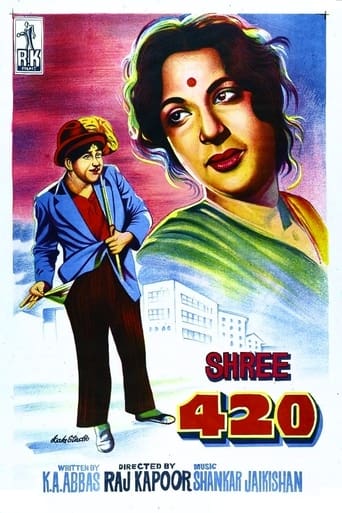
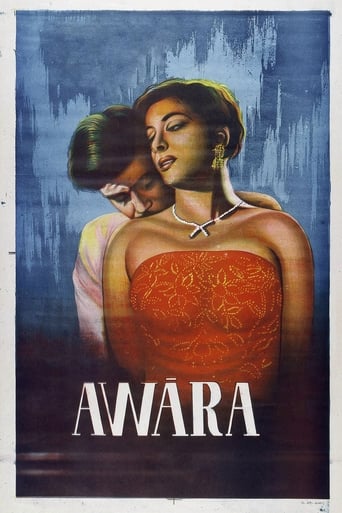
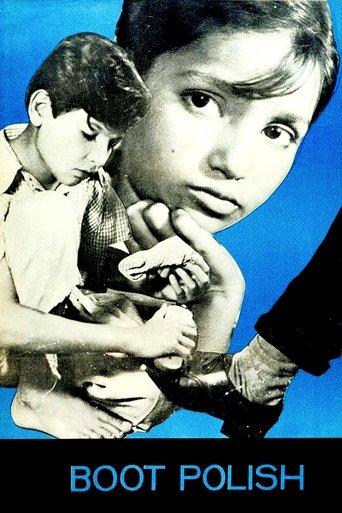
Raj Kapoor, often called 'The Greatest Showman of Indian Cinema,' was an actor, director, and producer who revolutionized Hindi cinema during its golden era. Born into the prestigious Kapoor family of actors, he made his debut as a child actor in the 1930s before establishing himself as a leading man in the 1940s. In 1948, he founded R.K. Studios, which became one of India's most prestigious film production houses, and made his directorial debut with 'Aag' the same year. His 1951 film 'Awaara' (The Vagabond) became an international sensation, particularly popular in Soviet Union and China, making him one of the first Indian filmmakers with global recognition. Kapoor created a unique cinematic persona blending Charlie Chaplin's tramp-like qualities with distinctly Indian sensibilities, often portraying the 'common man' struggling against societal injustices. His films like 'Shree 420' (1955) and 'Boot Polish' (1954) addressed social issues while maintaining mass appeal, a balance that became his trademark. He continued making films through the 1970s and 1980s, with his final directorial venture 'Ram Teri Ganga Maili' (1985) becoming a massive success. Kapoor's influence on Indian cinema is immeasurable, and he remains filmmakers in the history of Indian cinema.
The Craft
On Screen
Raj Kapoor developed a distinctive acting style that blended physical comedy reminiscent of Charlie Chaplin with deep emotional pathos. His performances often featured exaggerated gestures, expressive facial contortions, and a childlike innocence that endeared him to audiences. He specialized in playing the 'common man' - often a tramp, vagabond, or underdog - who maintained optimism despite facing societal injustices. His acting technique combined method-like intensity with theatrical flourishes, creating memorable characters that were both relatable and aspirational. Kapoor's ability to seamlessly transition between comedy and tragedy within the same performance became his signature style.
Behind the Camera
As a director, Raj Kapoor was known for his grand visual style, elaborate sets, and melodramatic storytelling that appealed to both masses and classes. His films often featured socialist themes critiquing social inequality while maintaining entertainment value. He pioneered the use of dream sequences and symbolic imagery in Indian cinema, with songs that advanced the narrative rather than serving as mere interludes. Kapoor's directing style emphasized emotional storytelling over realism, with characters representing broader social archetypes. He had a keen eye for visual composition, often using lighting and shadows to create dramatic effects. His films typically followed a three-act structure with clear moral lessons, reflecting his belief in cinema as a medium for social change.
Milestones
- Founded R.K. Studios in 1948, becoming one of India's most prestigious film production houses
- Directed and starred in 'Awaara' (1951), which achieved international success and was screened at Cannes
- Created the iconic 'tramp' character in 'Shree 420' (1955) that became a cultural phenomenon
- Won multiple National Film Awards for Best Feature Film
- Received Padma Bhushan (1971) and Dadasaheb Phalke Award (1987), India's highest civilian honors in cinema
- Films were screened at major international festivals including Cannes and Moscow
- Became one of the first Indian filmmakers to achieve global recognition
Best Known For
Iconic Roles
Must-See Films
Accolades
Won
- National Film Award for Best Feature Film for 'Boot Polish' (1954)
- National Film Award for Best Feature Film for 'Jis Desh Mein Ganga Behti Hai' (1960)
- National Film Award for Best Feature Film for 'Mera Naam Joker' (1970)
- Filmfare Award for Best Director for 'Awaara' (1951)
- Filmfare Award for Best Actor for 'Awaara' (1951)
- Filmfare Award for Best Director for 'Shree 420' (1955)
- Filmfare Award for Best Actor for 'Shree 420' (1955)
- Padma Bhushan (1971)
- Dadasaheb Phalke Award (1987)
Nominated
- Palme d'Or nomination at Cannes Film Festival for 'Awaara' (1951)
- Grand Prix nomination at Cannes Film Festival for 'Boot Polish' (1954)
- Golden Prize nomination at Moscow International Film Festival for 'Jis Desh Mein Ganga Behti Hai' (1960)
- Multiple Filmfare nominations throughout his career
Special Recognition
- Dadasaheb Phalke Award (1987) - India's highest award in cinema
- Padma Bhushan (1971) - India's third-highest civilian honor
- Retrospective at Cannes Film Festival (1987)
- His films preserved in the National Film Archive of India
- Multiple postage stamps issued by India Post featuring him
- Statue installed at Walk of the Stars in Mumbai
Working Relationships
Worked Often With
Studios
Why They Matter
Impact on Culture
Raj Kapoor's impact on Indian culture extends far beyond cinema. His films shaped post-independence Indian identity, addressing themes of urbanization, class struggle, and moral values during a period of nation-building. The 'tramp' character he created became a cultural archetype representing the hopes and struggles of the common Indian. His songs became anthems that are still sung today, with 'Mera Joota Hai Japani' from 'Shree 420' becoming an unofficial patriotic song. Kapoor's films were instrumental in creating a pan-Indian popular culture, breaking regional barriers through Hindi cinema. His work influenced fashion trends, with his signature style of tight pants and bowler hat being widely imitated. Internationally, he became a cultural ambassador for India, with his films fostering cultural diplomacy during the Cold War era, especially in Soviet Union and Eastern Europe.
Lasting Legacy
Raj Kapoor's legacy as 'The Showman' of Indian cinema remains unparalleled. He established a template for the modern Indian film star who could successfully act, direct, and produce, influencing generations of filmmakers. R.K. Studios, though now closed, set standards for film production quality and infrastructure in India. His technique of blending social messages with entertainment became a formula for successful commercial cinema in India. Kapoor's films are regularly studied in film schools and screened at retrospectives worldwide, cementing their place in global cinema history. The Kapoor dynasty he founded continues to dominate Bollywood, with his children, grandchildren, and great-grandchildren all working in the industry. His approach to cinema as both art and social commentary influenced parallel cinema movements in India. Even decades after his death, his films find new audiences through television and digital platforms, proving the timelessness of his storytelling.
Who They Inspired
Raj Kapoor influenced multiple generations of Indian filmmakers, from Satyajit Ray to Mani Ratnam, who admired his ability to create commercially successful films with artistic merit. His visual style influenced directors like Guru Dutt and V. Shantaram. The 'common man' protagonist archetype he created influenced actors like Amitabh Bachchan's 'angry young man' and Aamir Khan's socially conscious characters. Internationally, filmmakers like Federico Fellini and Akira Kurosawa praised his work. His success in international markets paved the way for later Indian films to seek global distribution. Kapoor's approach to song picturization influenced how musical sequences were integrated into Indian cinema narratives. His business model of owning production studios inspired later actors like Shah Rukh Khan to become producers. The balance of social commentary and entertainment he mastered became the benchmark for mainstream Indian cinema.
Off Screen
Raj Kapoor came from the illustrious Kapoor family, considered the first family of Indian cinema. He married Krishna Malhotra in 1946, with whom he had five children: Randhir, Ritu, Rishi, Rima, and Rajiv. Despite his marriage, he had a long-term romantic and professional relationship with actress Nargis, who starred in many of his films during the 1950s. This relationship ended in the late 1950s, leading to personal and professional changes. Kapoor was known for his lavish lifestyle and extravagant film productions, which sometimes led to financial difficulties despite box office success. He suffered from asthma in his later years and died of complications from the disease in 1988. His children and grandchildren continue to be prominent figures in Indian cinema.
Education
Educated at Colonel Brown Cambridge School in Dehradun and later at St. Xavier's Collegiate School in Kolkata. He also received training in filmmaking techniques at Bombay Talkies studio.
Family
- Krishna Malhotra (1946-1988)
Did You Know?
- His film 'Awaara' was reportedly watched by over 200 million people in Soviet Union and China
- Charlie Chaplin personally praised his performance in 'Awaara' after watching it in London
- He was the first Indian filmmaker to have his films compete at major international festivals
- His song 'Mera Joota Hai Japani' from 'Shree 420' was banned in Pakistan for its patriotic undertones
- He mortgaged his family home to finance 'Mera Naam Joker' (1970), which initially flopped but later became a cult classic
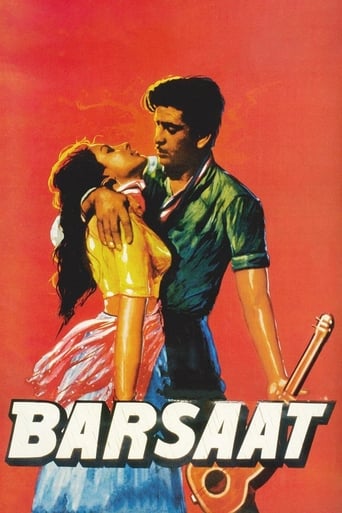
- He was known for shooting in extreme weather conditions, once filming in snow at -20°C for 'Barsaat'
- His films were so popular in Soviet Union that Russian streets were named after his characters
- He was a chain smoker who often smoked 60-80 cigarettes daily during filming
- The famous RK Studios logo (a man embracing a woman) was inspired by a scene from 'Barsaat'
- He was offered a role in a Hollywood film in the 1950s but declined to focus on Indian cinema
In Their Own Words
Cinema is the modern version of the ancient tradition of storytelling. It has the same power to educate, entertain, and enlighten.
I make films for the common man. If the educated elite also enjoys them, that's a bonus.
My tramp character is not just a beggar; he represents the dignity of the poor, their hopes and dreams.
A film should be like a woman - beautiful to look at, but with depth and substance.
I don't make art films or commercial films. I make Raj Kapoor films.
Music is the soul of Indian cinema. Without it, our films would be incomplete.
I want to make films that make people laugh, cry, and think - all in the same movie.
Frequently Asked Questions
Who was Raj Kapoor?
Raj Kapoor was one of India's most influential filmmakers, known as 'The Greatest Showman of Indian Cinema.' He was an actor, director, and producer who revolutionized Hindi cinema during the 1940s-1980s, founding R.K. Studios and creating iconic films like 'Awaara' and 'Shree 420' that achieved international acclaim.
What films is Raj Kapoor best known for?
Raj Kapoor is best known for 'Awaara' (1951), 'Shree 420' (1955), 'Barsaat' (1949), 'Boot Polish' (1954), 'Mera Naam Joker' (1970), and 'Ram Teri Ganga Maili' (1985). These films showcased his signature style of blending social commentary with entertainment and featured his iconic 'tramp' character.
When was Raj Kapoor born and when did he die?
Raj Kapoor was born on December 14, 1924, in Peshawar, British India (now Pakistan), and died on June 2, 1988, in Mumbai, India, at the age of 63 due to complications from asthma.
What awards did Raj Kapoor win?
Raj Kapoor won numerous prestigious awards including three National Film Awards, multiple Filmfare Awards, the Padma Bhushan (1971), and the Dadasaheb Phalke Award (1987), which is India's highest honor in cinema. His films were also recognized at international festivals like Cannes and Moscow.
What was Raj Kapoor's acting and directing style?
As an actor, Kapoor developed a Chaplin-esque style combining physical comedy with emotional depth, often playing the 'common man' struggling against injustice. As a director, he was known for grand visual storytelling, elaborate sets, melodramatic narratives with social themes, and innovative use of songs to advance the plot.
How did Raj Kapoor influence Indian cinema?
Raj Kapoor established the template for the modern filmmaker who could successfully act, direct, and produce. He created a balance of social messages and entertainment that became the benchmark for mainstream Indian cinema, pioneered international co-productions, and founded R.K. Studios which set new standards for film production in India.
Was Raj Kapoor related to other Bollywood actors?
Yes, Raj Kapoor came from the Kapoor dynasty, considered the first family of Indian cinema. His father was Prithviraj Kapoor, and his brothers Shammi and Shashi were also major stars. His sons Randhir and Rishi, and grandchildren including Karisma, Kareena, and Ranbir Kapoor, continue to be prominent in Bollywood.