




Awaara
"A petty thief is put on trial for the attempted murder of a lawyer."
Keys: Space play/pause · ←/→ 10s · F fullscreen · M mute · </> speed
About this film
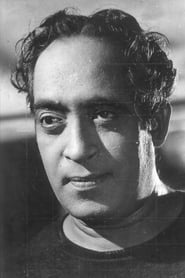
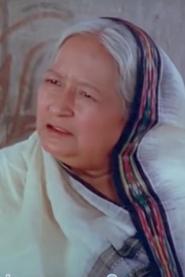
Through a series of flashbacks, the intertwining lives of the thief, the lawyer, and the thief's defense lawyer are illustrated. It stars Raj Kapoor along with his real-life father Prithviraj Kapoor, as well as Nargis, Leela Chitnis and K. Other members of the Kapoor family make an appearance, including Raj's youngest brother Shashi Kapoor, who plays the younger version of his character, and Prithiviraj's father Dewan Basheshwarnath Singh Kapoor, playing a cameo in his only film appearance. A petty thief is put on trial for the attempted murder of a lawyer.
Cast & crew
More films like this
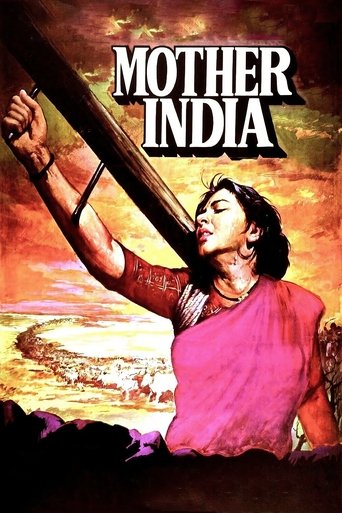
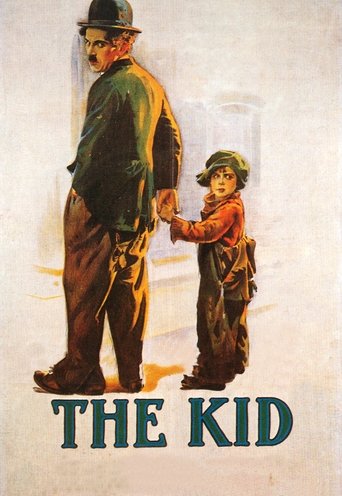
More Drama films
View all →







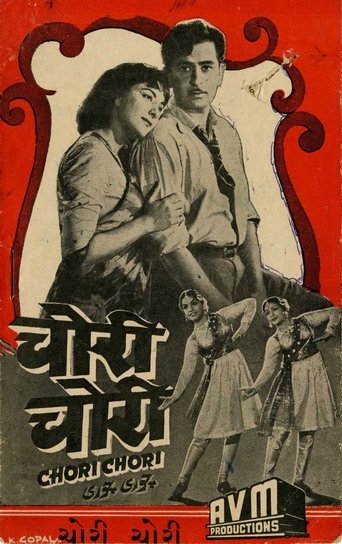
More from Raj Kapoor
View all →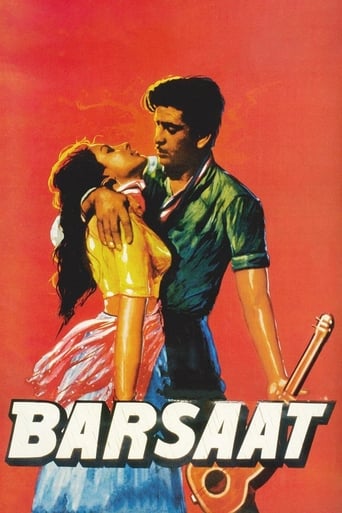

More about this film
About the production
Release dateAugust 14, 1951
Budget1.5 million rupees
Box officeMassive commercial success, ran for over 2 years in some theaters
ProductionR.K. Films
Filmed inMumbai (Bombay), India
Took 3 years to complete due to financial difficulties. Raj Kapoor mortgaged his family home to finish the project. The courtroom scene alone took 21 days to film. The dream sequence required innovative special effects for its time.
Themes
Nature versus nurtureClass struggle and social inequalityJustice and redemptionFather-son relationshipsImpact of childhood trauma
Themes & topics
Courtroom dramaFlashbacksSocial commentaryClass divisionFamily dramaRomanceCrime and punishmentRedemptionPovertyJustice systemChildhood traumaMistaken identity
Historical background
Made in 1951, in India, Awaara belongs to trial film filmmaking as studio systems and national cinemas competed for audiences. Awaara, also written Awāra and known overseas as The Vagabond, is a 1951 Indian crime drama film, produced and directed by Raj Kapoor, and written by Khwaja Ahmad Abbas and V.P.
Why this film matters
Within trial film history, 1951 film by Raj Kapoor; Sathe.; It stars Raj Kapoor along with his real-life father Prithviraj Kapoor, as well as Nargis, Leela Chitnis and K..
Making of
The production of Awaara was fraught with challenges that nearly bankrupted Raj Kapoor. He poured his personal fortune into the film, even mortgaging his family home when funds ran low. The film took three grueling years to complete, with Raj Kapoor's perfectionism causing numerous delays. The elaborate dream sequence featuring Raj in heaven required innovative special effects and took months to plan and execute. Nargis and Raj Kapoor's on-screen chemistry was so intense that their romantic scenes caused controversy in conservative 1950s India. The courtroom drama was meticulously rehearsed, with actors studying real court proceedings. Shankar-Jaikishan composed the music in record time, but the songs went through numerous revisions to achieve the perfect blend of Indian melody and Western orchestration. The film's social message about nature versus nurture was considered radical for its time, challenging deeply ingrained Indian beliefs about heredity and criminal behavior.
What critics said
Contemporary reviews of Awaara are sparse in open sources; later catalog entries chiefly summarize plot and credits.
Did you know?
- The film was banned in Pakistan for several years due to its depiction of a Muslim character (Jagga) as a villain
- It became one of the first Indian films to achieve massive international success, particularly in the Soviet Union where it drew 64 million viewers
- The song 'Awaara Hoon' became an international phenomenon and was reportedly sung by Mao Zedong
- Raj Kapoor consciously modeled his tramp character after Charlie Chaplin's Little Tramp
- Prithviraj Kapoor who played the judge was Raj Kapoor's real father, adding authenticity to their scenes
- The film was India's official entry for the Cannes Film Festival in 1953
- Raj Kapoor and Nargis began their love affair during the filming of this movie
- The film's success made Raj Kapoor the first Indian filmmaker with a genuine global following
- The famous dream sequence was technically groundbreaking for Indian cinema
- The film was shot simultaneously in Hindi and Tamil versions, though only the Hindi version survives completely
Awards & recognition
- National Film Award for Best Feature Film in Hindi (1952)
- Filmfare Award for Best Art Direction (Black and White) (1955)
- Filmfare Award for Best Editing (1955)
- Karlovy Vary International Film Festival - Best Actor (Raj Kapoor) (1952)
Visual style
Radhu Karmakar's cinematography was groundbreaking for Indian cinema, introducing techniques that were ahead of their time. The film employed dramatic low-angle shots in courtroom scenes to emphasize power dynamics, while the slum sequences used naturalistic lighting to create authentic atmosphere. The dream sequences featured innovative special effects and elaborate lighting designs that were revolutionary for Indian cinema. Karmakar used chiaroscuro lighting techniques inspired by film noir to create moral ambiguity in key scenes. The famous 'Awaara Hoon' sequence employed tracking shots and dynamic camera movement that set new standards for musical numbers in Indian cinema. The visual style successfully blended Hollywood influences with Indian aesthetic sensibilities, creating a unique visual language that would influence Indian cinematography for decades.
Innovations
Awaara pioneered several technical innovations in Indian cinema. The dream sequences used matte paintings and double exposure techniques that were unprecedented in Indian filmmaking. The film's editing, particularly in the courtroom scenes, employed cross-cutting techniques that were sophisticated for the time. The sound recording for musical numbers achieved clarity that set new standards for Indian cinema. The production values, particularly the set designs by M.R. Achrekar, created realistic urban and fantasy environments that elevated the visual storytelling. The film successfully integrated Western cinematic techniques with Indian storytelling traditions, creating a hybrid style that would influence Indian commercial cinema for generations. The special effects used in the heaven sequence were particularly innovative, requiring custom-built equipment and techniques developed specifically for the film.
Music
The soundtrack by Shankar-Jaikishan became and played a crucial role in the film's international success. 'Awaara Hoon' became a global phenomenon, translated and sung in numerous languages including Russian, Chinese, and Turkish. Other notable songs include 'Dum Bhar Jo Udhar Munh Phere,' 'Ghar Aaya Mera Pardesi,' and 'Tere Jukh Se.' The lyrics by Shailendra and Hasrat Jaipuri were praised for their poetic quality and social relevance, with 'Awaara Hoon' expressing the film's central theme of existential struggle. The music successfully blended Indian classical traditions with Western orchestral arrangements, creating a sound that appealed to both domestic and international audiences. The soundtrack's success was unprecedented, with records selling millions of copies worldwide and establishing the template for the Bollywood musical that would dominate Indian cinema for decades.
Famous quotes
'Awaara hoon, ya gardish mein hoon, aasmaan ka tara hoon, aar-paar hoon' - The iconic opening line of the title song expressing the protagonist's existential state
'Jab tak jeevan hai, tab tak sangharsh hai' - 'As long as there is life, there is struggle' - reflecting the film's philosophy of perseverance
'Kanoon andha hota hai, lekin insaan nahi' - 'The law is blind, but humans are not' - from the courtroom climax
'Main chor hoon, lekin mera dil chor nahi hai' - 'I am a thief, but my heart is not a thief' - Raj's defense of his moral character
'Bachpan ki galtiyan, jawani mein saza deti hain' - 'Childhood mistakes punish in youth' - reflecting the film's central theme
Memorable scenes
- The dream sequence where Raj imagines himself in heaven, featuring elaborate sets, special effects, and the song 'Ghar Aaya Mera Pardesi'
- The emotional courtroom climax where the truth about Raj's parentage is dramatically revealed
- The 'Awaara Hoon' song sequence showing Raj's life as a vagabond through various urban landscapes
- The confrontation scene between father and son in the jail cell, filled with raw emotion and dramatic tension
- The childhood sequences showing young Raj's struggles in the slums after being abandoned
- The final scene where justice is served and the family is reunited, providing emotional catharsis
What audiences thought
Awaara was a phenomenal commercial success that broke box office records across India. The film ran for over two years in some theaters, with audiences returning multiple times to watch it. Viewers were deeply moved by the father-son relationship and Raj's struggle for redemption, with many reporting emotional breakdowns during the courtroom climax. The film's songs became cultural anthems, with 'Awaara Hoon' being sung in homes across the subcontinent. In international markets, the reception was unprecedented; Soviet audiences embraced it wholeheartedly, making Raj Kapoor a household name. In China, the film became so popular that 'Awaara' became a common nickname for Indian people. The film's emotional core and universal themes of love, family, and redemption resonated across cultural boundaries, making it perhaps the most internationally successful Indian film of the 20th century until the globalization of Bollywood in the 2000s.
Film connections
Influenced by
- Charlie Chaplin's 'The Kid' and 'City Lights'
- Hollywood courtroom dramas
- Film noir
- German expressionism
- Italian neorealism
- Bengali social cinema
- Hollywood musicals
This film influenced
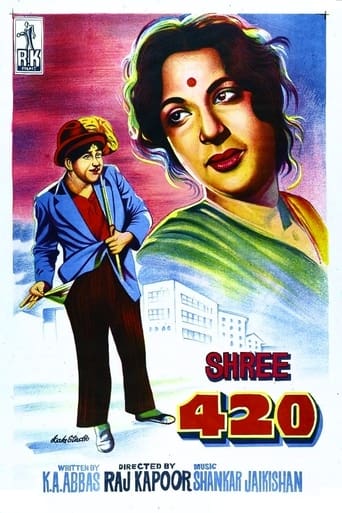
- Shree 420 (1955)
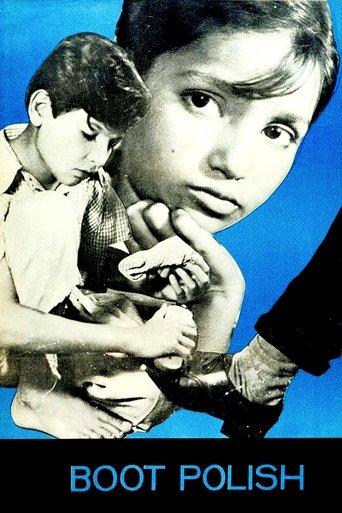
- Boot Polish (1954)
- Mother India (1957)
- Deewar (1975)
- Muqaddar Ka Sikandar (1978)
- Agneepath (1990)
- Slumdog Millionaire (2008)
Film restoration
The film has been preserved by the National Film Archive of India and underwent digital restoration in the 1990s for its 40th anniversary. While some original negatives have deteriorated over time, good quality prints exist in various archives worldwide including the British Film Institute. The film is considered part of India's cinematic heritage and has been digitized for preservation purposes. Multiple versions exist including the original Hindi cut and various international versions with different running times. Some scenes from the original release have been lost, but the core narrative remains intact in preserved versions.
Where to watch
- YouTube (official R.K. Films channel)
- Amazon Prime Video
- Netflix (in some regions)
- MUBI
- Criterion Channel
- DVD and Blu-ray from various distributors
- Film archives and museums occasionally screen restored versions