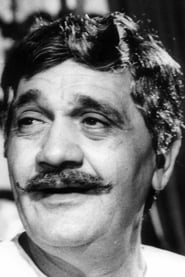
Om Prakash
Actor
Born: December 19, 1919 in Lahore, British India (now Pakistan) Died: February 21, 1998 Active: 1942-1988 Birth Name: Om Prakash Chibber
Films
4 films
About Om Prakash
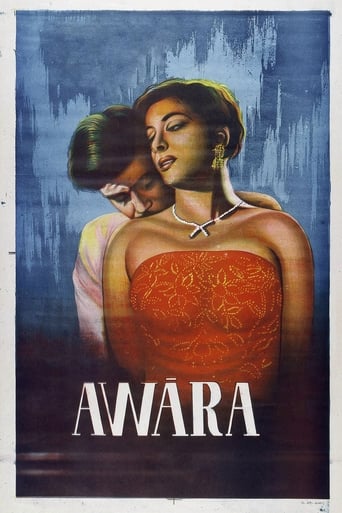
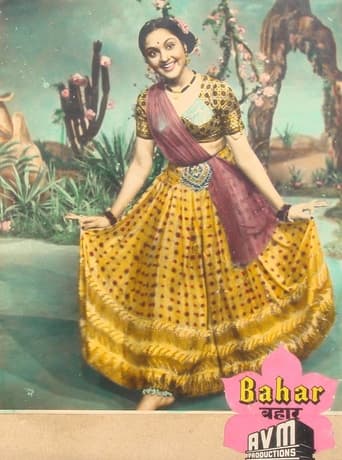
Om Prakash was one of Indian cinema's most beloved character actors and comedians, whose over four decades from the 1940s to the 1980s. Born in Lahore in 1919, he began his career in radio before transitioning to films, quickly establishing himself as a versatile performer capable of both comic and dramatic roles. His breakthrough came in the early 1950s with memorable performances in classics like 'Awaara' (1951), where he played the judge, and 'Bahar' (1951), showcasing his ability to bring depth to supporting characters. Throughout his career, he appeared in over 300 films, working with virtually every major star of Hindi cinema including Raj Kapoor, Dev Anand, and Amitabh Bachchan. Prakash was particularly renowned for his distinctive voice, perfect comic timing, and the ability to make even minor characters memorable. He successfully transitioned from playing young romantic leads in his early career to becoming one of Bollywood's most respected character actors, often portraying the stern but loving father figure. His contributions to Indian cinema were recognized with numerous awards, and he remains remembered as one of the industry's most reliable and talented supporting actors.
The Craft
On Screen
Om Prakash was known for his naturalistic acting style combined with impeccable comic timing. He had a unique ability to switch between comedy and drama seamlessly, often bringing emotional depth to seemingly simple characters. His distinctive baritone voice and expressive eyes made him instantly recognizable, while his background in radio helped him master dialogue delivery. He specialized in playing the stern but benevolent father figure, the comic relief character, or the concerned family elder, always bringing authenticity and warmth to his roles.
Milestones
- Film debut with 'Dhamki' (1942)
- Breakthrough role in 'Awaara' (1951)
- Established as leading character actor in 1950s
- Successful transition to father roles in 1970s
- Received Filmfare Best Comedian Award
- Completed over 300 films in career
- Worked with three generations of Bollywood stars
Best Known For
Iconic Roles
Must-See Films
Accolades
Won
- Filmfare Award for Best Comedian for 'Chupke Chupke' (1975)
- Filmfare Award for Best Comedian for 'Gol Maal' (1979)
Nominated
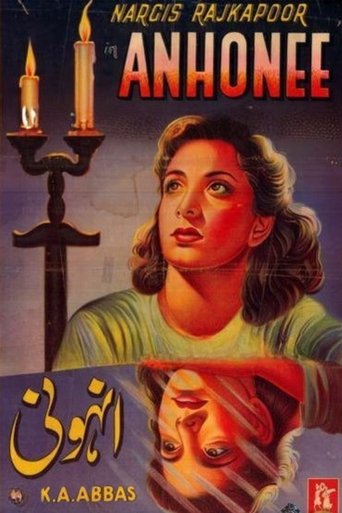
- Filmfare nomination for Best Supporting Actor for 'Anhonee' (1952)
- Multiple Filmfare nominations for Best Comedian throughout 1970s
Special Recognition
- Recognized as one of Indian cinema's most prolific character actors
- Posthumously honored in film retrospectives
- Remembered as part of Bollywood's golden generation of supporting actors
Working Relationships
Worked Often With
Studios
Why They Matter
Impact on Culture
Om Prakash significantly shaped the archetype of the Indian father figure in cinema, creating a template that influenced generations of actors. His performances helped establish the importance of strong supporting characters in Bollywood narratives, proving that well-written secondary roles could elevate entire films. He contributed to the golden age of Indian cinema by providing reliable, high-quality performances that anchored many classic films. His work in comedy helped legitimize comedic acting as a serious art form in Indian cinema, moving beyond slapstick to nuanced, character-driven humor.
Lasting Legacy
Om Prakash's legacy endures through his vast body of work that continues to be celebrated in film festivals and retrospectives. He is remembered as one of Bollywood's most dependable character actors who could elevate any film with his presence. His influence can be seen in the work of contemporary character actors who strive to bring the same depth and authenticity to supporting roles. Many of his films remain classics of Indian cinema, and his performances are studied by acting students for their technical excellence and emotional resonance.
Who They Inspired
Om Prakash influenced generations of Indian actors by demonstrating the importance of character acting in commercial cinema. His natural style inspired many to move away from theatrical acting toward more realistic performances. Younger comedians studied his timing and delivery, while character actors emulated his ability to make supporting roles memorable. His success paved the way for other character actors to receive recognition and awards in an industry traditionally focused on leads.
Off Screen
Om Prakash led a relatively private personal life despite his public fame. He was married and had children who maintained their distance from the film industry. He was known for his disciplined lifestyle and dedication to his craft, often preparing extensively for even minor roles. Friends and colleagues remembered him as a warm, generous person who was always willing to help newcomers in the industry. He maintained strong friendships with many of his co-stars and was particularly close to Raj Kapoor, with whom he worked in multiple films.
Education
Educated in Lahore before partition; studied at Government College, Lahore
Family
- Prakash Devi (married until his death in 1998)
Did You Know?
- Started his career as a radio announcer in Lahore
- Initially wanted to become a singer before turning to acting
- Appeared in over 300 films in his 46-year career
- Was one of the few actors to successfully work with three generations of Bollywood stars
- His distinctive voice made him a popular choice for narration in films
- Never learned to drive despite his fame and success
- Was known for his punctuality and professionalism on sets
- Often improvised his comic scenes, leading to some of cinema's most memorable moments
- Maintained the same acting style throughout his career, adapting it to changing times
- Was offered lead roles early in his career but preferred character parts
In Their Own Words
Acting is not about becoming someone else, it's about finding yourself in different situations
A character actor's job is to make the hero look better while still shining in your own space
Comedy is serious business - one wrong timing and the whole scene falls flat
In my time, we didn't have method acting, we had honest acting
Frequently Asked Questions
Who was Om Prakash?
Screen credits include over 300 films from the 1940s to 1980s. He was known for his versatile performances in both comic and dramatic roles, particularly as father figures and stern but loving patriarchs in Bollywood cinema.
When was Om Prakash born and when did he die?
Born December 19, 1919; died February 21, 1998.
What awards did Om Prakash win?
Om Prakash won two Filmfare Awards for Best Comedian for 'Chupke Chupke' (1975) and 'Gol Maal' (1979). He received several nominations throughout his career and was recognized as one of Indian cinema's most prolific and talented character actors.
What was Om Prakash's acting style?
Om Prakash was known for his naturalistic acting style with impeccable comic timing. He brought authenticity and emotional depth to his characters, whether in comic or dramatic roles. His distinctive baritone voice, expressive eyes, and ability to switch between comedy and drama made him one of Bollywood's most versatile character actors.