

Shikast
"After a seven year absence, Dr"
Keys: Space play/pause · ←/→ 10s · F fullscreen · M mute · </> speed
About this film
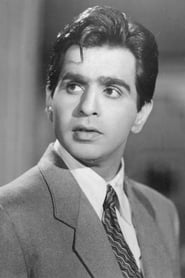
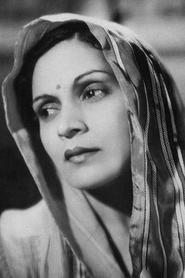
After a seven year absence, Dr. Ram Singh returns to his village intending to sell his land and go back to the city. He finds that the peasants are being mistreated by the local landlord and the landlord's sister, Sushma.
Cast & crew
More films like this
More Drama films
View all →







More about this film
About the production
Release date1953
BudgetNot publicly documented
Box officeBox office figures not available for this period
ProductionFilmistan Studios
Filmed inBombay (Mumbai), India
Shikast was produced during the golden era of Indian cinema when social themes were gaining prominence. The film was shot at Filmistan Studios, one of the leading production houses of the 1950s. Director Ramesh Saigal was known for his socially relevant films and this project continued his tradition of addressing important societal issues. The production faced the typical challenges of the era including limited technical resources but benefited from the experienced crew at Filmistan.
Themes
Social JusticeClass ConflictRural-Urban DivideLand ReformIndividual vs System
Themes & topics
Historical background
Postwar screen culture in 1953 faced television competition, shifting star systems, and new international co-production models.
Why this film matters
Shikast remains part of the screen heritage of its era, offering evidence of prevailing genres, production methods, and audience tastes. Later revivals, archive screenings, and digitization have kept such titles accessible to researchers and dedicated viewers long after their first commercial runs.
Making of
The making of Shikast reflected the changing landscape of Indian cinema in the early 1950s. Director Ramesh Saigal was particularly passionate about social themes and worked closely with the writers to ensure the film's message was powerful and authentic. Dilip Kumar, known for his method acting approach, reportedly spent time researching the role of a doctor returning to rural India to bring authenticity to his performance. The production team at Filmistan Studios was well-versed in handling socially relevant themes, having produced several successful films in this genre. The filming took place during a period when Indian cinema was transitioning from pure entertainment to more meaningful content, and Shikast was at the forefront of this movement.
What critics said
Reception records for Shikast are uneven; interest today is concentrated among archivists, historians, and viewers of older cinema. Modern assessment tends to emphasize historical value, craft, and cultural context rather than box-office performance.
Did you know?
- Dilip Kumar was at the peak of his career in 1953, having delivered several hits in previous years
- The film's title 'Shikast' translates to 'Defeat' in English, symbolizing the defeat of oppression
- Ramesh Saigal and Dilip Kumar had previously collaborated on the successful film 'Shaheed' (1948)
- The film was one of the early examples of cinema addressing landlord-tenant conflicts in rural India
- Nalini Jaywant was one of the leading actresses of the early 1950s, known for her strong performances
- The film's release coincided with India's early post-independence period when social reform was a major theme
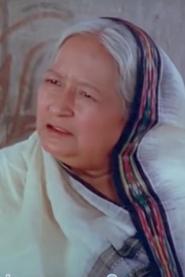
- Durga Khote, a veteran actress, played a supporting role that added gravitas to the production
- The film's music was composed by the duo Shankar-Jaikishan, who were rising stars in Bollywood music
- Cinematography was handled by Dwarka Divecha, who later worked on many classic films
- The film was part of a wave of socially conscious cinema that emerged in early 1950s Bollywood
Awards & recognition
- Filmfare Award for Best Actor - Dilip Kumar (nominated)
Visual style
The cinematography by Dwarka Divecha employed the dramatic lighting techniques characteristic of 1950s Indian cinema, using high contrast lighting to emphasize the moral conflict between good and evil. The rural sequences were shot with a realistic approach, avoiding the romanticized portrayal of village life that was common in earlier films. Divecha used wide shots effectively to establish the power dynamics between the landlord and peasants, while close-ups were employed strategically during emotional confrontations. The film's visual style balanced the gritty realism of the social drama with the polished look expected of mainstream cinema of that era. The camera work during the confrontation scenes was particularly noteworthy for its ability to build tension without resorting to melodramatic techniques.
Innovations
While Shikast did not introduce groundbreaking technical innovations, it demonstrated sophisticated use of available technology for its time. The film employed effective sound recording techniques that ensured clear dialogue delivery during crucial dramatic scenes. The editing by Prabhakar Kapur maintained a steady pace that balanced the social message with entertainment elements. The production design successfully created an authentic rural atmosphere while maintaining the polished look expected of a Filmistan production. The film's makeup and costume design effectively distinguished between the different social classes depicted in the story. The technical team's ability to create a believable rural setting within studio constraints was particularly noteworthy, given the limitations of location shooting in that era.
Music
The music for Shikast was composed by the duo Shankar-Jaikishan, with lyrics by Shailendra and Hasrat Jaipuri. The soundtrack featured several memorable songs that blended classical Indian melodies with contemporary arrangements. The songs served both as entertainment and as narrative devices, advancing the story and revealing character motivations. Notable tracks included romantic numbers that showcased Dilip Kumar and Nalini Jaywant's chemistry, as well as folk-inspired songs that reflected the rural setting. The background score effectively enhanced the dramatic moments without overwhelming the performances. The music was well-received and contributed significantly to the film's overall impact, with some songs remaining popular in radio playlists for years after the film's release.
Famous quotes
Jab insaan ki awaaz dabbi jaati hai, toh woh khoon ki tarah bahar nikal aati hai
Zameer ki awaaz kabhi buri nahi hoti
Insaan ki seva hi bhagwan ki seva hai
Jab haq baat karta hai, toh awaaz mein dum hota hai
Kisaan ka seena zameen se juda hai, aur iska rishta kabhi nahi toota
Memorable scenes
- The powerful confrontation scene where Dr. Ram Singh faces the landlord for the first time, refusing to sell his land after witnessing the peasants' suffering
- The emotional sequence where Ram Singh decides to stay in the village and abandon his city plans
- The climactic scene where the united villagers stand up against the landlord's oppression
- The touching moment when Ram Singh treats poor villagers without charge, establishing his commitment to social justice
What audiences thought
Shikast was well-received by audiences upon its release, particularly for its engaging storyline and powerful performances. The film resonated strongly with viewers who could relate to the rural-urban divide and the social issues it portrayed. Dilip Kumar's fan following contributed significantly to the film's commercial success, with many theaters reporting full houses during the first weeks of release. The emotional journey of the protagonist struck a chord with audiences who were witnessing similar social changes in post-independence India. While not as commercially spectacular as some of Dilip Kumar's other films from this period, Shikast maintained steady business and was particularly successful in smaller cities and towns where the rural themes were more relatable.
Film connections
Influenced by
- Do Bigha Zamin (1953)
- Shaheed (1948)
- Awara (1951)
- Mother India (1957)
This film influenced
- Ganga Jumna (1961)
- Upkar (1967)
- Ankush (1986)
- Peepli Live (2010)
Film restoration
The film exists in archived form at the National Film Archive of India, though complete restoration work may be needed. Some copies are available in private collections and with film enthusiasts. The film occasionally appears in classic cinema festivals and retrospectives.
Where to watch
- YouTube (some clips may be available)
- Classic Indian cinema streaming platforms
- Film archive screenings
- Private collector screenings
- Bollywood classic movie channels