
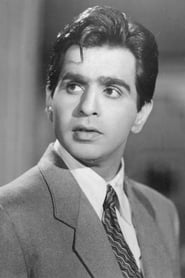
Dilip Kumar
Actor
Born: December 11, 1922 in Peshawar, British India (now Pakistan) Died: July 7, 2021 Active: 1944-1998 Birth Name: Muhammad Yusuf Khan
Films
8 films
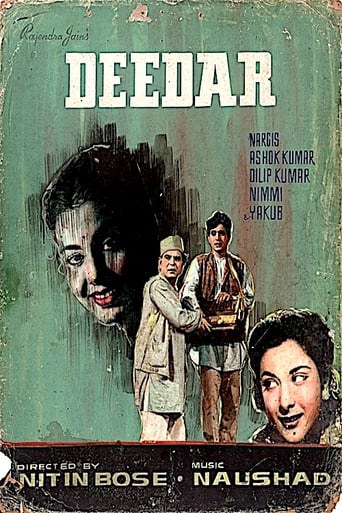

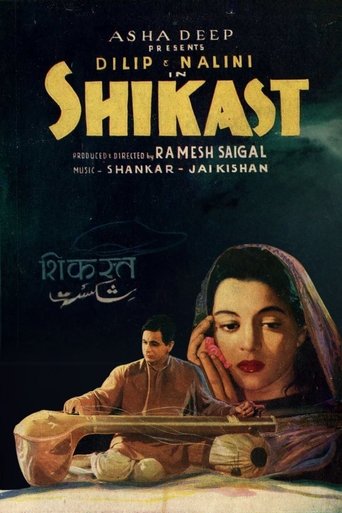
About Dilip Kumar
Dilip Kumar, born Muhammad Yusuf Khan, was actors in Indian cinema history, often referred to as the 'Tragedy King' of Bollywood. He began his illustrious career in 1944 with 'Jwar Bhata' but rose to prominence in the late 1940s with films like 'Jugnu' (1947). Kumar revolutionized Indian acting by introducing method acting techniques, bringing unprecedented psychological depth and realism to his performances. He became the highest-paid actor of his era and starred in numerous timeless classics including 'Devdas' (1955), 'Madhumati' (1958), and the epic 'Mughal-e-Azam' (1960). His over five decades, during which he won eight Filmfare Awards for Best Actor, a record that stood for decades. Beyond acting, he served as a Member of Parliament in the Rajya Sabha from 2000 to 2006 and received India's highest civilian honors. He married actress Saira Banu in 1966, and their marriage lasted 55 years until his death in 2021 at the age of 98.
The Craft
On Screen
Dilip Kumar revolutionized Indian cinema with his method acting approach, bringing unprecedented psychological depth and realism to his performances. He was known for his intense preparation for roles, often living as the character for weeks before filming. His performances were characterized by subtle facial expressions, controlled body language, and an ability to convey complex emotions through minimal gestures. He specialized in portraying tragic heroes, mastering the art of conveying inner turmoil and emotional conflict through his eyes and voice modulation. His naturalistic style stood in stark contrast to the theatrical performances common in Indian cinema of his era, setting new standards for screen acting.
Milestones
- First Indian actor to win Filmfare Award for Best Actor (1954)
- Pioneered method acting in Indian cinema
- Starred in the epic 'Mughal-e-Azam' (1960)
- Became highest-paid Indian actor of the 1950s
- Received Dadasaheb Phalke Award (1994)
- Served as Member of Parliament, Rajya Sabha (2000-2006)
- Awarded Padma Vibhushan (2015)
Best Known For
Iconic Roles
Must-See Films
Accolades
Won
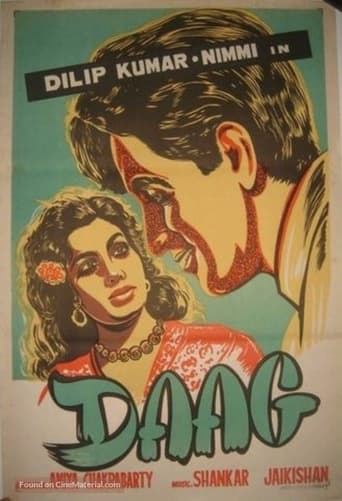
- Filmfare Award for Best Actor for 'Daag' (1953)
- Filmfare Award for Best Actor for 'Azaad' (1955)
- Filmfare Award for Best Actor for 'Devdas' (1956)
- Filmfare Award for Best Actor for 'Madhumati' (1959)
- Filmfare Award for Best Actor for 'Yahudi' (1959)
- Filmfare Award for Best Actor for 'Ganga Jamuna' (1962)
- Filmfare Award for Best Actor for 'Leader' (1965)
- Filmfare Award for Best Actor for 'Ram Aur Shyam' (1968)
- Filmfare Award for Best Actor for 'Shakti' (1982)
- Filmfare Lifetime Achievement Award (1993)
- Dadasaheb Phalke Award (1994)
- Padma Bhushan (1991)
- Padma Vibhushan (2015)
Nominated
- Filmfare nominations for 'Andaz' (1949)
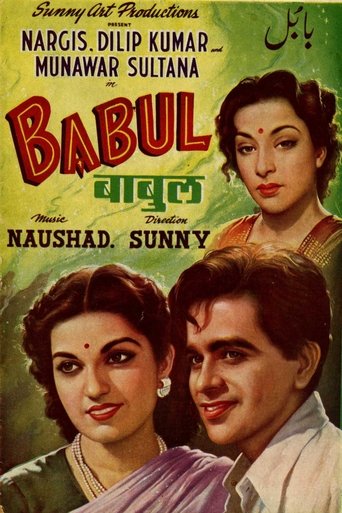
- Filmfare nomination for 'Babul' (1951)
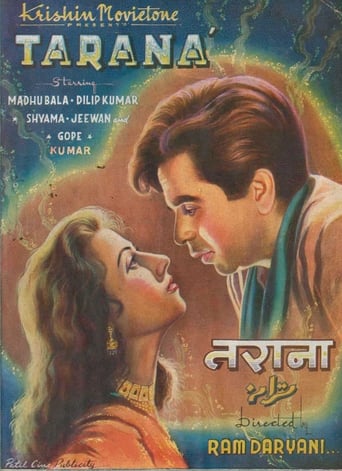
- Filmfare nomination for 'Tarana' (1952)
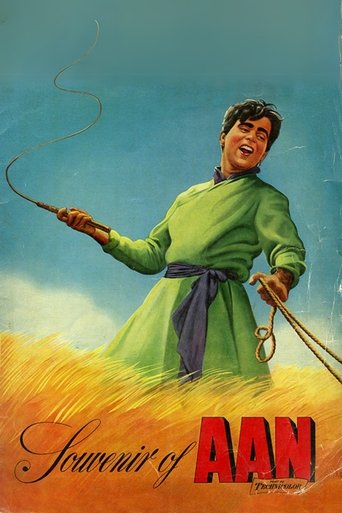
- Filmfare nomination for 'Aan' (1953)
- Filmfare nomination for 'Insaniyat' (1956)
- Filmfare nomination for 'Sangdil' (1953)
- Filmfare nomination for 'Kohinoor' (1961)
- Filmfare nomination for 'Mughal-e-Azam' (1961)
Special Recognition
- Dadasaheb Phalke Award (India's highest award in cinema)
- Padma Vibhushan (India's second-highest civilian award)
- Padma Bhushan (India's third-highest civilian award)
- Filmfare Lifetime Achievement Award
- Member of Parliament, Rajya Sabha (2000-2006)
Working Relationships
Worked Often With
Studios
Why They Matter
Impact on Culture
Dilip Kumar fundamentally transformed Indian cinema by introducing method acting techniques and bringing unprecedented realism to screen performances. His portrayal of complex, psychologically nuanced characters established a new paradigm for male leads in Bollywood, moving away from theatrical performances to more subtle, authentic acting. He was instrumental in elevating the artistic credibility of Indian cinema globally, with his films being showcased at international film festivals and earning critical acclaim worldwide. His work influenced the evolution of Indian film narrative structure, emphasizing character-driven stories and emotional depth. Kumar's success also helped establish the star system in Bollywood, setting new standards for professionalism, dedication, and artistic integrity in the industry.
Lasting Legacy
Dilip Kumar's legacy as one of cinema's greatest actors remains unparalleled in Indian film history. He is remembered as the 'Shahenshah of Bollywood' who revolutionized acting techniques and set new benchmarks for performance quality. His films continue to be studied in film schools as masterclasses in method acting and character development. He received India's highest civilian honors, including the Padma Vibhushan, cementing his status as a national treasure. His autobiography 'The Substance and the Shadow' provides insights into his craft and the golden era of Indian cinema. Even decades after his prime, his influence persists in contemporary cinema, with modern actors citing him as their primary inspiration. His marriage to Saira Banu became iconic, representing one of Bollywood's most enduring love stories.
Who They Inspired
Dilip Kumar's method acting approach revolutionized Indian cinema and influenced generations of actors who followed. His techniques of character preparation, emotional authenticity, and naturalistic performance became the gold standard in Bollywood. Actors like Amitabh Bachchan, who worked with him in 'Shakti' (1982), have openly acknowledged Kumar's profound influence on their craft. International actors including Marlon Brando reportedly admired his work, making him one of the first Indian actors to gain global recognition for his acting methodology. His influence extends beyond acting to film direction, with directors studying his performances to understand character development and emotional storytelling. Kumar's work bridged the gap between Indian and international cinema, demonstrating that Indian actors could achieve global standards of performance excellence.
Off Screen
Dilip Kumar led a relatively private personal life despite his massive stardom. He married actress Saira Banu in 1966, who was 22 years his junior, and their marriage became one of Bollywood's most enduring relationships, lasting 55 years until his death. He had a brief earlier marriage to Asma Rehman from 1943-1945 that ended in divorce. He had two children from his first marriage who unfortunately passed away young. Kumar was known for his intellectual pursuits, love for reading, and writing. He served as a Member of Parliament representing the Indian National Congress from 2000 to 2006. Despite his fame, he maintained a humble lifestyle and was respected for his integrity and social consciousness.
Education
Attended Barnes School in Deolali, Nashik district, Maharashtra; completed schooling at local schools in Peshawar
Family
- Asma Rehman (1943-1945, divorced)
- Saira Banu (1966-2021)
Did You Know?
- Discovered by actress Devika Rani while working at a canteen
- Was offered a role in 'Lawrence of Arabia' but declined
- First Indian actor to charge Rs. 1 lakh per film
- Fluent in Hindi, Urdu, English, Pashto, and Punjabi
- Formed legendary trio with Raj Kapoor and Dev Anand
- Initially wanted to be a cricketer and football player
- Known for his punctuality - never late for a shoot
- Wrote autobiography 'The Substance and the Shadow' in 2014
- Was a close friend of Pakistani Prime Minister Zulfikar Ali Bhutto
- His performance in 'Devdas' is considered one of cinema's greatest tragic portrayals
- Turned down the role of Sherif Ali in 'Lawrence of Arabia' (1962)
- Was offered the role of the grandfather in 'Munna Bhai M.B.B.S.' but declined
In Their Own Words
Acting is not about being someone different. It's finding the similarity in what is apparently different, then finding myself in there.
I never planned to become an actor. It just happened.
Cinema is a mirror by which we often see ourselves.
Success is not the key to happiness. Happiness is the key to success.
An actor's job is to interpret the writer's vision and the director's vision, and bring it to life.
I have always believed that the camera is a very honest instrument.
The tragedy of my life is that I cannot do anything except act.
Frequently Asked Questions
Who was Dilip Kumar?
Dilip Kumar, born Muhammad Yusuf Khan, was one of the greatest actors in Indian cinema history, known as the 'Tragedy King' of Bollywood. He revolutionized Indian acting by introducing method acting techniques and starred in numerous classic films from the 1940s through the 1990s. He received India's highest civilian honors and remains a cultural icon whose influence spans generations of actors.
What films is Dilip Kumar best known for?
Titles linked here include Mughal-e-Azam (1960), Devdas (1955).
When was Dilip Kumar born and when did he die?
Born December 11, 1922; died July 7, 2021.
What awards did Dilip Kumar win?
Dilip Kumar won eight Filmfare Awards for Best Actor, a record that stood for decades, along with the Filmfare Lifetime Achievement Award. He received India's highest honors including the Dadasaheb Phalke Award (1994), Padma Bhushan (1991), and Padma Vibhushan (2015). His contributions to cinema were recognized both nationally and internationally throughout his career.
What was Dilip Kumar's acting style?
Dilip Kumar pioneered method acting in Indian cinema, bringing unprecedented psychological depth and realism to his performances. He was known for intense character preparation, subtle facial expressions, and the ability to convey complex emotions through minimal gestures. His naturalistic style stood in contrast to the theatrical performances common in his era, setting new standards for screen acting in Bollywood.
How did Dilip Kumar influence Indian cinema?
Dilip Kumar transformed Indian cinema by introducing method acting and elevating the artistic standards of film performance. He influenced generations of actors from Amitabh Bachchan to Shah Rukh Khan, established new benchmarks for professionalism, and helped Indian cinema gain international recognition. His work bridged the gap between Indian and global cinema, demonstrating that Indian actors could achieve world-class performance standards.
Was Dilip Kumar married?
Dilip Kumar married actress Saira Banu in 1966, and their marriage lasted 55 years until his death in 2021, becoming one of Bollywood's most enduring relationships. He had a brief earlier marriage to Asma Rehman from 1943-1945 that ended in divorce. He had two children from his first marriage who unfortunately passed away young.