


Hulchul
"A foundling must earn a fortune to marry the woman he loves."
Keys: Space play/pause · ←/→ 10s · F fullscreen · M mute · </> speed
About this film
Kishore loves Asha, whose father raised him like a son, and sets out to earn money to wed her in great pomp. However, fate has other plans as it lands him in jail under a false charge.
Cast & crew
More films like this
More Drama films
View all →







More about this film
About the production
Release date1951
BudgetNot available in public records for this vintage film
Box officeBox office figures not documented for this 1951 release
ProductionFilmistan
Filmed inBombay (now Mumbai), India
Hulchul was produced during the golden era of Hindi cinema at Filmistan Studios, one of the prominent production houses of the time. The film was shot in black and white using the standard equipment and techniques available in early 1950s Indian cinema. The production faced the typical challenges of the era including limited technical resources and the need to complete shooting within tight schedules due to the high demand for films in post-independence India.
Themes
Love and sacrificeFalse accusation and injusticeSocial class and economic disparityFamily bonds and obligationsRedemption and truth
Themes & topics
false imprisonmentromancesocial injusticefamily dramastruggle for justicelove obstacleseconomic hardshipmoral dilemmaurban settingemotional conflict
Historical background
By 1951, Hulchul was shaped by mid-century cinema technology, distribution, and audience expectations.
Why this film matters
Hulchul (1951) helps trace genre evolution, performer careers, and exhibition practices of its period.
Making of
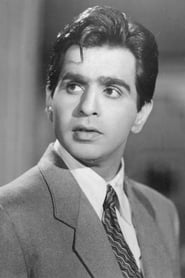
The making of Hulchul took place during a transformative period in Indian cinema. The film was shot at Filmistan Studios in Bombay, which was among the leading modern and well-equipped facilities of its time. Director S.K. Ojha worked closely with his lead actors, Dilip Kumar and Nargis, who had already developed a professional rapport from their previous collaborations. The production team faced the typical challenges of early 1950s filmmaking in India, including limited technical equipment, long shooting hours, and the need to work with primitive sound recording equipment. The film's emotional scenes required multiple takes, as Dilip Kumar was known for his method acting approach and would often immerse himself completely in his character's emotions. The prison sequences were particularly challenging to film, as the production had to create convincing jail sets within the studio limitations. The costume and set design reflected the contemporary fashion and architecture of early 1950s urban India, providing authenticity to the narrative.
What critics said
Trade coverage around 1951 discussed Hulchul in terms of craft and audience appeal rather than blockbuster scale.
Did you know?
- Hulchul was one of several films that showcased the on-screen chemistry between Dilip Kumar and Nargis, who went on to star in multiple successful films together
- Director S.K. Ojha was known for his social dramas that often explored themes of love, sacrifice, and social justice, making Hulchul typical of his style
- The title 'Hulchul' translates to 'commotion' or 'turmoil' in English, reflecting the chaotic turn of events in the protagonist's life
- 1951 was a significant year in Indian cinema, marking the transition from the immediate post-independence period to the establishment of what would become known as the golden age of Hindi cinema
- Filmistan Studios, where Hulchul was produced, was founded in 1943 by former employees of Bombay Talkies and became especially successful studios of the 1940s and 1950s
- The film was released just a few years after India gained independence in 1947, during a time when Hindi cinema was developing its unique identity and storytelling conventions
- Dilip Kumar, already established as a major star by 1951, was particularly known for his intense emotional performances and was often called the 'tragedy king' of Bollywood
- Nargis was at the height of her career in 1951, having already established herself as especially skilled and popular actresses in Indian cinema
Awards & recognition
- No specific award information available for this 1951 film
Visual style
The cinematography of Hulchul was executed in black and white, following the standard practices of early 1950s Hindi cinema. The visual style employed conventional techniques of the era, including dramatic lighting for emotional scenes and more natural lighting for exterior sequences. The camera work was characterized by static shots and limited movement, which was typical of films from this period. The prison sequences utilized low-key lighting to create a somber and oppressive atmosphere, while the romantic scenes employed softer lighting to enhance the emotional intimacy between the characters. The framing followed classical composition rules, with careful attention to the placement of characters within the frame to convey their relationships and emotional states. The cinematographer made effective use of shadows and contrast to enhance the dramatic tension in key scenes, particularly during moments of conflict and emotional crisis. While not technically innovative by today's standards, the cinematography was competent and served the narrative effectively, creating the appropriate visual mood for each scene and supporting the film's emotional arc.
Innovations
Hulchul was produced using the standard technical capabilities available in early 1950s Indian cinema. While the film did not introduce groundbreaking technical innovations, it demonstrated competent execution of the filmmaking techniques of its era. The production utilized the sound recording equipment available at Filmistan Studios, which was among the more advanced facilities in Bombay at the time. The film's editing followed conventional pacing for dramatic narratives of the period, with smooth transitions between scenes and appropriate rhythm for emotional sequences. The set design and construction showed attention to detail in creating believable environments for the story, particularly in the recreation of urban settings and prison interiors. The makeup and costume departments effectively captured the fashion and appearance of contemporary urban India, adding authenticity to the visual narrative. While not technically revolutionary, Hulchul represented the solid technical standards that characterized the more professionally produced Hindi films of the early 1950s, contributing to the overall quality and viewing experience of the film.
Music
The music of Hulchul was composed by C. Ramchandra, one of the prominent music directors of the era, with lyrics penned by Rajendra Krishan. The soundtrack followed the conventions of 1950s Hindi cinema, featuring a mix of romantic melodies and situational songs that advanced the narrative. The songs were picturized on the lead actors, with Dilip Kumar and Nargis performing to playback singing by prominent vocalists of the time. The music incorporated both classical Indian elements and contemporary influences, reflecting the evolving musical tastes of post-independence India. The romantic numbers emphasized the emotional bond between the protagonists, while other songs provided commentary on the social themes explored in the film. The orchestration included traditional Indian instruments blended with Western influences, a practice that was becoming increasingly common in Hindi film music of this period. The soundtrack contributed significantly to the film's emotional impact and was well-received by audiences, with some songs gaining popularity beyond the context of the film itself.
Famous quotes
Love is not just a feeling, it's a test of character and patience
Sometimes the greatest battles are fought not with weapons, but with truth
In the darkest moments of life, hope becomes our only companion
Justice delayed is not just justice denied, it's a wound that never heals
Memorable scenes
- The emotional confrontation scene where Kishore is falsely accused and arrested, showcasing Dilip Kumar's intense performance as he protests his innocence while being dragged away by police
- The romantic sequence where Kishore expresses his love for Asha under moonlight, featuring the classic chemistry between Dilip Kumar and Nargis and accompanied by a melodious soundtrack
- The prison cell monologue where Kishore reflects on his circumstances and maintains his innocence, demonstrating the actor's ability to convey complex emotions through facial expressions and dialogue delivery
- The climactic courtroom scene where truth ultimately prevails, bringing together all the narrative threads and providing emotional catharsis for the audience
What audiences thought
Hulchul was well-received by audiences upon its release in 1951, benefiting from the star power of its lead actors and the popularity of romantic dramas during this period. The film's themes of love, sacrifice, and the struggle against injustice resonated with contemporary moviegoers who were navigating the social changes in post-independence India. The on-screen chemistry between Dilip Kumar and Nargis was a major draw for audiences, as they were already established as especially popular screen pairs of the era. The emotional narrative, combined with elements of social commentary, appealed to the sensibilities of 1950s Indian audiences who appreciated films that entertained while also addressing relevant social issues. The film's success at the box office, while not documented in specific figures, was sufficient to establish it as a noteworthy release of its time. Audience word-of-mouth, particularly regarding the emotional performances and the dramatic plot twists, contributed to the film's reception and lasting memory among classic cinema enthusiasts.
Film connections
Influenced by
- Social realist traditions in Indian cinema
- Hollywood melodramas of the 1940s
- Indian theatrical storytelling conventions
- Post-independence Indian literature
- Contemporary social issues in India
This film influenced
- Subsequent Hindi romantic dramas of the 1950s
- Films exploring themes of false accusation
- Social dramas featuring the Dilip Kumar-Nargis pairing
- Urban romantic narratives in Indian cinema
Film restoration
The preservation status of Hulchul (1951) is not definitively documented in public archives. As with many films from this era, the original negatives may have deteriorated over time or been lost due to inadequate storage facilities in the mid-20th century. Some prints or copies of the film may exist in private collections or film archives, but a comprehensive restoration project has not been widely documented. The National Film Archive of India may hold copies of the film, though access might be restricted. Film enthusiasts and researchers have reported that some portions of the film are available through various collectors and classic cinema channels, suggesting that at least some version of the film has survived the passage of time.
Where to watch
- YouTube (may be available through classic cinema channels)
- Classic film streaming platforms specializing in Indian cinema
- Film archive screenings (occasional special screenings at film festivals or classic cinema events)
- DVD collections from classic Indian film distributors (if available)
- Online platforms specializing in public domain or vintage Indian films