Balraj Sahni
Actor
Born: May 13, 1913 in Rawalpindi, Punjab, British India (now Pakistan) Died: April 13, 1973 Active: 1951-1973 Birth Name: Yudhishthir Sahni
Films
3 films


About Balraj Sahni
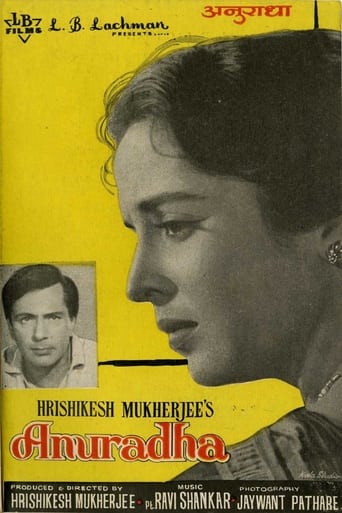
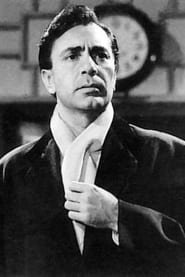
Balraj Sahni, born Yudhishthir Sahni, was one of India's most respected actors during the golden age of Indian cinema. He began his career as a writer and radio broadcaster with BBC London before returning to India and joining the Indian People's Theatre Association. His film debut came relatively late with 'Hulchul' (1951), but he quickly established himself as a powerful performer known for his realistic portrayal of common people. His breakthrough role came in Bimal Roy's 'Do Bigha Zameen' (1953), where he played a peasant struggling to save his land, a performance that became a benchmark for method acting in Indian cinema. Throughout the 1950s and 1960s, he delivered memorable performances in films like 'Seema' (1955), 'Sone Ki Chidiya' (1958), and 'Anuradha' (1960). Beyond acting, he was an accomplished writer, having authored several books including his autobiography 'Mera Rasta Meri Manzilain'. He remained active in cinema until his death in 1973, leaving behind a legacy of socially relevant cinema and naturalistic acting that influenced generations of Indian actors.
The Craft
On Screen
Naturalistic and method-based approach, known for bringing authenticity to working-class characters through detailed observation and immersion. He believed in living the character rather than merely performing it, often spending time with people from similar backgrounds to understand their mannerisms and speech patterns.
Milestones
- Debut in Hulchul (1951)
- Breakthrough role in Do Bigha Zameen (1953)
- National Award for Best Actor for 'Seema' (1955)
- Published autobiography 'Mera Rasta Meri Manzilain'
- Padma Shri recipient (1969)
- Iconic performance in 'Garam Hawa' (1973)
Best Known For
Iconic Roles
Must-See Films
Accolades
Won
- Filmfare Award for Best Actor for 'Seema' (1955)
- National Film Award for Best Actor for 'Seema' (1955)
- Padma Shri (1969)
- Bengal Film Journalists' Association Award for Best Actor
Nominated
- Filmfare Award for Best Actor for 'Do Bigha Zameen' (1953)
- Filmfare Award for Best Actor for 'Anuradha' (1960)
- Filmfare Award for Best Supporting Actor for 'Waqt' (1965)
Special Recognition
- Padma Shri (India's fourth highest civilian award)
- Dadasaheb Phalke Award (posthumously, 1973)
- His name appears in the book '20th Century's 100 Great Actors'
Working Relationships
Worked Often With
Studios
Why They Matter
Impact on Culture
Balraj Sahni revolutionized Indian cinema by introducing naturalistic acting at a time when theatrical performances dominated. His portrayal of the common man in 'Do Bigha Zameen' created a new archetype in Indian cinema - the struggling protagonist fighting against social injustice. He brought dignity and authenticity to working-class characters, influencing how Indian cinema approached social realism. His performances often highlighted themes of poverty, displacement, and social inequality, contributing to the parallel cinema movement in India.
Lasting Legacy
Balraj Sahni's legacy extends beyond his film performances to his contribution as a cultural icon who bridged intellectualism and popular cinema. He demonstrated that meaningful cinema could also be commercially successful, paving the way for socially relevant films in mainstream Indian cinema. His autobiography and writings continue to inspire aspiring actors and filmmakers. The Balraj Sahni Memorial Trust was established to preserve his contributions to Indian arts and culture.
Who They Inspired
His method of preparation and naturalistic acting style influenced generations of Indian actors including Naseeruddin Shah, Om Puri, and Anupam Kher. He proved that actors could be intellectuals and social commentators, inspiring many to use cinema as a medium for social change. His approach to character development, particularly his emphasis on authenticity and research, became a template for serious actors in Indian cinema.
Off Screen
Balraj Sahni was married twice, first to Damayanti Sahni who died early, and later to actress Santosh Sahni. He had two sons, Parikshit Sahni and Shekhar Sahni, both of whom became actors. He was deeply influenced by Rabindranath Tagore's philosophy and was a committed socialist throughout his life. His younger brother Bhisham Sahni — renowned writer and playwright. Despite his success in films, he maintained a simple lifestyle and was known for his intellectual pursuits and social consciousness.
Education
BA from Government College, Lahore; Postgraduate studies at Visva-Bharati University, Santiniketan (founded by Rabindranath Tagore); Also studied at University of California, Berkeley for a brief period
Family
- Damayanti Sahni (1936-1947, deceased)
- Santosh Sahni (1951-1973)
Did You Know?
- He worked as a radio announcer with BBC London before entering films
- He was fluent in Punjabi, Hindi, Urdu, and English
- His brother Bhisham Sahni wrote the famous novel 'Tamas'
- He was arrested during the Quit India Movement for his participation in the freedom struggle
- He turned down the role of the grandfather in 'Munna Bhai M.B.B.S.' which later went to Sunil Dutt
- He was a close friend of Prime Minister Jawaharlal Nehru
- He wrote extensively on cinema and acting, contributing to various publications
- His last film 'Garam Hawa' was released after his death and became a classic
- He was offered a teaching position at the Film and Television Institute of India
- He was a founding member of the Indian People's Theatre Association
In Their Own Words
Acting is not about pretending to be someone else, it's about finding yourself in the character.
I have always believed that cinema should reflect the reality of our society, not escape from it.
The common man has more stories to tell than all the kings and queens put together.
An actor must be a student of life, constantly observing, learning, and growing.
Realism in cinema is not about showing poverty, it's about showing the dignity of the human spirit.
Frequently Asked Questions
Who was Balraj Sahni?
Balraj Sahni was one of India's most respected actors during the golden age of Indian cinema, known for his realistic portrayal of common people and his naturalistic acting style. He was also a writer, social activist, and Padma Shri recipient who on Indian cinema.
What films is Balraj Sahni best known for?
Titles linked here include Do Bigha Zameen (1953), Seema (1955).
When was Balraj Sahni born and when did he die?
Born May 13, 1913; died April 13, 1973.
What awards did Balraj Sahni win?
Balraj Sahni won the Filmfare Award and National Film Award for Best Actor for 'Seema' (1955), received the Padma Shri in 1969, and was posthumously awarded the Dadasaheb Phalke Award in 1973.
What was Balraj Sahni's acting style?
Balraj Sahni was known for his naturalistic and method-based approach to acting. He believed in living the character rather than merely performing it, often spending time with people from similar backgrounds to understand their mannerisms and bring authenticity to his roles.
Did Balraj Sahni have any family connections in cinema?
Yes, his son Parikshit Sahni became a successful actor, and his brother Bhisham Sahni — renowned writer whose novel 'Tamas' was adapted into a famous television series. His wife Santosh Sahni was also an actress.
What was Balraj Sahni's contribution to Indian cinema beyond acting?
Beyond acting, Balraj Sahni — writer who authored several books including his autobiography, a social activist who participated in India's freedom struggle, and an intellectual who advocated for socially relevant cinema. He was also a founding member of the Indian People's Theatre Association.
How did Balraj Sahni start his career in films?
Balraj Sahni initially worked as a writer and radio broadcaster with BBC London. After returning to India, he joined the Indian People's Theatre Association and made his film debut relatively late in 1951 with 'Hulchul' at the age of 38, quickly establishing himself as a serious actor.