
Films
2 films
About Yakub
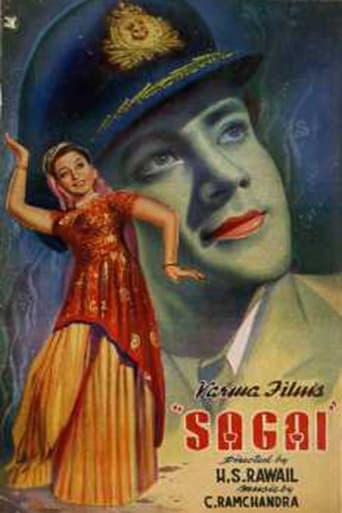
prominent character actor in Hindi cinema during the 1940s and 1950s — known for his versatile performances in supporting roles. He established himself as a reliable presence in the Indian film industry, often portraying antagonists, authority figures, or comic relief characters. His the crucial transition period of Indian cinema, where he adapted to the evolving storytelling techniques and sound technologies. Yakub appeared in numerous films throughout his career, though many of his earlier works remain undocumented in contemporary film archives. His performances in films like 'Hulchul' (1951) and 'Sagai' (1951) showcased his ability to bring depth to even minor roles. He was part of the generation of actors who helped establish the foundation of character acting in Bollywood, working alongside some of the biggest stars of his era. Despite not being a leading man, Yakub contributed significantly to the narrative structure of many classic films through his memorable supporting performances.
The Craft
On Screen
Yakub was known for his naturalistic approach to character acting, bringing authenticity to supporting roles that ranged from villains to comic characters. His performances were marked by subtle expressions and the ability to convey complex emotions through minimal dialogue. He had a distinctive screen presence that allowed him to stand out even in ensemble casts.
Best Known For
Iconic Roles
Must-See Films
Working Relationships
Worked Often With
Studios
Why They Matter
Impact on Culture
Yakub contributed to the development of character acting in Indian cinema during its formative years. His work helped establish the importance of supporting roles in film narratives, demonstrating that well-crafted character performances could significantly enhance story depth. As part of the ensemble casts of numerous films, he participated in the creation of some of the classic works that defined Bollywood's golden era.
Lasting Legacy
Yakub's legacy lies in his contribution to the foundation of character acting in Hindi cinema. While not a household name like leading stars of his era, his work in films like 'Hulchul' and 'Sagai' represents the crucial supporting framework that made classic Indian films memorable. His career exemplifies the dedication of character actors who, despite limited recognition, played essential roles in building the Indian film industry.
Who They Inspired
Yakub influenced subsequent generations of character actors in Indian cinema by demonstrating the importance of versatility and commitment to supporting roles. His naturalistic acting style contributed to the evolution away from theatrical performances toward more realistic portrayals in Indian films.
Off Screen
Limited information is available about Yakub's personal life, which was common for character actors of his era who maintained privacy away from the spotlight. Like many actors of his generation, he dedicated his life primarily to his craft and the film industry.
Did You Know?
- Yakub was active during the golden era of Hindi cinema (1940s-1950s)
- Like many character actors of his era, he often played multiple roles within the same film
- His career coincided with the rise of method acting influences in Indian cinema
- He worked during a period when Indian cinema was establishing its unique identity separate from theatrical traditions
- Many character actors of his generation were underdocumented in film histories
- He contributed to films during a time when Bombay (now Mumbai) was the center of Indian film production
Frequently Asked Questions
Who was Yakub?
Character with credits in this catalog. He was part of the generation that helped establish character acting traditions in Bollywood's golden era.
When was Yakub born and when did he die?
Specific birth and death dates for Yakub are not readily available in historical records, which was common for character actors of his era who often maintained private lives away from public attention.
What awards did Yakub win?
There are no documented awards or nominations for Yakub, which was typical for character actors of his time who often went unrecognized by formal award ceremonies despite their significant contributions to films.
What was Yakub's acting style?
Yakub was known for his naturalistic approach to character acting, bringing authenticity to supporting roles that ranged from villains to comic characters. His performances featured subtle expressions and the ability to convey complex emotions with minimal dialogue.