

Sitara Devi
Actor
Born: November 8, 1919 in Kolkata, India Died: November 25, 2014 Active: 1930s-2014 Birth Name: Dhanalakshmi
Films
5 films



About Sitara Devi
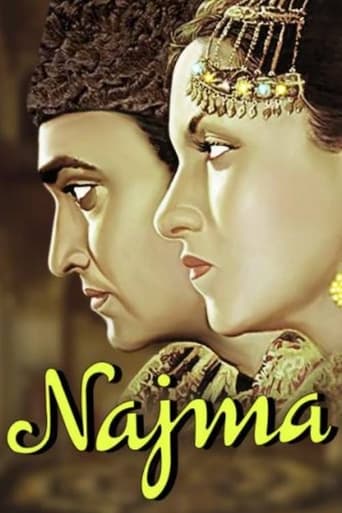
Sitara Devi, born Dhanalakshmi, was an Indian classical dancer and actress who revolutionized Kathak dance and brought it to mainstream cinema. She began her career as a child performer in the 1930s and quickly rose to prominence in the Hindi film industry of the 1940s, starring in notable films like Roti (1942), Najma (1943), and Chand (1944). Her performances seamlessly blended classical dance with cinematic storytelling, creating a unique style that captivated audiences across India. While her film career was primarily concentrated in the 1940s, she continued to perform and teach Kathak for decades, becoming internationally recognized as the 'Kathak Queen.' She received numerous accolades including the Padma Shri (1973), Padma Bhushan (1973), and Kalidas Samman (1995) for her contributions to Indian classical arts. Even as she aged, she continued to perform well into her 80s, maintaining her status as one of India's most revered cultural ambassadors. Her legacy extends beyond cinema, as she trained thousands of students and helped preserve and popularize Kathak dance globally.
The Craft
On Screen
Known for her graceful and expressive performances that incorporated classical dance movements into her acting, creating a unique cinematic style that emphasized rhythm, emotion, and traditional Indian aesthetics
Best Known For
Iconic Roles
Must-See Films
Accolades
Won
- Padma Shri (1973)
- Padma Bhushan (1973)
- Kalidas Samman (1995)
- Sangeet Natak Akademi Award
- Maharashtra Gaurav Puraskar
Nominated
- Filmfare Award nominations for dance performances
Special Recognition
- Title of 'Kathak Queen'
- Recognition as 'Nritya Samragini' (Empress of Dance)
- Honorary doctorates from multiple universities
- Cultural ambassador for India abroad
Working Relationships
Worked Often With
Studios
Why They Matter
Impact on Culture
Sitara Devi played a pivotal role in bringing classical Kathak dance from traditional settings to mainstream cinema, making it accessible to millions of Indians. Her performances helped bridge the gap between classical arts and popular entertainment, ensuring that traditional dance forms remained relevant in modern times. She was instrumental in establishing Kathak as a respected classical dance form on international stages, performing for dignitaries and audiences worldwide. Her work in films during the 1940s helped define the golden era of Hindi cinema's musical traditions, setting standards for dance choreography that influenced generations of filmmakers and dancers.
Lasting Legacy
Sitara Devi's legacy endures through the thousands of dancers she trained, the institutions she helped establish, and the continued popularity of Kathak dance globally. She is remembered as a pioneer who successfully adapted classical dance for cinema without compromising its artistic integrity. Her life story serves as inspiration for artists seeking to balance tradition with innovation. The awards and recognition she received, including India's highest civilian honors, cement her status as.
Who They Inspired
Her influence extends across multiple generations of dancers, choreographers, and filmmakers. She inspired future Bollywood dance sequences by demonstrating how classical forms could be adapted for cinematic storytelling. Many contemporary dancers credit her performances as their initial inspiration to pursue Kathak. Her teaching methods and interpretations of traditional dance continue to influence Kathak pedagogy. She also influenced how Indian classical dance is perceived internationally, helping establish it as a sophisticated art form rather than mere entertainment.
Off Screen
Sitara Devi was born into a family of performers; her father Sukhdev Maharaj was a Kathak exponent and her mother Matsya Kumari was from a royal family. She married twice - first to director K. Asif, and later to Dr. Sharma. She had children from both marriages and maintained a large extended family. Despite her fame, she remained deeply connected to her traditional roots and continued to practice and teach dance throughout her life. She was known for her strong personality and dedication to preserving Indian classical arts.
Education
Trained in Kathak from childhood under her father Sukhdev Maharaj and other gurus; formal education was limited due to early entry into performing arts
Family
- K. Asif (1940s-1950s)
- Dr. Sharma (1960s-2014)
Did You Know?
- She was originally named Dhanalakshmi but given the stage name Sitara Devi meaning 'Star Goddess'
- She began performing publicly at age 8
- Her father was initially opposed to her entering films but later supported her career
- She performed for Queen Elizabeth II during the royal visit to India
- She could perform for hours without showing fatigue, even in her 70s
- She was known for her sharp footwork that could match the speed of tabla players
- She refused to dance in films that she felt compromised the dignity of classical dance
- She established her own dance school to preserve and teach Kathak
- She was fluent in multiple languages including Hindi, Urdu, Bengali, and English
- Her performances often incorporated storytelling elements from Indian mythology and folklore
In Their Own Words
Dance is not just movement, it's the language of the soul
Classical dance is our heritage, we must preserve it with dignity
When I dance, I feel connected to centuries of tradition
Cinema can be a vehicle for classical arts if handled with respect
Every step in Kathak tells a story, every gesture has meaning
Frequently Asked Questions
Who was Sitara Devi?
Legendary Indian classical dancer and actress, known as the 'Kathak Queen,' who revolutionized Kathak dance and brought it to mainstream Hindi cinema in the 1940s. She was one of India's most important cultural ambassadors and received numerous prestigious awards for her contributions to Indian classical arts.
When was Sitara Devi born and when did she die?
Born November 8, 1919; died November 25, 2014.
What awards did Sitara Devi win?
Sitara Devi received numerous prestigious awards including the Padma Shri (1973), Padma Bhushan (1973), Kalidas Samman (1995), and the Sangeet Natak Akademi Award. She was also honored with titles like 'Kathak Queen' and 'Nritya Samragini' for her contributions to Indian classical dance.
What was Sitara Devi's acting and dancing style?
Sitara Devi's style was characterized by graceful, expressive performances that seamlessly integrated classical Kathak movements into cinematic storytelling. She was known for her sharp footwork, emotional expressiveness, and ability to maintain the dignity of classical dance while making it accessible to film audiences.
How did Sitara Devi influence Indian cinema?
Sitara Devi significantly influenced Indian cinema by establishing classical dance as a legitimate and respected element of filmmaking. Her performances set standards for dance choreography in Bollywood and helped create the musical traditions that became central to Hindi cinema's golden era.
What was Sitara Devi's legacy in classical dance?
Sitara Devi's legacy in classical dance includes training thousands of students, helping establish Kathak as an internationally recognized art form, and preserving traditional dance techniques while adapting them for modern audiences. She is remembered as a pioneer who successfully balanced tradition with innovation.