
Murad
Actor
Born: 1910 in Rampur, Uttar Pradesh, British India Died: 1989 Active: 1943-1989 Birth Name: Murad Ali Khan
Films
5 films

About Murad
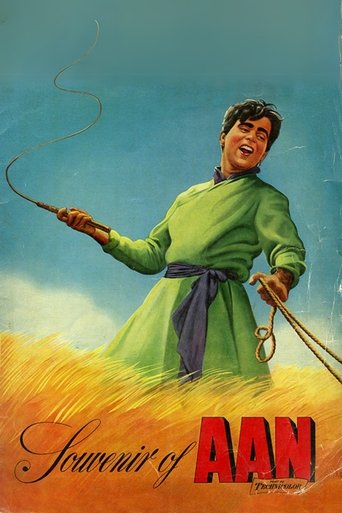
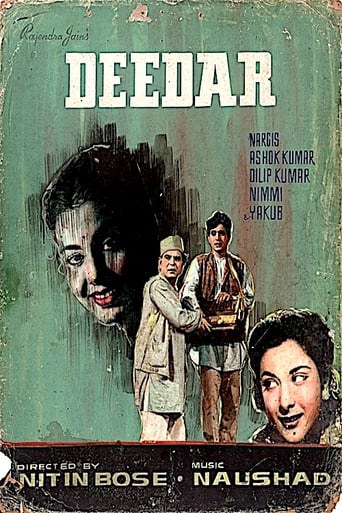
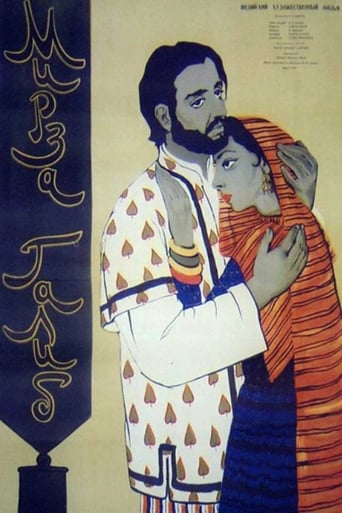
Murad Ali Khan, known mononymously as Murad, was one of Indian cinema's most character actors during the golden era of Hindi films. Born in Rampur in 1910, he began his film career in the early 1940s and quickly established himself as a reliable performer in authoritative roles. His imposing screen presence and distinctive baritone voice made him perfect for playing judges, police commissioners, aristocrats, and other figures of authority. Murad appeared in over 200 films throughout his career spanning four decades, working with virtually every major director and actor of his time. He was particularly known for his roles in classic films like 'Deedar' (1951), 'Aan' (1952), and 'Mirza Ghalib' (1954). Beyond acting, Murad was also a respected member of the film industry who mentored younger actors. He continued working in films until the late 1980s, leaving behind a legacy of memorable performances that defined character acting in Indian cinema.
The Craft
On Screen
Murad was known for his dignified and authoritative acting style, characterized by his commanding screen presence and deep, resonant voice. He excelled at portraying characters of authority - judges, police commissioners, zamindars, and government officials - with a natural gravitas that made his performances believable. His acting was subtle yet impactful, relying more on his imposing presence and controlled expressions rather than melodramatic gestures. Murad had the unique ability to convey authority and wisdom through minimal dialogue, often stealing scenes with just a stern glance or a measured delivery of lines.
Milestones
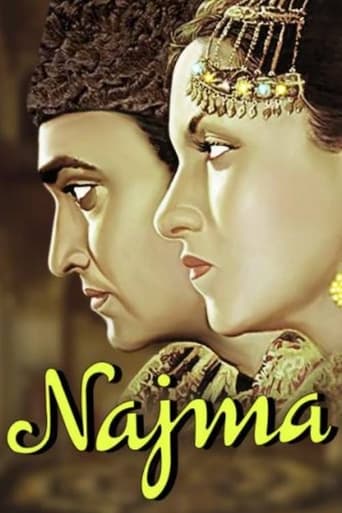
- Breakthrough role in 'Najma' (1943)
- Memorable performance in 'Deedar' (1951)
- Significant role in India's first Technicolor film 'Aan' (1952)
- Acclaimed performance in 'Mirza Ghalib' (1954)
- Appeared in over 200 films in a career spanning 46 years
- Established himself as the go-to actor for authoritative roles
Best Known For
Iconic Roles
Must-See Films
Accolades
Special Recognition
- Recognized as one of Indian cinema's most reliable character actors
- Honored by film industry for contributions to Indian cinema
Working Relationships
Worked Often With
Studios
Why They Matter
Impact on Culture
Murad significantly influenced the archetype of the authoritative figure in Indian cinema, setting a standard for character actors playing roles of authority. His dignified portrayal of judges, police officials, and aristocrats became the benchmark for such roles in Hindi films for decades. He helped establish the importance of character actors in supporting the narrative structure of Indian cinema, proving that well-written supporting roles could elevate a film's quality. Murad's work contributed to the golden age of Indian cinema by providing gravitas and authenticity to period films and social dramas. His distinctive voice and presence became so notable that they influenced how subsequent generations approached similar roles.
Lasting Legacy
Murad's legacy endures through his extensive body of work and the impact he had on character acting in Indian cinema. He is remembered as. His family continued his cinematic legacy, with his son Raza Murad and grandson Vardhaan Murad also becoming actors. Film historians and critics often cite Murad as an example of perfect casting for authoritative roles, and his performances continue to be studied by acting students. His contribution to establishing the importance of character actors in Indian cinema remains significant, and he is frequently referenced in discussions about the golden age of Hindi cinema.
Who They Inspired
Murad influenced generations of character actors who followed him, particularly those specializing in authoritative roles. His natural portrayal of figures of authority set a template that many actors attempted to emulate. His son Raza Murad followed in his footsteps, also specializing in character roles with similar gravitas. Younger actors like Amrish Puri and Om Prakash, while having their own distinct styles, were influenced by the dignity and authority that Murad brought to his roles. Directors often used Murad's performances as reference points when casting similar roles, and his work continues to be studied in film schools as an example of effective character acting.
Off Screen
Murad came from a family background in Rampur and maintained a private personal life away from the limelight. He was married and had children who later entered the film industry. Despite his success in films, he remained grounded and was known for his professionalism and punctuality on sets. Murad was respected in the industry for his wisdom and often served as a mentor to younger actors. He maintained good relationships with his colleagues and was considered a gentleman of the old school.
Education
Educated in Rampur, came from an educated family background
Family
- Wife (name not publicly documented)
Did You Know?
- Murad appeared in India's first Technicolor film 'Aan' (1952)
- He was part of the film industry for over 45 years, appearing in more than 200 films
- His son Raza Murad also became a successful character actor in Bollywood
- Murad was known for his punctuality and professionalism on film sets
- He often played roles much older than his actual age due to his dignified appearance
- Despite being a Muslim, he played Hindu priests and characters with equal authenticity
- He worked with three generations of actors, from Ashok Kumar to Amitabh Bachchan
- Murad never played the lead role but was considered more successful than many leading actors
- His distinctive baritone voice made him a favorite for radio plays in addition to films
- He was one of the few actors who successfully transitioned from the studio system to independent productions
In Their Own Words
Acting is not about becoming someone else, it's about discovering parts of yourself you never knew existed.
In every character I play, I find a piece of truth that connects to the audience.
A supporting role is like a pillar in a building - invisible when strong, but the whole structure collapses without it.
Frequently Asked Questions
Who was Murad?
Screen credits include over 200 Hindi films from the 1940s to the 1980s. He was particularly known for playing authoritative roles like judges, police commissioners, and aristocrats with his distinctive baritone voice and dignified presence.
When was Murad born and when did he die?
Born 1910; died 1989.
What awards did Murad win?
While specific award information is limited, Murad was widely recognized and honored within the Indian film industry for his contributions to cinema. He was considered.
What was Murad's acting style?
Murad's acting style was characterized by dignity, authority, and subtlety. He used his deep voice and imposing presence to create believable characters of authority, relying on controlled expressions and measured dialogue delivery rather than melodramatic acting.
Did Murad have any family in the film industry?
Yes, Murad's son Raza Murad also became a successful character actor in Bollywood, continuing the family's cinematic legacy. His grandson Vardhaan Murad has also entered the film industry, making it a three-generation acting family.