Cuckoo
Actor
Born: 1928 in Bombay, British India Died: 1981 Active: 1946-1962 Birth Name: Cuckoo Morley
Films
6 films

About Cuckoo
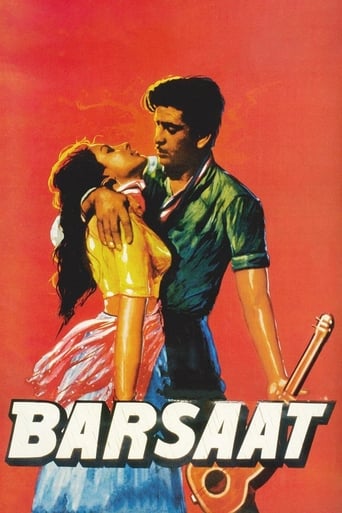
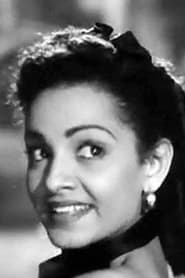
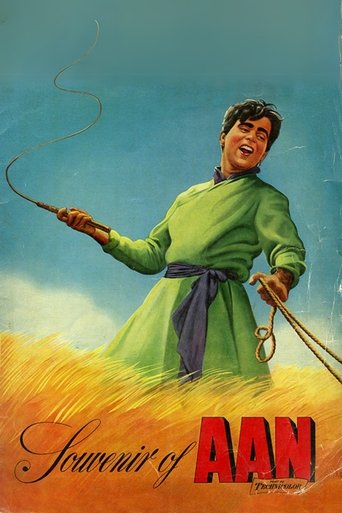
Cuckoo Morley, known mononymously as Cuckoo, was a dancer and actress in Hindi cinema during the Golden Age of Indian film. Often called the 'Dancing Queen' of Bollywood, she revolutionized the concept of background dancing in Indian cinema, transforming it from a peripheral element to an essential part of film narratives. Beginning her career in the mid-1940s, Cuckoo quickly became sought-after dancers, appearing in over 200 films throughout her career. Her energetic and charismatic performances in films like Barsaat (1949) and Aan (1952) set new standards for dance sequences in Indian cinema. Beyond her own performances, Cuckoo in mentoring future stars, most notably Helen, who would become the most famous dancer of subsequent decades. Despite being one of the highest-paid background dancers of her time, she maintained a relatively private personal life. Her roughly from 1946 to the early 1960s, after which she gradually faded from the limelight, leaving behind a lasting legacy as a trailblazer for dance in Indian cinema.
The Craft
On Screen
Cuckoo was primarily known for her dynamic and energetic dance performances rather than traditional acting. Her style was characterized by expressive movements, charismatic stage presence, and the ability to captivate audiences even in brief appearances. She brought a Western-influenced yet distinctly Indian flavor to her dance numbers, often incorporating elements of cabaret and burlesque while maintaining cultural sensibilities. Her performances were marked by precision, enthusiasm, and an infectious joy that made her dance sequences memorable highlights of the films she appeared in.
Milestones
- background dancing as an art form in Hindi cinema
- Memorable dance performance in Raj Kapoor's Barsaat (1949)
- Appearing in Mehboob Khan's Aan (1952), India's first technicolor film
- Mentoring Helen, who became the most iconic dancer of Indian cinema
- Being one of the highest-paid background dancers of the 1950s
- Working with virtually every major director and star of the era
- Appearing in over 200 films during her career
Best Known For
Iconic Roles
Must-See Films
Accolades
Special Recognition
- Recognized as the 'Dancing Queen' of early Hindi cinema
- Credited with the art of background dancing in Indian films
- Honored in film histories for her contribution to Indian cinema dance
Working Relationships
Worked Often With
Studios
Why They Matter
Impact on Culture
Cuckoo Morley fundamentally transformed the role of dance in Indian cinema, elevating background dancing from a mere decorative element to an essential narrative device and audience attraction. Her work helped establish the tradition of elaborate dance sequences that would become a hallmark of Bollywood films. By bringing Western dance influences while maintaining Indian sensibilities, she contributed to the unique hybrid style that characterizes Indian film dance. Her success as a background dancer created a new career path for performers in Indian cinema, and her mentoring of Helen ensured the continuation and evolution of this art form. Cuckoo's legacy lies in how she demonstrated that dance could be a powerful medium for expression and entertainment in films, influencing generations of performers and choreographers who followed.
Lasting Legacy
Cuckoo Morley's legacy in Indian cinema is that of a trailblazer who established the art of background dancing as a respected and integral part of filmmaking. While she may not be a household name today among general audiences, film historians and industry veterans recognize her crucial role in shaping the aesthetic of Hindi cinema. Her most enduring legacy is perhaps her mentorship of Helen, who would become an even more iconic figure in Indian film dance. Cuckoo's work helped create the template for the 'item number' that continues to be a staple of Bollywood films today. She represents an important chapter in the history of Indian cinema's evolution, particularly in how dance became central to the film experience. Despite appearing primarily in supporting roles, her impact on the industry's visual and performance language was profound and lasting.
Who They Inspired
Cuckoo influenced Indian cinema primarily through her work in dance performance and her role as a mentor to future generations of dancers. She established a standard for professional excellence in background dancing that elevated the craft's status within the industry. Her most direct and significant influence was on Helen, whom she personally mentored and guided, helping launch one of Indian cinema's most enduring dance icons. Cuckoo's blend of Western and Indian dance styles influenced how choreographers approached film dance numbers, contributing to the unique aesthetic that would define Bollywood. She also demonstrated that performers in supporting roles could achieve significant recognition and success, paving the way for other dancers and character artists to build sustainable careers in the film industry.
Off Screen
Cuckoo maintained a relatively private personal life despite her public career. She was known to be a dedicated professional who focused primarily on her work in the film industry. Little detailed information is available about her family life or personal relationships, as was common for many supporting artists of her era who did not receive the same media attention as lead actors.
Education
Limited information is available about Cuckoo's formal education. She likely received dance training that contributed to her professional success, though specific details about her instructors or training institutions are not well-documented in historical records.
Did You Know?
- Cuckoo was often called the 'Dancing Queen' of early Hindi cinema
- She appeared in over 200 films during her career despite being primarily a background dancer
- Cuckoo was one of the highest-paid background dancers of her time
- She discovered and mentored Helen, who would become the most famous dancer in Indian cinema
- Cuckoo performed in India's first technicolor film, Aan (1952)
- She worked with virtually every major star of the Golden Age of Hindi cinema
- Cuckoo's real name was Cuckoo Morley, though she was universally known simply as 'Cuckoo'
- She was of Anglo-Indian heritage, which contributed to her distinctive appearance
- Cuckoo often performed in cabaret-style numbers that were considered bold for their time
- Despite her popularity, she remained a background artist and never transitioned to lead roles
In Their Own Words
Dance is not just movement, it's emotion expressed through the body
Frequently Asked Questions
Who was Cuckoo?
When was Cuckoo born and when did she die?
Born 1928; died 1981.
What awards did Cuckoo win?
While Cuckoo did not receive formal awards during her career, she was widely recognized as the 'Dancing Queen' of early Hindi cinema and is credited with the art of background dancing in Indian films. Her legacy is honored through her influence on subsequent generations of dancers.
What was Cuckoo's dancing style?
Cuckoo's dancing style was characterized by energetic movements, charismatic stage presence, and a blend of Western influences with Indian sensibilities. She brought elements of cabaret and burlesque to Indian cinema while maintaining cultural appropriateness, setting new standards for dance sequences in films.
How did Cuckoo influence Indian cinema?
Cuckoo fundamentally transformed the role of dance in Indian cinema by elevating background dancing to an art form. She mentored Helen, who became an even more iconic dancer, and established a template for dance numbers that continues to influence Bollywood films today. Her work helped create the aesthetic that would define Indian film dance for decades.