
Pyar Ki Baten
"Nadira reckless Prince Badar vows"
Keys: Space play/pause · ←/→ 10s · F fullscreen · M mute · </> speed
About this film
Rejected by a proud Princess Nadira, a reckless Prince Badar vows revenge, setting out on a quest disguised as a common peasant to humble her, unaware that her own perilous situation will force them both into unexpected circumstances.
Cast & crew
More films like this
More about this film
About the production
Release date1951
ProductionFilmistan
Filmed inBombay (Mumbai) Studios
Pyar Ki Baten was produced during the golden era of Hindi cinema when Filmistan was one of the leading production houses. The film featured elaborate sets and costumes typical of the romantic dramas of the early 1950s. The production team faced challenges in creating authentic palace and village settings within studio constraints.
Themes
Class dividePride and humilityLove and revengeSocial equalityIdentity and disguise
Themes & topics
Historical background
Contemporary records classify Pyar Ki Baten (1951) as 1951 indian hindi-language film, placing it within mid-century cinema across Hollywood and world markets.
Why this film matters
Pyar Ki Baten (1951) helps trace genre evolution, performer careers, and the material conditions of sound exhibition.
Making of
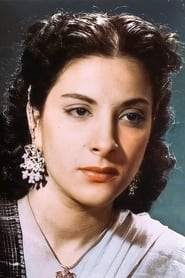
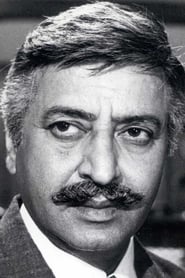
The filming took place primarily at Filmistan Studios in Bombay, which was known for its state-of-the-art facilities in the early 1950s. The production team invested heavily in creating authentic palace interiors and village settings. Nargis, already an established star, was reportedly very involved in costume selection and character development. The chemistry between Nargis and Trilok Kapoor was praised by the director, who reportedly conducted multiple screen tests before finalizing the casting. The film's romantic sequences were shot with special attention to lighting and composition, reflecting the cinematic aesthetics of the era.
What critics said
Modern write-ups on Pyar Ki Baten (1951) tend to focus on preservation status, stylistic choices, and placement within director or studio filmographies.
Did you know?
- The film was released during the early years of independent India, reflecting the changing social dynamics of the time
- Nargis was at the peak of her career in 1951, having delivered several hits in the preceding years
- Trilok Kapoor, brother of actor Prithviraj Kapoor, was known for his roles in mythological and romantic films
- The film's title translates to 'Stories of Love' in English
- Music was composed by S.D. Batish, who was relatively new to the industry at the time
- The film was one of the early productions of Filmistan Studios, which was established in 1943
- Costume design emphasized the contrast between royal and peasant attire to highlight the class divide
- The film's success contributed to the popularity of the 'disguise' trope in Hindi cinema
Visual style
The cinematography by D.N. Pai employed classic studio lighting techniques characteristic of early 1950s Hindi cinema. The film featured elaborate tracking shots during romantic sequences and close-ups to emphasize emotional moments. Contrast between palace scenes and village settings was achieved through careful lighting design, with royal interiors appearing more opulent and village scenes more naturalistic. The visual style incorporated elements of both Indian theatrical traditions and emerging cinematic techniques.
Music
The music was composed by S.D. Batish with lyrics by various lyricists of the era. The soundtrack featured typical 1950s orchestration combining Indian classical elements with Western influences. Songs were picturized on both Nargis and Trilok Kapoor, with romantic duets forming a significant portion of the album. While the complete song list is not widely documented today, contemporary reports suggest several tracks gained popularity on All India Radio. The music reflected the transition from the more classical style of the 1940s to the more melodic approach of the 1950s.
Famous quotes
Love knows no boundaries of class or status
Pride must fall before true love can rise
Memorable scenes
- The initial rejection scene where Prince Badar is humiliated by Princess Nadira
- The transformation sequence where the prince adopts peasant disguise
- The village market scene where the disguised prince first encounters the princess in common surroundings
What audiences thought
The film was moderately successful at the box office, drawing audiences primarily due to Nargis's star power and the popular romantic theme. The disguise-and-revenge plot resonated with theater-goers who enjoyed dramatic love stories. Some of the film's songs became popular on radio and were frequently requested on music programs. The chemistry between Nargis and Trilok Kapoor was well-received by audiences, though the film didn't achieve the blockbuster status of some other releases from the same year.
Film connections
Influenced by
- Traditional Indian folklore
- Shakespearean romance elements
- Indian theatrical traditions
This film influenced
- Later Bollywood films featuring disguise plots
- Romantic films exploring class differences
Film restoration
The preservation status of Pyar Ki Baten (1951) is unclear. Like many films from this era, it may exist in archives or private collections, but complete restoration efforts are not widely documented. Some fragments or songs might be available through film archives or vintage film collectors.
Where to watch
- Film archives
- Classic film streaming platforms specializing in vintage Indian cinema
- Potential availability through National Film Archive of India