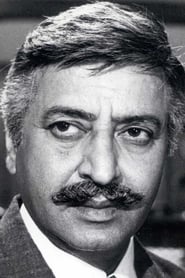
Pran Sikand
Actor
Born: February 12, 1920 in Lahore, Punjab, British India (now Pakistan) Died: July 12, 2013 Active: 1940-2007 Birth Name: Pran Krishan Sikand
Films
7 films


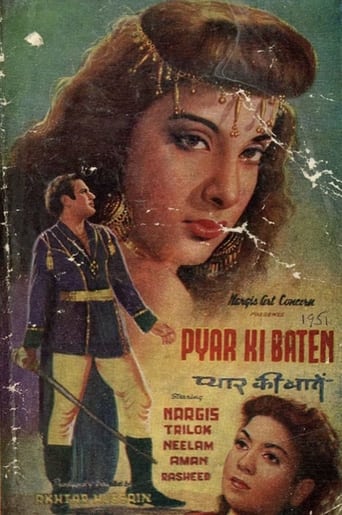
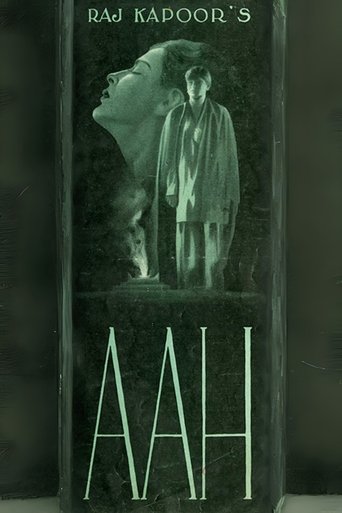
About Pran Sikand
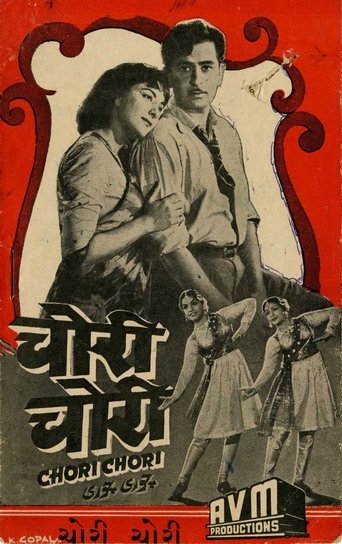
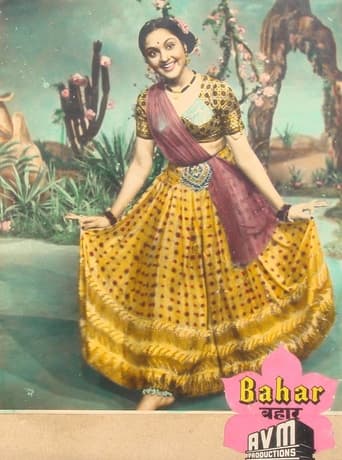
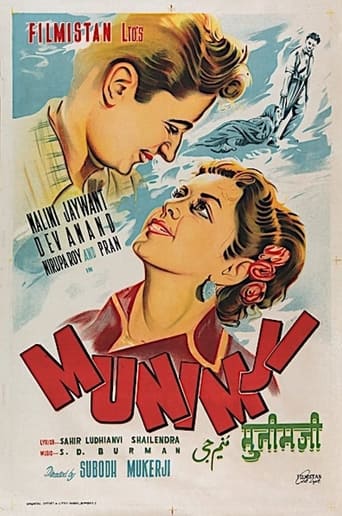
Pran Krishan Sikand, known mononymously as Pran, was one of Indian cinema's most actors, particularly renowned for his villain roles that defined the golden era of Hindi cinema. Born in Lahore in 1920, he began his film career with Punjabi films before transitioning to Hindi cinema, making his debut in 'Khazanchi' (1941), which became a massive success and established him as a leading man. Throughout the 1940s and early 1950s, he primarily played romantic leads in films like 'Sheesh Mahal' (1950) and 'Bahar' (1951), showcasing his versatility as an actor. However, it was his transition to villain roles in the mid-1950s with films like 'Munimji' (1955) that truly cemented his legacy, creating a new archetype of the sophisticated, menacing antagonist in Bollywood. His over six decades, during which he appeared in more than 350 films, evolving from a leading man to the most feared villain on screen, and eventually to respected character roles in his later years. Pran's impact on Indian cinema was so profound that he became the highest-paid villain in the industry and was among the top-paid actors overall for several decades. His contributions were recognized with numerous awards, including the Padma Bhushan, India's third-highest civilian award, and multiple Filmfare Awards for Best Supporting Actor, cementing his status as a true icon of Indian cinema.
The Craft
On Screen
Pran was known for his highly versatile and transformative acting style, capable of switching effortlessly between charming leading man and terrifying villain. His villain performances were characterized by a sophisticated menace, using subtle facial expressions, distinctive dialogue delivery, and a commanding screen presence that made his characters memorable. He pioneered the 'stylized villain' archetype in Bollywood, bringing nuance and depth to antagonist roles that were previously one-dimensional. His method included extensive preparation for each role, developing unique mannerisms, costumes, and dialogue styles that made each villain distinct. In his later character roles, he displayed remarkable warmth and emotional depth, proving his range as an actor.
Milestones
- Breakthrough role in 'Khazanchi' (1941) which established him as a star
- Successful transition from leading man to villain in mid-1950s
- Iconic villain role in 'Jab Pyar Kisise Hota Hai' (1961)
- Career-defining performance in 'Upkar' (1967) as Malang Chacha
- Landmark villain role as Sher Khan in 'Zanjeer' (1973) opposite Amitabh Bachchan
- Award-winning performance in 'Aadmi Aur Aurat' (1977)
- Received Padma Bhushan in 2001 for contributions to Indian cinema
- Won Filmfare Lifetime Achievement Award in 1997
Best Known For
Iconic Roles
Must-See Films
Accolades
Won
- Filmfare Award for Best Supporting Actor for 'Upkar' (1967)
- Filmfare Award for Best Supporting Actor for 'Aadmi Aur Aurat' (1977)
- Filmfare Award for Best Supporting Actor for 'Aapas Ki Baat' (1981)
- Filmfare Lifetime Achievement Award (1997)
- Padma Bhushan (2001)
- Bengal Film Journalists' Association Awards for multiple films
- Screen Lifetime Achievement Award (2000)
- Zee Cine Award for Lifetime Achievement (2002)
- Stardust Award for Lifetime Achievement (2004)
Nominated
- Filmfare Best Actor nomination for early leading roles
- Multiple Filmfare Best Supporting Actor nominations throughout the 1970s-1980s
- National Film Award consideration for various character roles
Special Recognition
- Padma Bhushan, India's third-highest civilian honor (2001)
- Filmfare Lifetime Achievement Award (1997)
- Named among the 'Top 75 Bollywood Actors' by Forbes India
- Honored at the International Film Festival of India
- Received the 'Villain of the Millennium' award from Stardust
- Had a postage stamp issued in his honor by India Post (2013)
- Multiple honorary doctorates from Indian universities
Working Relationships
Worked Often With
Studios
Why They Matter
Impact on Culture
Pran revolutionized the portrayal of villains in Indian cinema, transforming them from one-dimensional evil characters to complex, charismatic antagonists with style and substance. His impact was so profound that in Hindi-speaking regions, the name 'Pran' became synonymous with 'villain' in everyday language. He brought unprecedented sophistication and style to villain roles, complete with tailored suits, distinctive mannerisms, and memorable dialogue delivery that made his characters both feared and admired. His collaboration with Amitabh Bachchan in films like 'Zanjeer' and 'Don' created some of cinema's most iconic hero-villain dynamics, setting a template for future Bollywood films. Beyond his on-screen impact, Pran's success as a villain helped establish the commercial viability of antagonist roles, leading to better pay and recognition for character actors in the industry.
Lasting Legacy
Pran's legacy in Indian cinema is unparalleled, having set benchmarks for villain acting that remain unmatched even decades later. He proved that antagonists could be as popular as heroes, with fans often rooting for his characters despite their evil deeds. His body of work spans an incredible range of characters, from romantic heroes to menacing villains to beloved elderly characters, showcasing his extraordinary versatility. The Filmfare Award for Best Performance in a Negative Role was introduced largely due to the impact and popularity of his villain performances. Even after his death, his performances continue to be studied by acting students and admired by cinema lovers, with many modern actors citing him as an inspiration. His contribution to Indian cinema was officially recognized when he was honored with the Padma Bhushan, cementing his status as a national cultural icon.
Who They Inspired
Pran's influence on Indian cinema extends far beyond his own performances, having shaped the entire archetype of the Bollywood villain. He inspired generations of actors who followed, with many villains specifically citing his style as their inspiration. His technique of blending menace with charm, his distinctive dialogue delivery, and his ability to make villainous characters memorable influenced actors like Amjad Khan (Gabbar Singh), Amrish Puri (Mogambo), and later character actors. His success demonstrated that supporting actors could achieve stardom and commercial success, paving the way for better recognition and compensation for character actors in the industry. Many modern filmmakers continue to reference his iconic characters and dialogues, and his work remains a benchmark for villain performances in Indian cinema.
Off Screen
Pran led a relatively private personal life despite his massive fame. He married Shukla Sikand in 1945, and their marriage lasted for 68 years until his death. The couple had two sons, Arvind and Sunil Sikand, and a daughter, Pinky. After the partition of India in 1947, his family moved from Lahore to Mumbai, where he established his film career. Known for his professionalism and punctuality on sets, he was also respected for his humble nature off-screen, often helping struggling actors and technicians in the industry. In his later years, he suffered from health issues and had his right leg amputated in 2007 due to complications from diabetes, but he remained active in public appearances until his death in 2013 at age 93.
Education
Completed schooling at Kapurthala, Punjab; attended college briefly but left to pursue acting career
Family
- Shukla Sikand (1945-2013)
Did You Know?
- Pran was the highest-paid villain in Indian cinema during his peak, sometimes earning more than the heroes
- His role in 'Zanjeer' (1973) as Sher Khan was originally written as a pure villain, but Pran suggested making it a positive character with shades of gray
- He was so popular as a villain that many parents in India stopped naming their children 'Pran' during the peak of his villain career
- The iconic dialogue 'Kitne aadmi the?' from 'Sholay' was originally written for Pran, though he didn't appear in the film
- He received his first Filmfare Award at age 47 for 'Upkar', after being in the industry for over 25 years
- Pran was offered a role in Hollywood's 'The Bridge on the River Kwai' but declined due to scheduling conflicts
- He was known for his punctuality and would often arrive on set 30 minutes before call time
- Despite playing villains on screen, he was known for his generosity and often helped struggling actors financially
- He had his own fan club in the 1960s, unusual for a character actor at the time
- His last film appearance was in 'Kuchh Meetha Ho Jaye' in 2005, though he continued making special appearances
- A postage stamp was issued in his honor by India Post in 2013, shortly after his death
- He was one of the first actors to demand and receive credit in film titles, helping establish the importance of character actors
In Their Own Words
I never played a villain. I played characters who had negative shades. There's a difference.
Acting is not about becoming someone else. It's about finding the character within yourself.
A villain should be as strong as the hero, otherwise the film becomes boring.
I always believed that even a negative character should have some positive qualities.
The audience pays money to see us. The least we can do is be professional and give them our best.
When I played a villain, I made sure people would remember me more than the hero.
Frequently Asked Questions
Who was Pran Sikand?
Pran Sikand, known mononymously as Pran, was one of Indian cinema's most legendary actors, particularly famous for his iconic villain roles in Hindi films from the 1940s through the 1990s. He appeared in over 350 films and was known for revolutionizing the portrayal of villains in Bollywood, bringing sophistication and depth to antagonist roles.
What films is Pran best known for?
Titles linked here include Khazanchi (1941), Sheesh Mahal (1950).
When was Pran born and when did he die?
Born February 12, 1920; died July 12, 2013.
What awards did Pran win?
Pran won multiple Filmfare Awards for Best Supporting Actor, the Filmfare Lifetime Achievement Award (1997), and the Padma Bhushan (2001), India's third-highest civilian honor. He also received numerous other industry awards and recognitions throughout his career.
What was Pran's acting style?
Pran was known for his versatile and transformative acting style, characterized by sophisticated menace in villain roles, distinctive dialogue delivery, and commanding screen presence. He brought nuance and depth to antagonist roles, the 'stylized villain' archetype in Bollywood with unique mannerisms and memorable performances.
Did Pran only play villain roles?
No, Pran began his career as a romantic leading man in the 1940s and early 1950s in films like 'Khazanchi' and 'Sheesh Mahal'. He transitioned to villain roles in the mid-1950s where he achieved his greatest fame, and later in his career played respected character roles, particularly as elderly father figures.
How did Pran influence Indian cinema?
Pran revolutionized the portrayal of villains in Indian cinema, transforming them from one-dimensional characters to complex, charismatic antagonists. He proved that villains could achieve stardom and commercial success, paving the way for better recognition of character actors and influencing generations of actors who followed.
What was Pran's relationship with Amitabh Bachchan?
Pran had a legendary on-screen partnership with Amitabh Bachchan, particularly in films like 'Zanjeer' (1973), 'Don' (1978), and 'Sharaabi' (1984). Their hero-villain dynamics set new standards in Bollywood and created some of cinema's most memorable confrontations.