


Khazanchi
"1941 Indian film"
Keys: Space play/pause · ←/→ 10s · F fullscreen · M mute · </> speed
About this film
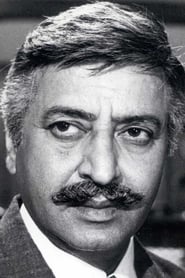
Ismail played the title role of a cashier. Narang, Ramola Devi, Manorama and Durga Mota in lead roles. It was the highest-grossing Indian film at the time of its release and the highest-grossing Indian film of 1941. It was remade in Tamil as Moondru Pillaigal . Actress Munawar Sultana, who became a popular actress of Hindi cinema in 1940s and early 1950s, made her earliest appearance in the film, in the song "Peene Ke Din Aaye Piye Jaa".
Cast & crew
More films like this
More about this film
About the production
Release date1941
BudgetNot documented in available records
Box officeOne of the highest-grossing films of 1941, though exact figures are not available
ProductionPancholi Art Pictures
Filmed inBombay (now Mumbai), India
The film was produced during a transitional period in Indian cinema when the industry was moving from silent films to talkies. Director Moti B. Gidwani was known for his meticulous approach to filmmaking, and he worked extensively with music director Gyan Dutt to create a revolutionary soundtrack. The production faced challenges typical of the era, including limited technical resources and the need to innovate with sound recording techniques. The murder mystery sequences required careful planning of lighting and camera work to create the appropriate atmosphere of suspense.
Themes
Justice and innocenceUrban middle-class strugglesLove and relationshipsDeception and truthSocial mobility
Themes & topics
Historical background
Khazanchi (1941) circulated in studio-era and wartime programming. Ismail played the title role of a cashier. Contemporary trade papers and later preservation notes document its place among theatrical and archive releases.
Why this film matters
Khazanchi remains accessible to researchers and viewers as a screen title in museum, archive, and streaming collections. Actress Munawar Sultana, who became a popular actress of Hindi cinema in 1940s and early 1950s, made her earliest appearance in the film, in the song "Peene Ke Din Aaye Piye Jaa".
Making of
The making of Khazanchi represented a significant milestone in the evolution of Indian cinema. Director Moti B. Gidwani collaborated closely with music director Gyan Dutt to create a soundtrack that would revolutionize Hindi film music. The production team experimented with new sound recording techniques to ensure the musical sequences had the clarity and impact they desired. The cast, particularly M. Ismail and Ramala Devi, underwent extensive rehearsals for both dramatic and musical sequences. The murder mystery elements required careful choreography of action and dialogue, with the production team using innovative lighting and camera techniques to create suspense. The film was shot during a period of significant social and political change in India, and this context influenced both the narrative and the production approach. The success of the film led to increased investment in similar productions and helped establish the commercial viability of the murder mystery genre in Indian cinema.
What critics said
Day-one reviews for Khazanchi are sparse in digitized press archives; later criticism treats it as a reference point for 1941 cinema programming and preservation.
Did you know?
- The film's soundtrack by Gyan Dutt was revolutionary for its time, pioneering the blend of Indian classical music with Western orchestration in Hindi cinema
- The song 'Ek Chali Chali Re' became an instant hit and is still remembered today as one of the classics of early Hindi film music
- Khazanchi was among the first Indian films to successfully use the murder mystery format, influencing countless later films
- The film introduced the 'khayal' style of singing to mainstream Indian cinema, a technique that would become standard in later years
- The title 'Khazanchi' (meaning cashier) became a popular cultural reference for cashiers across India
- The film was remade in 1963 with the same title, though the original is considered superior
- It was one of the earliest films to feature a proper musical score rather than just background music
- The cinematography used innovative lighting techniques for the murder mystery sequences, influenced by film noir
- The success of Khazanchi established Moti B. Gidwani as one of the prominent directors of his era
- The film's commercial success proved that Indian audiences were ready for more sophisticated narrative structures in cinema
Visual style
The cinematography of Khazanchi was considered advanced for its time, particularly in its innovative use of lighting to create mood and suspense. The film employed pioneering techniques such as low-key lighting for the murder mystery sequences and soft focus for romantic scenes, creating distinct visual identities for different narrative elements. The camera work was more dynamic than typical films of the era, with movement used to enhance the narrative rather than merely record the action. The visual style successfully blended the emerging noir aesthetic with traditional Indian visual sensibilities, particularly in how it used shadows and light to create emotional impact. The cinematographer experimented with different angles and compositions to enhance the storytelling, particularly in the courtroom sequences where the visual language helped convey the tension and drama. The film also featured some innovative tracking shots for musical sequences, allowing the camera to move with the performers in ways that were uncommon in Indian cinema at the time.
Innovations
Khazanchi was technically advanced for its time in several crucial aspects. The film featured sophisticated sound recording techniques that allowed for clearer music reproduction, which was essential given the importance of its soundtrack. The production team developed new methods for synchronizing pre-recorded music with on-screen action, a technique that was still evolving in the early years of Indian sound cinema. The film experimented with special effects for the murder mystery sequences, using innovative editing techniques to create suspense and confusion. The lighting design was particularly advanced, using chiaroscuro effects inspired by German expressionist cinema to enhance the mystery elements. The production also pioneered new approaches to set design, creating realistic urban environments that reflected the changing landscape of Indian cities. The film's success in achieving high technical quality despite the limitations of the era demonstrated the growing sophistication of the Indian film industry.
Music
The soundtrack of Khazanchi was revolutionary for its time and remains one of its most celebrated aspects. Composed by the visionary Gyan Dutt, the music featured a groundbreaking fusion of Indian classical music and Western orchestration that would influence Hindi film music for decades. Songs like 'Ek Chali Chali Re' and 'Dukh Ke Din Ab Beetat Nahin' became instant classics and are still remembered today as masterpieces of early Hindi film music. The film introduced the concept of having a distinct musical identity for each character, a technique that would become standard in later Hindi films. The soundtrack was notable for its use of multiple singers, including the Shamshad Begum and G. M. Durrani, who brought different textures and emotional qualities to the songs. The musical sequences were carefully integrated into the narrative, with each song advancing the plot or revealing character motivations. The orchestration was particularly innovative, combining traditional Indian instruments with Western classical arrangements to create a rich, layered sound that was entirely new to Indian audiences.
Famous quotes
Specific dialogue quotes from Khazanchi are not widely documented in accessible sources, which is common for films of this era. However, the film's song lyrics became famous and are often quoted, particularly from 'Ek Chali Chali Re' and 'Dukh Ke Din Ab Beetat Nahin'
Memorable scenes
- The opening sequence introducing the cashier's daily routine and establishing his character
- The murder scene and its immediate aftermath, which set the mystery in motion
- The courtroom sequences where the protagonist defends himself against false charges
- The romantic musical numbers between the lead pair, particularly 'Ek Chali Chali Re'
- The final revelation of the true murderer in a dramatic courtroom climax
- The suspenseful investigation sequences where clues are discovered
What audiences thought
Khazanchi was a major commercial success upon its release, drawing large audiences across India and running for extended periods in theaters. The film's songs became immensely popular, with people humming them on the streets and requesting them on radio programs. The murder mystery aspect kept audiences thoroughly engaged, with many viewers returning to theaters to catch details they might have missed. The romantic elements provided the emotional core that connected deeply with viewers, particularly the growing urban middle-class audience who could relate to the protagonist's struggles. The film's success at the box office established it as one of the landmark films of 1941 and helped solidify the careers of its cast and crew. Audience word-of-mouth played a crucial role in the film's success, with many recommending it specifically for its music and suspenseful narrative. The film's popularity extended beyond urban centers to smaller towns, demonstrating the growing reach of Hindi cinema across India.
Film connections
Influenced by
- Western murder mystery films of the 1930s
- German expressionist cinema
- Traditional Indian storytelling traditions
- Early Hollywood musicals
- Indian classical music traditions
This film influenced
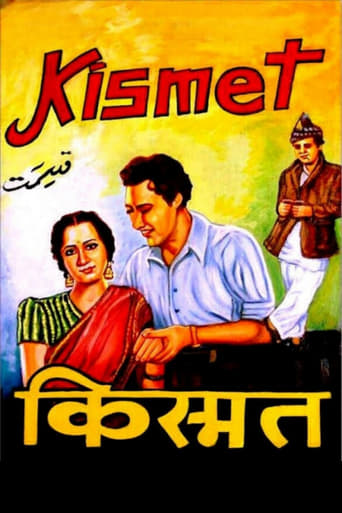
- Kismet (1943)
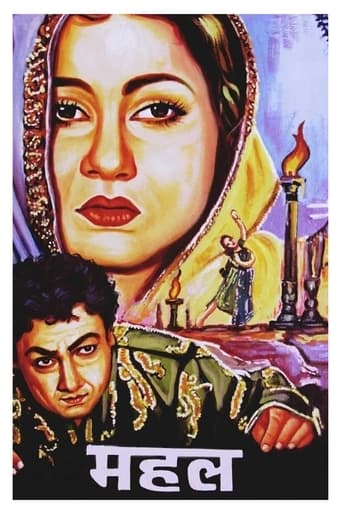
- Mahal (1949)
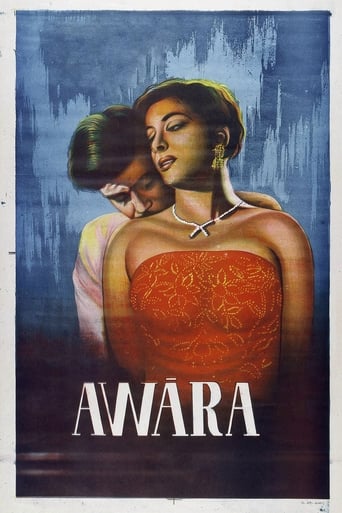
- Awaara (1951)
- Madhumati (1958)
- The 1963 remake of Khazanchi
- Numerous later Hindi murder mystery films
Film restoration
Like many films from the 1940s, Khazanchi faces significant preservation challenges. While portions of the film survive, particularly the famous musical sequences, the complete film in pristine condition is extremely rare. The National Film Archive of India has made efforts to preserve what remains of this important film, though much of the original material may be lost or deteriorated. Some versions available today are reconstructed from various sources and may not be complete or in their original quality. The film's historical significance has led to ongoing preservation efforts, though the fragility of early film stock and the lack of comprehensive archiving in the 1940s make complete restoration challenging.
Where to watch
- Original prints of Khazanchi are extremely rare and difficult to access. The film is occasionally shown at classic film festivals and retrospectives dedicated to early Indian cinema. Some portions, particularly the musical sequences, can be found on various online platforms including YouTube, though quality varies significantly and these are often not complete versions. The National Film Archive of India in Pune may have viewing facilities for researchers and serious film enthusiasts by appointment. Some specialized film libraries and academic institutions with South Asian cinema collections may also have access to copies of the film. Due to its age and preservation status, finding a complete, high-quality version remains challenging for general audiences.