
Madan Puri
Actor
Born: September 30, 1915 in Lahore, Punjab, British India (now Pakistan) Died: January 13, 1985 Active: 1941-1985 Birth Name: Madan Lal Puri
Films
2 films

About Madan Puri
Madan Puri was one of Indian cinema's most prolific and recognizable character actors, known primarily for his villainous roles that spanned over four decades. Born in Lahore in 1915, he began his film career in the early 1940s with Khazanchi (1941), which established him as a promising character actor. Throughout the 1950s and 1960s, he became typecast as the quintessential villain, appearing in over 300 films and often playing the scheming businessman, corrupt official, or criminal mastermind. His distinctive appearance, with his piercing eyes and mustache, made him instantly recognizable to audiences across India. Despite being typecast, Puri brought nuance and depth to his antagonistic roles, making his characters memorable and three-dimensional. He continued working actively through the 1970s and early 1980s, appearing in both mainstream and art-house cinema. His final years saw him transitioning to more sympathetic character roles before his death in 1985, leaving behind a legacy as one of Hindi cinema's most dependable character actors.
The Craft
On Screen
Known for his menacing screen presence and distinctive voice, Madan Puri specialized in playing sophisticated villains with a cold, calculating demeanor. He brought a theatrical intensity to his roles, using subtle facial expressions and controlled body language to convey menace. His acting style combined traditional Indian theatrical techniques with the more naturalistic approach of emerging Indian cinema, making his villains both terrifying and charismatic.
Milestones
- Film debut in Khazanchi (1941)
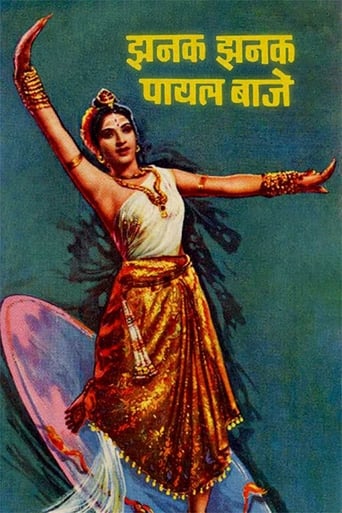
- Breakthrough role in Jhanak Jhanak Payal Baaje (1955)
- Established as leading villain in 1960s Hindi cinema
- Over 300 film appearances in career
- Transitioned to character roles in later years
- Mentored younger actors including his brother Amrish Puri
Best Known For
Iconic Roles
Must-See Films
Accolades
Won
- Filmfare Best Supporting Actor nomination for Upkar (1967)
Nominated
- Filmfare Award for Best Supporting Actor - Upkar (1967)
- Filmfare Award for Best Supporting Actor - Purab Aur Paschim (1970)
Special Recognition
- Posthumously recognized as one of Hindi cinema's most iconic villains
- Featured in retrospectives on Indian character actors
Working Relationships
Worked Often With
Studios
Why They Matter
Impact on Culture
Madan Puri significantly shaped the archetype of the Hindi film villain, establishing a template that would influence generations of actors. His sophisticated, educated villain characters reflected the changing social dynamics of post-independence India, often representing corrupt authority figures or morally compromised businessmen. His work helped elevate the status of character actors in Indian cinema, proving that supporting roles could be as impactful as leads. Puri's distinctive style contributed to the golden age of Hindi cinema's narrative complexity, providing memorable antagonists that challenged the heroes and drove the plots forward.
Lasting Legacy
Madan Puri's legacy endures through his vast body of work and the influence he had on subsequent generations of character actors. He remains. His success paved the way for other Punjabi actors in Bollywood and demonstrated the commercial viability of strong character-driven performances. The Puri family's contribution to Indian cinema, continued by his brother Amrish Puri and nephew Aman Puri, represents a significant dynasty in the industry's history.
Who They Inspired
Madan Puri influenced the portrayal of villains in Indian cinema by moving away from one-dimensional evil characters to more complex, motivated antagonists. His technique of combining menace with sophistication became a standard for villainous roles in Bollywood. Many subsequent villains, from Prem Chopra to Amrish Puri, built upon the foundation he established. His approach to character acting inspired actors to find dignity and depth in supporting roles, regardless of the character's moral alignment.
Off Screen
Madan Puri came from a Punjabi family with strong connections to the film industry. He was married and had children who later pursued careers outside of cinema. His younger brother Amrish Puri would become one of Indian cinema's most legendary villains, following in his footsteps. Puri was known for his professionalism on set and was respected by colleagues for his dedication to his craft despite often being typecast.
Education
Educated in Lahore before partition; completed schooling at Government College, Lahore
Family
- Sheela Puri (married 1940s-1985)
Did You Know?
- Appeared in over 300 films during his 44-year career
- Was the first actor in his family to enter films
- His brother Amrish Puri initially worked in a bank before becoming an actor on Madan's advice
- Often played characters much older than his actual age
- Was known for his punctuality and professionalism on film sets
- Never received formal acting training but learned through observation and experience
- Was a skilled horse rider and performed his own stunts in early films
- Spoke fluent Punjabi, Hindi, and Urdu
- Was offered roles in international films but preferred working in Indian cinema
- His death in 1985 coincided with the changing face of Bollywood villains
In Their Own Words
In cinema, even the villain must have his reasons. I always tried to understand why my character did what he did.
Being typecast is not a curse if you excel at what you do. I became the best at being bad.
My brother Amrish had more fire in him, but I taught him the craft of controlled menace.
The audience remembers a good villain longer than they remember an ordinary hero.
Every character, big or small, deserves respect. I never treated my roles as secondary.
Frequently Asked Questions
Who was Madan Puri?
Screen credits include over 300 Hindi films from 1941 to 1985. He was.
What films is Madan Puri best known for?
Titles linked here include Khazanchi (1941), Jhanak Jhanak Payal Baaje (1955).
When was Madan Puri born and when did he die?
Born September 30, 1915; died January 13, 1985.
What awards did Madan Puri win?
While Madan Puri received critical acclaim throughout his career, he was nominated for Filmfare Awards for Best Supporting Actor for Upkar (1967) and Purab Aur Paschim (1970). He was posthumously recognized as one of Hindi cinema's most iconic villains and has been featured in retrospectives on Indian character actors.
What was Madan Puri's acting style?
Madan Puri was known for his menacing yet sophisticated portrayal of villains, combining theatrical intensity with subtle facial expressions and controlled body language. He brought depth and complexity to antagonistic roles, creating memorable characters that were both terrifying and charismatic, elevating the standard for villain performances in Indian cinema.