
Films
3 films

About Manorama
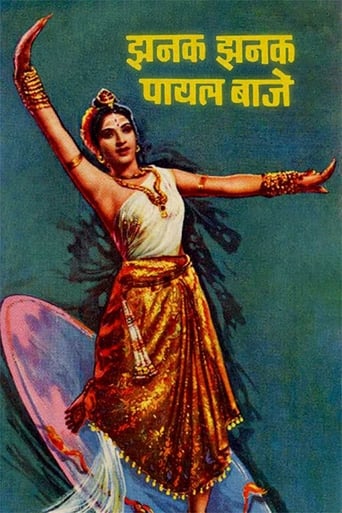
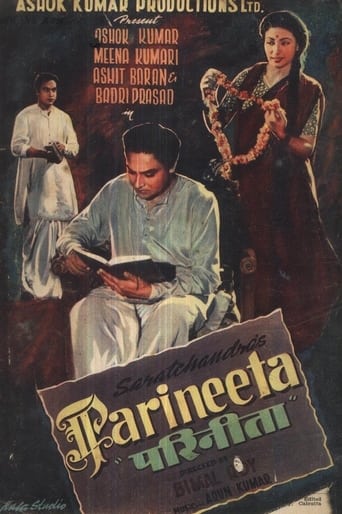
Made significant contributions to Hindi cinema during the 1940s and 1950s. She began her career in the early 1940s and quickly established herself as a versatile supporting actress capable of portraying various character types. Her breakthrough came with the musical hit Khazanchi (1941), where she showcased her ability to balance dramatic moments with the film's musical elements. Throughout the 1940s, she appeared in numerous productions, often playing pivotal supporting roles that added depth to the narratives. By the 1950s, she had become a respected character actress, working with some of the most prominent directors of the era including Bimal Roy and V. Shantaram. Her performance in Parineeta (1953) demonstrated her ability to convey complex emotions in subtle ways, while her role in Jhanak Jhanak Payal Baaje (1955) showed her adaptability to different genres. Though primarily known for her supporting roles, Manorama's performances were consistently praised for their authenticity and emotional depth, making her an integral part of the golden age of Indian cinema.
The Craft
On Screen
Manorama was known for her naturalistic acting style that brought authenticity to her character roles. She had a remarkable ability to convey complex emotions through subtle expressions and gestures, making her supporting characters memorable and impactful. Her performances were marked by a deep understanding of human psychology, allowing her to portray a wide range of emotions from maternal warmth to comic relief. She adapted well to different genres, from social dramas to musical extravaganzas, maintaining consistency in her performances while adjusting her technique to suit the film's tone.
Milestones
- Breakthrough role in Khazanchi (1941)
- Appearance in V. Shantaram's musical masterpiece Jhanak Jhanak Payal Baaje (1955)
- Established reputation as a reliable supporting actress throughout the 1940s
- Worked with prominent directors of the golden age of Indian cinema
Best Known For
Iconic Roles
Must-See Films
Working Relationships
Worked Often With
Studios
Why They Matter
Impact on Culture
Manorama contributed to the golden age of Indian cinema by providing depth and authenticity to supporting roles that were crucial to narrative development. Her performances helped establish the importance of well-developed character actors in Hindi cinema, paving the way for future generations of supporting artists. She demonstrated that character roles could be just as impactful as lead performances when executed with skill and dedication. Her work in films like Parineeta and Jhanak Jhanak Payal Baaje contributed to these classics' enduring legacy, as her performances added layers of authenticity to the storytelling.
Lasting Legacy
Manorama's legacy lies in her consistent contributions to quality cinema during one of Hindi cinema's most productive periods. While she may not have achieved the fame of lead actors, her body of work represents the foundation upon which many classic films were built. Her performances continue to be appreciated by film historians and classic cinema enthusiasts who recognize the vital role character actors play in creating memorable films. She represents the countless unsung heroes of Indian cinema whose dedication to their craft elevated the art form.
Who They Inspired
Manorama influenced subsequent generations of character actors by demonstrating the importance of authenticity and emotional depth in supporting roles. Her naturalistic acting style served as a model for actors seeking to bring realism to their performances. She showed that character actors could have significant impact on a film's success and artistic merit, encouraging filmmakers to invest more thought and resources into developing supporting characters.
Off Screen
Very limited information is available about Manorama's personal life, which was not uncommon for supporting actors of her era who often maintained privacy outside their professional work. Like many character actors of the 1940s and 1950s, she focused primarily on her craft and did not seek the spotlight that lead actors typically enjoyed.
Did You Know?
- Manorama appeared in Khazanchi (1941), which was one of the earliest successful musical films in Hindi cinema
- Parineeta (1953), one of her most notable films, was based on a novel by Sarat Chandra Chattopadhyay
- Jhanak Jhanak Payal Baaje (1955) won the Filmfare Award for Best Film and was India's first entry in the Oscars
- She worked during the transition from studio system to independent productions in Indian cinema
- Her active years covered the entire decade of the 1940s, a period of significant change in Hindi cinema
- Like many character actors of her era, she often played roles older than her actual age
- She was part of the cast that helped establish the musical formula that would dominate Hindi cinema for decades
- Her films often addressed social issues, reflecting the progressive cinema movement of the 1950s
Frequently Asked Questions
Who was Manorama?
Indian film actress who worked in Hindi cinema during the 1940s and 1950s, primarily known for her supporting roles in classic films like Khazanchi (1941), Parineeta (1953), and Jhanak Jhanak Payal Baaje (1955). She was a respected character actress who contributed significantly to the golden age of Indian cinema.
What films is Manorama best known for?
When was Manorama active in cinema?
Manorama was active in Indian cinema from approximately 1941 to 1955, spanning the crucial period when Hindi cinema was establishing its artistic identity and moving toward the golden age of the 1950s.
What was Manorama's acting style?
Manorama was known for her naturalistic acting style that brought authenticity to her character roles. She had a remarkable ability to convey complex emotions through subtle expressions and was particularly skilled at portraying maternal figures and family-oriented characters with depth and sincerity.
What directors did Manorama work with?
Manorama worked with several prominent directors of her era, including Moti B. Gidwani (Khazanchi), Bimal Roy (Parineeta), and V. Shantaram (Jhanak Jhanak Payal Baaje), all of whom were influential figures in shaping Indian cinema.
What was Manorama's contribution to Indian cinema?
Manorama's contribution lies in her consistent and quality performances in supporting roles that helped establish the importance of well-developed character actors in Hindi cinema. She demonstrated that supporting characters could be just as crucial to a film's success as lead roles, influencing how character actors were perceived in the industry.