
Films
3 films

About Jankidas Mehra
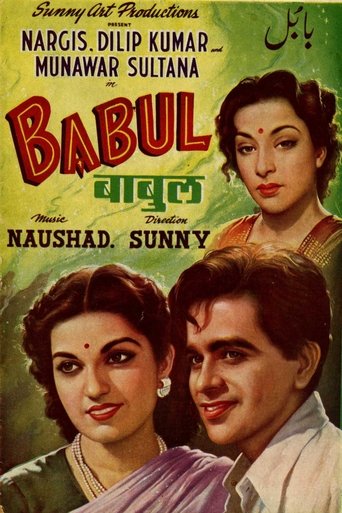
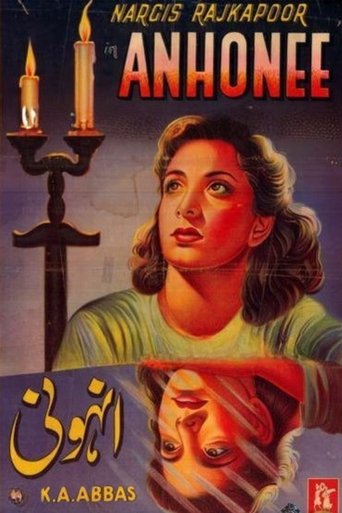
Indian actor who worked during the golden era of early Indian cinema, primarily in the 1940s and early 1950s. Jankidas appears in several significant films that helped shape the landscape of Hindi cinema during its formative years. His the crucial transition period when Indian cinema was establishing its unique identity and storytelling techniques. While not a leading man, he played important supporting roles that contributed to the narrative depth of many classic films. His performances in movies like Khazanchi (1941), which was a musical milestone, and Babul (1950), a family drama, showcased his versatility as an actor. The film Anhonee (1952) further demonstrated his ability to work in different genres, from musicals to psychological thrillers. Though his filmography may not be extensive, his contributions to early Indian cinema were meaningful during a pivotal decade in the industry's development.
The Craft
On Screen
Jankidas Mehra was known for his naturalistic supporting performances that complemented the lead actors in his films. His acting style reflected the transition from theatrical to more realistic performances that characterized early Indian cinema. He had the ability to adapt to various genres, from musical dramas to family narratives, bringing authenticity to his character roles.
Milestones
- Appeared in Khazanchi (1941), a landmark musical film
- Featured in Anhonee (1952) starring Raj Kapoor
- Contributed to early Hindi cinema during its formative years
- Worked during the golden era of Indian film industry
Best Known For
Iconic Roles
Must-See Films
Working Relationships
Worked Often With
Studios
Why They Matter
Impact on Culture
Jankidas Mehra, like many supporting actors of his era, played a crucial role in building the foundation of Indian cinema. His contributions to films like Khazanchi helped establish the musical tradition that would become synonymous with Bollywood. The films he participated in, particularly during the 1940s and early 1950s, were instrumental in creating the narrative structures and character archetypes that would define Indian cinema for decades. His work represents the collective effort of countless character actors who, while not always recognized by name, were essential to the success and artistic merit of classic Indian films.
Lasting Legacy
Jankidas Mehra's legacy is preserved through the classic films he helped create, which continue to be studied and appreciated by film historians and cinema enthusiasts. His participation in milestone films of early Indian cinema places him among the generation of actors who transitioned from pre-independence to post-independence Indian film industry. The films he appeared in, particularly Khazanchi with its revolutionary music and Babul with its social themes, remain important reference points in the history of Indian cinema.
Who They Inspired
While specific information about his direct influence on other actors is limited, Jankidas Mehra was part of the generation that established professional standards for character acting in Indian cinema. His work in ensemble casts helped demonstrate the importance of strong supporting performances in creating memorable films, a tradition that continues in Indian cinema today.
Off Screen
Limited information is available about Jankidas Mehra's personal life, as was common for many supporting actors of his era who did not receive extensive media coverage. His focus appeared to be primarily on his craft and contributions to Indian cinema during its early development.
Did You Know?
- Khazanchi (1941) was one of the earliest films to establish the 'Punjabi' style of music in Hindi cinema
- Anhonee (1952) was one of the first Indian films to feature a double role
- The 1940s was a crucial decade for Indian cinema's transition to more realistic storytelling
- Early actors like Jankidas Mehra often worked across multiple genres in the same year
- Many character actors of his era also worked in stage theatre
- The film industry in Bombay was rapidly expanding during his active years
- Early Indian cinema actors often had to adapt to new sound technology during their careers
Frequently Asked Questions
Who was Jankidas Mehra?
Indian with credits in this catalog. He primarily played supporting roles during the golden era of early Indian cinema.
What films is Jankidas Mehra best known for?
When was Jankidas Mehra active in films?
Jankidas Mehra was active in Indian cinema from approximately 1941 to 1952, working during a crucial period when Hindi cinema was establishing its unique identity and storytelling techniques.
What was Jankidas Mehra's acting style?
Jankidas Mehra was known for naturalistic supporting performances that complemented lead actors, adapting his style to various genres from musical dramas to family narratives, reflecting the transition to more realistic performances in early Indian cinema.
What was Jankidas Mehra's contribution to Indian cinema?
Jankidas Mehra contributed to early Indian cinema as part of the foundation-building generation of actors, helping establish the importance of strong supporting performances in ensemble casts and participating in milestone films that defined the industry's early development.