


Anhonee
"An impoverished advocate faces challenges after he falls in love"
Keys: Space play/pause · ←/→ 10s · F fullscreen · M mute · </> speed
About this film
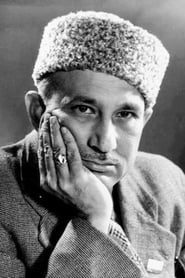
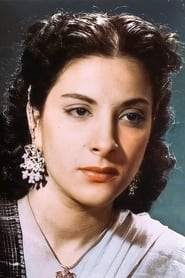
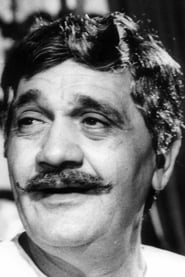
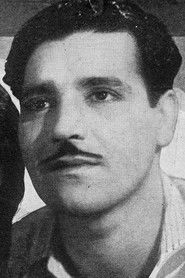
An impoverished advocate faces challenges after he falls in love with a wealthy woman who has a look-alike courtesan sister. The film stars Nargis in a double role alongside Raj Kapoor in the lead, supported by Om Prakash, Agha, David, Achla Sachdev in other prominent roles. Nargis was highly appreciated for enacting a dual role and her performance garnered critical acclaim. Abbas attempted to explore two concepts – Geneticsm and Determinism, a theme which he experimented in Awara (1951).
Cast & crew
More films like this
More Drama films
View all →







More from Khwaja Ahmad Abbas
View all →
More about this film
About the production
Release date1952
BudgetNot documented in available records
Box officeLimited records from this era, but reported to be moderately successful
ProductionN. S. Ansari Productions
Filmed inBombay (now Mumbai), India
The film was notable for its time for featuring Nargis in a double role, which required sophisticated makeup and costume techniques for the 1950s. Director Khwaja Ahmad Abbas was known for his socially conscious themes, and this film continued his tradition of addressing class divides and social prejudices. The production faced challenges in creating convincing dual scenes with Nargis playing both characters, requiring careful choreography and camera work.
Themes
Class discrimination and social hierarchyIdentity and mistaken identityLove transcending social barriersWomen's roles and societal judgmentAppearance versus reality
Themes & topics
dual rolemistaken identitycourtesanclass differencesforbidden loveidentical twinssocial prejudiceimpoverished herowealthy heroinefamily oppositionromancedramathriller elements
Historical background
Postwar screen culture in 1952 faced television competition, shifting star systems, and new international co-production models. Archival sources describe Anhonee as 1952 hindi film directed by khwaja ahmad abbas. Contemporary context can be traced through sources such as the Wikipedia article on Anhonee (1952 film).
Why this film matters
Anhonee remains part of the screen heritage of its era, offering evidence of prevailing genres, production methods, and audience tastes. Later revivals, archive screenings, and digitization have kept such titles accessible to researchers and dedicated viewers long after their first commercial runs.
Making of
The making of 'Anhonee' presented significant technical challenges for 1952 Indian cinema, particularly in executing the dual role sequences. Director Khwaja Ahmad Abbas worked closely with cinematographer to develop innovative techniques for filming scenes with both of Nargis's characters. The production team used matte paintings and careful blocking to create the illusion of twins interacting. Raj Kapoor and Nargis were at the height of their professional relationship during this period, and their off-screen chemistry translated into powerful on-screen performances. The film's production was marked by Abbas's meticulous attention to social detail, ensuring that the class differences portrayed felt authentic to the audience. The dance sequences required extensive rehearsals, with Nargis having to learn different movement styles for each character - the graceful, refined movements of Roop versus the more sensual, expressive style of the courtesan Rani.
What critics said
Later reference works note acclaim for Anhonee, though detailed contemporary review files may be incomplete. Modern assessment tends to emphasize historical value, craft, and cultural context rather than box-office performance.
Did you know?
- Nargis played dual roles in this film - one as the respectable Roop and another as the courtesan Rani, which was considered a challenging feat for actresses in that era
- Director Khwaja Ahmad Abbas was known for his progressive and socially relevant films, and 'Anhonee' continued this tradition by addressing class discrimination
- The film's title 'Anhonee' translates to 'Impossible' or 'Unreal', reflecting the theme of impossible love and mistaken identities
- This was one of the early films to explore the concept of identical twins with different social standings in Indian cinema
- The chemistry between Raj Kapoor and Nargis was particularly praised, as this was during their peak collaborative period in the 1950s
- The film featured elaborate dance sequences for the courtesan character, showcasing Nargis's versatility as an actress
- The production used innovative camera techniques of the time to create convincing scenes with both of Nargis's characters appearing together
- Om Prakash's comic timing provided relief in this otherwise intense drama, showcasing his range as an actor
- The film's music became popular despite the movie's moderate box office performance
- The costume design was particularly notable for differentiating the twin sisters through contrasting wardrobe choices
Awards & recognition
- Filmfare Award for Best Actress - Nargis (nominated but winner was Meena Kumari for 'Baiju Bawra')
Visual style
The cinematography of 'Anhonee' was notable for its innovative techniques in handling the dual role sequences. The camera work employed careful framing and lighting to distinguish between the two characters played by Nargis, using different lighting schemes for Roop and Rani to visually reinforce their contrasting personalities. The film used soft focus and specific camera angles to create the illusion of twins interacting in the same frame. The dance sequences featured dynamic camera movements that captured the energy of the performances. The visual style contrasted the bright, clean aesthetic of the wealthy household with the more atmospheric, shadowy lighting of the courtesan's world. The cinematography successfully supported the film's themes of duality and social contrast through visual storytelling.
Innovations
For its time, 'Anhonee' achieved significant technical milestones in Indian cinema, particularly in the execution of dual role sequences. The film employed sophisticated matte painting techniques and careful editing to create convincing scenes with both of Nargis's characters appearing together. The makeup department developed innovative techniques to subtly differentiate the twin sisters' appearances. The sound recording and mixing techniques were advanced for the period, ensuring clarity in dialogue-heavy scenes involving mistaken identity. The film's editing effectively maintained the suspense and confusion central to the plot while keeping the narrative coherent. The production design successfully created two distinct visual worlds for the twin characters, reinforcing their social differences through set design and props.
Music
The music of 'Anhonee' was composed by the talented duo of Shankar-Jaikishan, with lyrics by Hasrat Jaipuri and Shailendra. The soundtrack featured several memorable songs that became popular in their time, particularly the romantic numbers picturized on Raj Kapoor and Nargis. The music successfully differentiated between the two worlds of the characters - classical and refined for the respectable Roop, and more rhythmic and dance-oriented for the courtesan Rani. The songs 'Aaja Re Aaja' and 'Dukh Ke Din' were particularly well-received by audiences. The soundtrack showcased the versatility of the composers in creating contrasting musical styles within the same film. The background score effectively heightened the dramatic tension in scenes involving mistaken identity and emotional confrontations.
Famous quotes
Pyar kiya toh darna kya, jab dil hi tod diya toh kya kiya
A philosophical reflection on love and heartbreak)
Zindagi mein kuch anhonee zaroori hota hai, warna toh kuch bhi nahi hota
Reflection on the necessity of the impossible in life)
Logon ki soch se bada insaan ki soch hoti hai
A person's thinking is greater than society's thinking)
Dil aur dhadkan ka koi jaat nahi hota
Heart and heartbeat have no caste) ]
memorableScenes
preservationStatus
The film exists in archives but has not been officially restored in high definition. Some prints are available in film archives and through classic film distributors, though quality varies. The film is occasionally screened at classic film festivals and retrospectives. Some versions available on streaming platforms may be of varying quality due to the age of the source material.
whereToWatch
What audiences thought
The film received a moderate response from audiences upon its release, with particular appreciation for Nargis's dual performance and the emotional chemistry between her and Raj Kapoor. The dramatic scenes involving mistaken identity created suspense and engagement among viewers. While not as commercially successful as some other Raj Kapoor-Nargis collaborations of the era, the film developed a cult following over the years. The music and dance sequences were particularly popular with audiences, with some songs gaining lasting popularity. The film's treatment of social issues resonated with viewers facing similar class divisions in their own lives. Over time, 'Anhonee' has been appreciated by classic cinema enthusiasts for its bold themes and the performances of its lead actors.
Film connections
Influenced by
- Western films featuring dual roles and mistaken identities
- Indian literary traditions of twin stories
- Socially conscious cinema of the early 1950s
- Classical Indian dance forms
- Hollywood romantic dramas of the 1940s
This film influenced
- Later Bollywood films featuring dual roles
- Socially conscious romantic dramas of the 1950s and 1960s
- Films exploring class divisions in romance
- Movies using mistaken identity as a central plot device
Where to watch
- Wikimedia Commons: https://commons.wikimedia.org/wiki/File:Anhonee%20(%201952)%20-%20Nargis%20-%20Raj%20Kapoor%20-%20Agha%20-%20David%20Abraham%20-%20Blockbuster%20-%20Black%20And%20white%20-%20Drama.webm