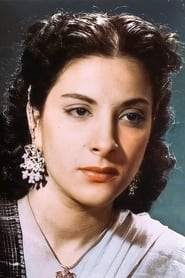
Nargis
Actor
Born: June 1, 1929 in Calcutta, Bengal Presidency, British India Died: May 3, 1981 Active: 1935-1981 Birth Name: Fatima Abdul Rashid
Films
13 films




About Nargis
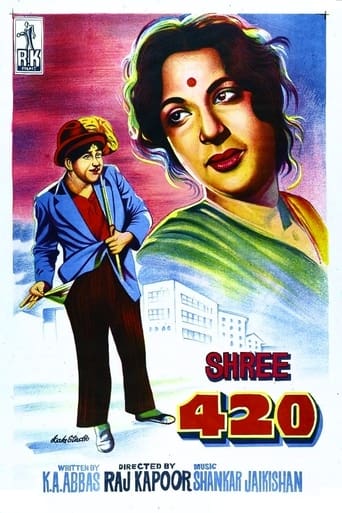
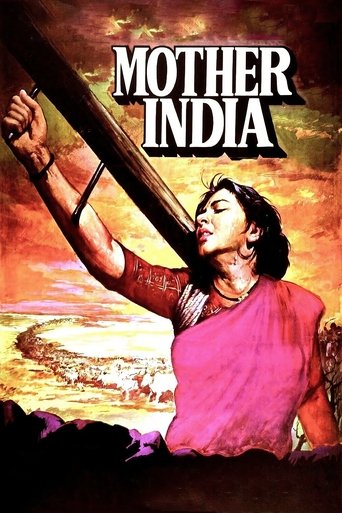
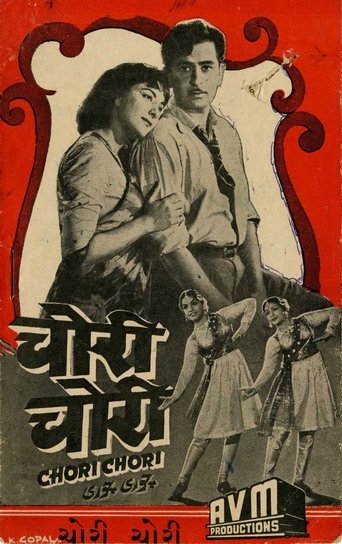
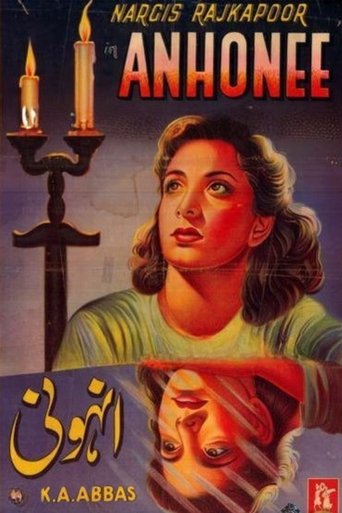
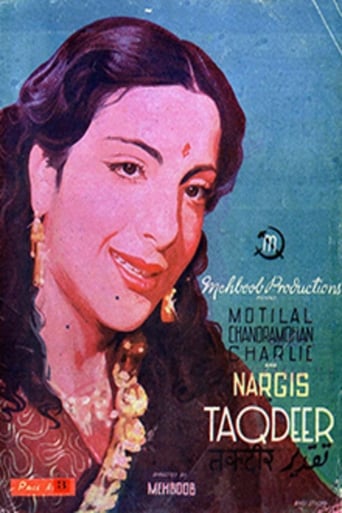
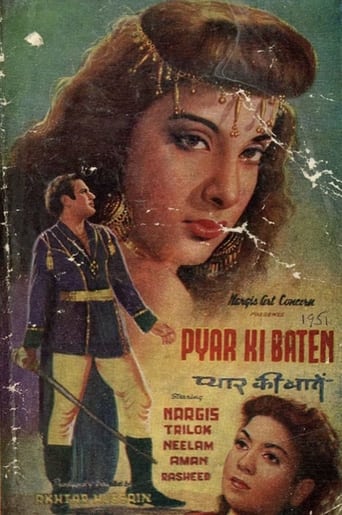
Nargis, born Fatima Rashid, was one of Indian cinema's most and influential actresses who dominated the Hindi film industry during its Golden Age. She began her career as a child artist in the 1935 film 'Talash' and made her official debut as a lead actress in 'Taqdeer' (1943) opposite Motilal. Her breakthrough came with Raj Kapoor's 'Barsaat' (1949), which established her as a major star and began their on-screen partnership that would span 16 films. Throughout the 1950s, she delivered powerful performances in classics like 'Awaara' (1951), 'Shree 420' (1955), and 'Chori Chori' (1956), showcasing her remarkable range from romantic leads to complex dramatic roles. Her career reached its zenith with 'Mother India' (1957), a performance so powerful it earned her an Academy Award nomination for Best Actress, making her one of the first Indian actors to achieve this international recognition. After marrying Sunil Dutt in 1958, she took a hiatus from films but returned to win the National Film Award for Best Actress for 'Raaz Aur Hukumat' (1979). Beyond her acting career, she became a prominent social worker and was nominated to the Rajya Sabha, India's upper house of parliament, before her untimely death from pancreatic cancer in 1981.
The Craft
On Screen
Nargis was known for her naturalistic acting style that combined emotional depth with subtle restraint, bringing unprecedented realism to Indian cinema. Her technique involved deep character study and the ability to convey complex emotions through minimal gestures and expressions, making her performances relatable and authentic. She excelled in both romantic and dramatic roles, with a particular gift for portraying strong maternal figures and suffering women with dignity and strength. Her collaboration with Raj Kapoor allowed her to explore the modern Indian woman's psyche, while her later work, especially in 'Mother India,' showcased her ability to embody traditional values with contemporary sensibility.
Milestones
- Film debut in 'Taqdeer' (1943)
- Breakthrough in 'Barsaat' (1949)
- Academy Award nomination for 'Mother India' (1957)
- National Film Award for 'Raaz Aur Hukumat' (1979)
- Padma Shri award (1958)
- Marriage to Sunil Dutt (1958)
- Rajya Sabha nomination (1980)
Best Known For
Iconic Roles
Must-See Films
Accolades
Won
- National Film Award for Best Actress (1979) - Raaz Aur Hukumat
- Padma Shri (1958)
- Bengal Film Journalists' Association Awards - Best Actress for 'Mother India' (1958)
- Filmfare Award for Best Actress for 'Mother India' (1958)
Nominated
- Academy Award for Best Actress (1958) - Mother India
- Filmfare Award for Best Actress for 'Awaara' (1952)
- Filmfare Award for Best Actress for 'Shree 420' (1956)
- Filmfare Award for Best Actress for 'Chori Chori' (1957)
Special Recognition
- Star on the Bollywood Walk of Fame
- Featured on India Postage Stamp (2018)
- Rajya Sabha Member (1980-1981)
- Named one of 'Greatest Actresses of Indian Cinema' by Forbes India
Working Relationships
Worked Often With
Studios
Why They Matter
Impact on Culture
Nargis revolutionized Indian cinema by bringing naturalistic acting techniques to mainstream Bollywood, moving away from the theatrical style prevalent in earlier films. Her portrayal of Radha in 'Mother India' became an representation of Indian womanhood, influencing cultural perceptions of motherhood and sacrifice for decades. She was instrumental in establishing the archetype of the modern Indian woman who could be both traditional and progressive, a balance that resonated with post-independence India's evolving social values. Her international recognition, particularly the Oscar nomination, helped put Indian cinema on the global map and opened doors for future Indian filmmakers and actors. Nargis also broke barriers by successfully transitioning from being a glamorous leading lady to playing character roles, challenging ageism in the industry.
Lasting Legacy
Nargis's legacy endures through her timeless performances that continue to be studied and admired by film scholars and actors alike. She established a new benchmark for acting in Indian cinema, emphasizing emotional authenticity over melodrama, which influenced subsequent generations of performers. Her role in 'Mother India' remains. The Nargis Dutt Memorial Cancer Foundation, established by her husband Sunil Dutt after her death, continues her humanitarian work and has helped thousands of cancer patients. Her influence extends beyond cinema into social service, as she demonstrated how celebrities could leverage their fame for social good, inspiring many Indian actors to engage in philanthropy.
Who They Inspired
Nargis influenced Indian cinema by demonstrating the power of subtle, realistic acting in an era dominated by theatrical performances. Her technique of internalizing emotions rather than externalizing them became a model for method acting in Bollywood. She inspired actresses to take on more complex, layered roles rather than being content with decorative parts. Her successful pairing with Raj Kapoor created a template for romantic chemistry in Indian films that many subsequent pairs tried to emulate. International filmmakers studying Indian cinema often cite her work as exemplary of the emotional depth possible within the commercial film format. Many prominent actresses, from Shabana Azmi to Smita Patil to more contemporary stars like Vidya Balan, have acknowledged Nargis as an inspiration for their approach to character development and screen presence.
Off Screen
Nargis was born into a film family as the daughter of singer-actress Jaddan Bai and Abdul Rashid, who abandoned the family when she was young. She was raised by her mother, who was a figure in early Indian cinema, giving Nargis early exposure to the film industry. In 1958, she married actor Sunil Dutt, whom she met during the filming of 'Mother India' when he saved her from a fire on set. Their marriage was considered one of Bollywood's most enduring relationships, lasting until her death. They had two children: Sanjay Dutt, who became a prominent actor, and Namrata Dutt, who stayed away from films. Nargis was known for her philanthropic work, particularly with the Spastics Society of India, and was actively involved in social causes throughout her life.
Education
Attended Queen Mary's School, Mumbai; later studied at Jai Hind College, Mumbai (did not complete degree due to film commitments)
Family
- Sunil Dutt (1958-1981)
Did You Know?
- Was the first Indian actress to be nominated for an Academy Award for Best Actress
- Her mother Jaddan Bai was one of the first female music composers in Indian cinema
- Saved from a fire on the set of 'Mother India' by her future husband Sunil Dutt
- Her screen name 'Nargis' means 'Narcissus flower' in Persian
- Spoke fluent Urdu, Hindi, and English
- Was offered a role in a Hollywood film but declined due to prior commitments
- Her performance in 'Mother India' was shot while she was pregnant with her son Sanjay
- Was a chain smoker who died of pancreatic cancer at age 51
- Founded the Ajanta Arts Cultural Troupe to entertain Indian soldiers
- Was the first film personality to be nominated to India's Rajya Sabha
- Her last film 'Raaz Aur Hukumat' was released posthumously
- Turned down the role that eventually went to Waheeda Rehman in 'Pyaasa'
In Their Own Words
Acting is not about being someone different. It's finding the similarity in what is apparently different, then finding myself in there.
I never thought I would become an actress. I wanted to be a doctor.
Mother India was not just a film for me, it was an experience that changed my life.
The camera doesn't lie. If you're not feeling it, the audience will know.
I believe cinema is a powerful medium for social change.
Frequently Asked Questions
Who was Nargis?
Nargis was one of Indian cinema's greatest actresses, active from the 1930s to 1980s, known for her naturalistic acting style and role in 'Mother India'. She was a figure who brought international recognition to Indian cinema and was the first Indian actress nominated for an Academy Award.
What films is Nargis best known for?
Titles linked here include Mother India (1957), Awaara (1951).
When was Nargis born and when did she die?
Born June 1, 1929; died May 3, 1981.
What awards did Nargis win?
Nargis won the National Film Award for Best Actress for 'Raaz Aur Hukumat' (1979), the Padma Shri in 1958, and several Filmfare and BFJA awards. Most notably, she was nominated for an Academy Award for Best Actress for 'Mother India' in 1958.
What was Nargis's acting style?
Nargis was known for her naturalistic and realistic acting style, bringing emotional depth and authenticity to her roles. She pioneered subtle expression techniques in Bollywood, moving away from theatrical performances toward more nuanced, internally motivated acting that influenced generations of Indian actors.
Who was Nargis married to?
Nargis married actor Sunil Dutt in 1958, whom she met during the filming of 'Mother India' when he saved her from a fire on set. They remained married until her death in 1981 and had two children, Sanjay Dutt and Namrata Dutt.
What was Nargis's contribution to society beyond films?
Beyond her film career, Nargis was actively involved in social work, particularly with the Spastics Society of India. She was nominated to India's Rajya Sabha (upper house of parliament) in 1980, and after her death, the Nargis Dutt Memorial Cancer Foundation was established in her memory to help cancer patients.