
Achala Sachdev
Actor
Born: May 3, 1920 in Peshawar, British India (now Pakistan) Died: April 30, 2012 Active: 1940s-2000s
Films
2 films

About Achala Sachdev
Indian actress who became one of Bollywood's most beloved character actors, specializing in mother and grandmother roles throughout her remarkable six-decade career. Born in 1920 in Peshawar (now Pakistan), she began her acting journey in the 1940s and quickly established herself as a versatile performer capable of portraying both traditional and modern characters. Her breakthrough came with her ability to bring depth and authenticity to maternal roles, making her the go-to actress for mother figures in Indian cinema. Sachdev's filmography spans over 250 films in multiple languages including Hindi, Punjabi, and English, showcasing her remarkable range and adaptability. She worked with directors and actors across generations, from the golden era of Indian cinema to contemporary films of the 2000s. Her performances in films like 'Waqt' (1965), 'Mausam' (1975), and 'Chandni' (1989) became representations of Indian motherhood on screen. Even in her later years, she continued to work actively, appearing in films until the early 2000s, cementing her legacy as one of Indian cinema's most enduring and respected character actresses.
The Craft
On Screen
Naturalistic and emotionally authentic, specializing in portraying the quintessential Indian mother with warmth, dignity, and depth. Her acting style was characterized by subtle expressions, restrained emotions, and an ability to convey complex maternal feelings through minimal dialogue. Sachdev had a unique talent for making every mother role distinct, avoiding typecasting despite frequently playing similar characters. She brought a sense of realism and relatability to her performances, making her characters feel like real mothers rather than cinematic stereotypes.
Milestones
- Debut in the 1940s Indian film industry
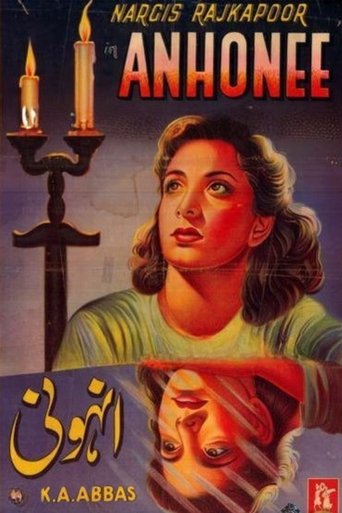
- Breakthrough role in 'Anhonee' (1952)
- performance in 'Waqt' (1965)
- Memorable role in 'Mausam' (1975)
- Critically acclaimed performance in 'Chandni' (1989)
- International film appearances including 'The Householder' (1963)
- Six-decade career spanning over 250 films
Best Known For
Iconic Roles
Must-See Films
Accolades
Won
- Filmfare Award for Best Supporting Actress (1975) - 'Mausam'
- Kalakar Award for Lifetime Achievement
- Screen Lifetime Achievement Award
Nominated
- Filmfare Award nominations for multiple supporting roles throughout her career
Special Recognition
- Recognized as one of Indian cinema's most prolific character actresses
- Honored at various film festivals for her contribution to Indian cinema
- Posthumously celebrated in retrospectives of classic Indian cinema
Working Relationships
Worked Often With
Studios
Why They Matter
Impact on Culture
Achala Sachdev fundamentally shaped the representation of motherhood in Indian cinema, creating an archetype that influenced how maternal figures were portrayed in Bollywood for decades. Her performances transcended mere acting to become cultural touchstones, with her characters representing the ideal Indian mother - loving, sacrificial, yet strong and principled. She helped normalize the presence of older women in leading films, ensuring that maternal roles received proper screen time and character development. Her work in international films like 'The Householder' helped bridge Indian cinema with global audiences, showcasing Indian acting talent on an international platform.
Lasting Legacy
Achala Sachdev's legacy endures through her vast body of work and the standard she set for character acting in Indian cinema. She proved that supporting roles could be as impactful as leads, inspiring countless actors to embrace character roles with dignity and excellence. Her ability to adapt through different eras of Indian cinema, from the golden age to modern Bollywood, demonstrated remarkable versatility and relevance. Today, she is remembered as one of Indian cinema's most respected and beloved character actresses, whose contributions continue to influence how maternal roles are conceived and performed in Indian films.
Who They Inspired
Sachdev influenced generations of character actresses in Bollywood, establishing a template for how to portray mother roles with authenticity and depth. Her naturalistic acting style inspired actors to move away from theatrical performances toward more realistic portrayals. Many contemporary character actresses cite her as an inspiration for bringing dignity and importance to supporting roles. Her career longevity demonstrated that character actors could have sustainable, respected careers in Indian cinema, encouraging many to pursue similar paths.
Off Screen
Achala Sachdev was married to Clifford Douglas Peters, an Australian who worked as a production manager in Indian films. Their cross-cultural marriage was unusual for its time in India. After her husband's death, she lived alone in Pune for many years. In her later years, she faced health challenges and was reportedly neglected by her only son, which brought attention to the issue of elderly care in India. Despite her personal struggles, she maintained her dignity and continued to be respected in the film industry.
Education
Educated in Peshawar before moving to Bombay to pursue acting
Family
- Clifford Douglas Peters (married until his death)
Did You Know?
- Appeared in over 250 films in a career spanning six decades
- Was one of the first Indian actresses to work in international productions
- Her role in 'Waqt' (1965) established the 'lost and found' mother trope in Bollywood
- Worked with three generations of the Kapoor family in films
- Fluent in multiple languages including Hindi, Punjabi, Urdu, and English
- Her international film 'The Householder' (1963) was directed by James Ivory
- Despite being typecast as a mother, she never had biological children of her own until late in life
- Was known for her punctuality and professionalism on film sets
- Continued acting well into her 70s and 80s
- Her final years were marked by health issues and neglect, highlighting problems with elderly care in India
In Their Own Words
I never felt I was playing a mother; I was playing a human being who happened to be a mother
Age is just a number in cinema. What matters is how you connect with your audience
Every mother I played was different because every child I worked with was different
The camera doesn't lie, so I always tried to be truthful in my performances
Frequently Asked Questions
Who was Achala Sachdev?
Indian character actress who specialized in mother and grandmother roles in Bollywood films. She had a career spanning six decades, appearing in over 250 films and becoming one of Indian cinema's most beloved maternal figures on screen.
What films is Achala Sachdev best known for?
Titles linked here include Waqt (1965), Mausam (1975).
When was Achala Sachdev born and when did she die?
Born May 3, 1920; died April 30, 2012.
What awards did Achala Sachdev win?
She won the Filmfare Award for Best Supporting Actress for 'Mausam' (1975) and received several lifetime achievement awards including the Kalakar Award and Screen Lifetime Achievement Award for her contributions to Indian cinema.
What was Achala Sachdev's acting style?
Her acting style was naturalistic and emotionally authentic, characterized by subtle expressions and restrained emotions. She specialized in bringing depth and realism to maternal roles, making each mother character unique despite playing similar roles throughout her career.
How long was Achala Sachdev's career?
Her active years covered an impressive six decades, from the 1940s until the early 2000s, during which she appeared in over 250 films across multiple languages including Hindi, Punjabi, and English.
Did Achala Sachdev work in international films?
Yes, she appeared in the international production 'The Householder' (1963), directed by James Ivory, which was one of the early Indian-English collaborations and helped introduce Indian acting talent to global audiences.