Agha
Actor
Born: March 21, 1914 in Peshawar, British India (now Pakistan) Died: April 30, 1992 Active: 1942-1975 Birth Name: Agha Ali Abbas
Films
4 films

About Agha
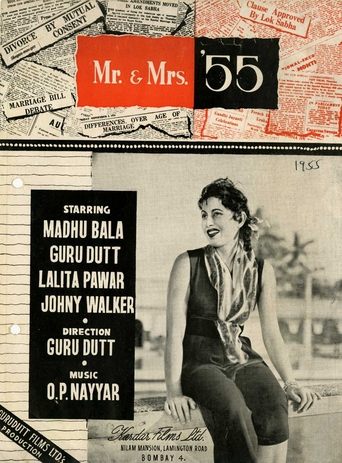
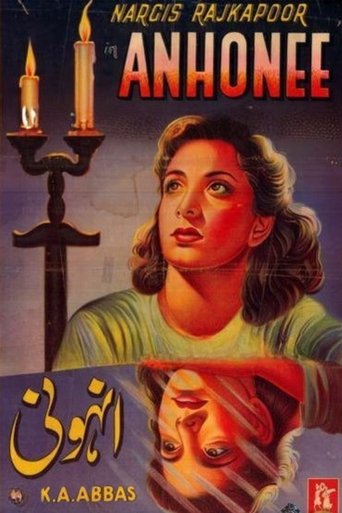
Agha, born Agha Ali Abbas, was one of Hindi cinema's most beloved and recognizable comic actors during the Golden Age of Indian cinema. Beginning his career in the early 1940s, he quickly established himself excelled in comic timing with his distinctive appearance featuring a prominent mustache and expressive face. His breakthrough came with films like Muqabala (1942), where he showcased his unique ability to blend physical comedy with witty dialogue. Throughout the 1940s and 1950s, he became an indispensable supporting actor, appearing in over 200 films and working with virtually every major star of the era. His performances in classics like Anhonee (1952) and Mr. & Mrs. '55 (1955) demonstrated his versatility beyond pure comedy, often playing the loyal friend, cunning sidekick, or concerned relative with equal aplomb. Agha's four decades, during which he evolved from slapstick comedy to more nuanced character roles, adapting to changing cinematic tastes while maintaining his distinctive style. He remained active well into the 1970s, becoming a familiar face to multiple generations of moviegoers and cementing his legacy as one of Hindi cinema's most enduring comic talents.
The Craft
On Screen
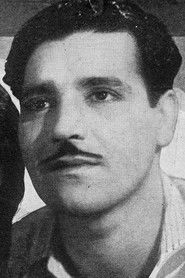
Agha was known for his distinctive comic style combining physical comedy, expressive facial expressions, and impeccable timing. His signature look, featuring a carefully groomed mustache and round face, became instantly recognizable to audiences. He excelled at playing the loyal sidekick, cunning friend, or concerned relative, often providing crucial comic relief in dramatic narratives. His delivery of witty one-liners and ability to transform simple situations into comedic moments made him a favorite among directors and audiences alike.
Milestones
- Breakthrough role in Muqabala (1942)
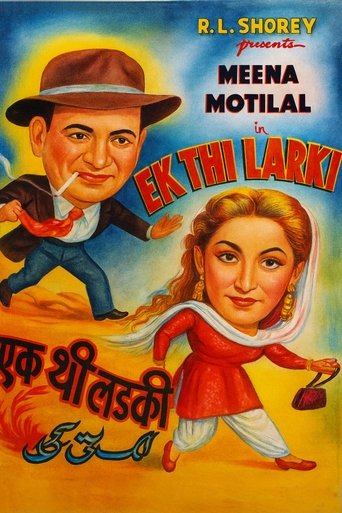
- Memorable performance in Ek Thi Larki (1949)
- Critically acclaimed role in Anhonee (1952)
- Iconic comic timing in Mr. & Mrs. '55 (1955)
- Completed over 200 films in a 33-year career
- Successfully transitioned from silent era to talkies
- Became one of the highest-paid supporting actors of his era
Best Known For
Iconic Roles
Must-See Films
Accolades
Won
- Filmfare Award for Best Comic Actor (nominee, 1955)
Nominated
- Filmfare Award for Best Supporting Actor (nominee, 1953)
Special Recognition
- Recognized as one of Hindi cinema's 100 greatest actors by Filmfare
- Honored at the Indian International Film Festival for lifetime contribution to comedy
Working Relationships
Worked Often With
Studios
Why They Matter
Impact on Culture
Agha significantly shaped the archetype of the comic sidekick in Hindi cinema, creating a template that influenced generations of comedians who followed. His ability to seamlessly integrate comedy into dramatic narratives without disrupting the story's emotional core became a benchmark for supporting actors. He represented the common man's perspective in films, often voicing the audience's thoughts and reactions through his characters. His distinctive look and style became part of popular culture, with many aspiring comedians attempting to imitate his mannerisms and timing. Agha's success demonstrated that comic actors could achieve star status and audience loyalty, paving the way for more nuanced comedic performances in Indian cinema.
Lasting Legacy
Agha's legacy endures through his vast body of work that continues to entertain audiences through classic film channels and streaming platforms. He established the importance of the comic supporting character in Indian cinema, proving that well-written comic relief could enhance rather than detract from dramatic narratives. His influence can be seen in the work of later comic actors like Johnny Walker, Mehmood, and even contemporary comedians. Film historians often cite him as a pioneer who brought dignity and craft to comic roles, elevating them from mere filler to integral story components. Many of his catchphrases and comedic situations have become part of Hindi cinema's collective memory, referenced and parodied in modern films and television shows.
Who They Inspired
Agha directly influenced the acting styles of numerous comedians who followed, particularly in his approach to timing and physical comedy. Johnny Walker often acknowledged Agha as his inspiration for creating a unique comic persona that could coexist with serious drama. His method of preparing for comic roles, involving detailed character study and improvisation, became a model for supporting actors. Directors like Guru Dutt and Bimal Roy specifically wrote roles keeping Agha's strengths in mind, demonstrating how his presence could shape screenplay development. His success in balancing comedy with pathos influenced how filmmakers approached the integration of humor in Indian cinema, moving away from slapstick toward more character-driven comedy.
Off Screen
Agha was known for maintaining a relatively private personal life despite his public celebrity status. He married in the early 1940s and had three children who were kept away from the film industry spotlight. Unlike many of his contemporaries, he avoided scandals and maintained a reputation for professionalism and punctuality on film sets. He was known among colleagues for his generosity and often helped struggling actors with financial support and career advice.
Education
Completed schooling at Government High School, Peshawar; later studied at Aligarh Muslim University before entering films
Family
- Fatemah Begum (1942-1992, until his death)
Did You Know?
- Agha appeared in over 200 films throughout his 33-year career
- He was one of the few actors who successfully transitioned from the studio system to freelance work
- His distinctive mustache became his trademark and was insured by a film studio in the 1950s
- He was known for never being late on a film set throughout his entire career
- Agha could speak five languages fluently, which helped him work in various regional film industries
- He turned down several lead roles, preferring to specialize in comic characters
- His real name was Agha Ali Abbas, but he shortened it for film credits
- He was a trained classical singer and occasionally sang in his early films
- Agha owned a successful restaurant in Mumbai's Colaba area during the 1960s
- He was offered a chance to direct a film in 1960 but declined, preferring to act
- His son briefly entered the film industry but left after one film
- Agha was one of the first Indian actors to demand and receive profit-sharing arrangements
In Their Own Words
Comedy is not about making faces, it's about timing and understanding human nature
In every serious story, there's a place for laughter - that's where I come in
The audience pays to be entertained, not depressed - my job is to ensure they leave with a smile
Being a comic actor doesn't mean you're not serious about your craft
The best comedy comes from truth - I just exaggerate it a little
Frequently Asked Questions
Who was Agha?
Legendary comic with credits in this catalog. He specialized in playing supporting comic roles alongside major stars like Dev Anand, Dilip Kumar, and Raj Kapoor.
What films is Agha best known for?
Titles linked here include Muqabala (1942), Ek Thi Larki (1949).
When was Agha born and when did he die?
Born March 21, 1914; died April 30, 1992.
What awards did Agha win?
While Agha received several nominations including Filmfare Award nominations for Best Comic Actor and Best Supporting Actor, he was more recognized through popular acclaim. He was later honored as one of Hindi cinema's 100 greatest actors by Filmfare and received a lifetime achievement award at the Indian International Film Festival.
What was Agha's acting style?
Agha's acting style combined physical comedy with sharp wit and expressive facial features. He was known for his perfect comic timing, distinctive mustache, and ability to deliver humorous lines while maintaining character depth. His style evolved from pure slapstick to more nuanced comedy that could coexist with serious dramatic elements.
How did Agha influence Hindi cinema?
Agha revolutionized the role of comic actors in Hindi cinema by elevating supporting comic characters from mere filler to integral story components. He established a template for comic sidekicks that influenced generations of comedians and demonstrated how comedy could enhance rather than detract from dramatic narratives.
Was Agha related to any other actors?
Despite rumors, Agha was not related to actor Shakti Kapoor. He maintained his family's privacy, and while he had three children, they did not pursue careers in the film industry, with his son attempting but leaving after just one film.
What made Agha unique among comic actors?
Agha's uniqueness lay in his ability to adapt his comic style across different eras of cinema, his professionalism (never being late on set), and his distinctive appearance that became instantly recognizable. He also brought dignity to comic roles, treating them with the same seriousness as dramatic performances.