


Munimji
"Betrothal broken — stranger arrives"
Keys: Space play/pause · ←/→ 10s · F fullscreen · M mute · </> speed
About this film
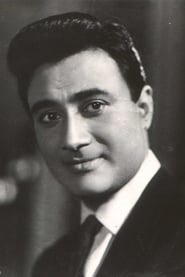
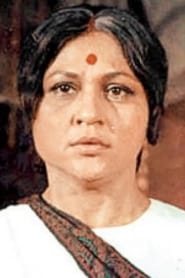
Wealthy Roopa's betrothal to Ratan collapses when mysterious stranger disrupts family plans in Hindi romantic thriller. Munimji (1955) pairs Dev Anand with Nutan in mistaken-identity intrigue.
Cast & crew
More Comedy films
View all →






More about this film
About the production
Release dateMarch 11, 1955
BudgetNot publicly disclosed
Box officeThe film was a commercial success, being one of the highest-grossing films of 1955
ProductionFilmistan
Filmed inMumbai (Bombay), India
Munimji was produced by Sashadhar Mukherjee under the Filmistan banner, which was among the leading prominent film studios of the 1950s. The film was notable for its innovative storytelling approach, blending comedy, romance, and drama. Dev Anand's performance in the dual role was particularly challenging, requiring him to portray both the sophisticated Raj and the humble munimji with distinct mannerisms and speech patterns. The production team paid special attention to the costume design, especially for the transformation sequences, which were considered quite advanced for the time.
Themes
Love versus dutyClass differencesIdentity and disguiseFamily honorModern versus traditional values
Themes & topics
arranged marriagedisguiseclerkwealthy familyromancecomedyfamily dramahidden identitytransformationsocial class
Historical background
Munimji (1955) belongs to Bombay cinema's golden age of star pairings and urban romance.
Why this film matters
Dev Anand's urban hero persona and Nutan's grace defined 1950s Hindi matinee taste.
Making of
The making of Munimji was marked by several interesting anecdotes. Dev Anand was initially hesitant to play the dual role, as he was concerned about the audience's acceptance of the disguise element. However, director Subodh Mukherji convinced him by emphasizing the romantic and dramatic potential of the story. The chemistry between Dev Anand and Nalini Jaywant was so palpable that rumors of an off-screen romance circulated, though both actors maintained they were just good friends. S.D. Burman composed the music in record time, inspired by the script's emotional depth. The famous transformation scene where Dev Anand changes from Raj to Munimji required multiple takes and innovative camera techniques. The film's screenplay went through several revisions, with input from various writers at Filmistan, to perfect the balance between comedy and drama. The production team faced challenges with the elaborate sets, particularly the mansion scenes, which had to be built on the Filmistan studio grounds.
What critics said
Box-office success; Radio Ceylon hits extended its popularity.
Did you know?
- This was the first film where Dev Anand and S.D. Burman worked together, beginning a collaboration that would span many successful films
- The film's success established Dev Anand as a romantic hero and cemented his signature style of acting
- Nalini Jaywant was reportedly paid a record amount for her role in the production, making her one of the highest-paid actresses of the time
- The song 'Aankhon mein kya ji' became so popular that it was re-recorded by several artists in later decades
- Subodh Mukherji, the director, was Sashadhar Mukherjee's brother, making this a family production
- The film's title 'Munimji' became a cultural reference point in Indian cinema for characters working as clerks or accountants
- The costume designer reportedly created over 50 different outfits for Nalini Jaywant alone
- The film was shot in black and white but had color posters created for marketing, which was unusual for the time
- A young Shashikala made an appearance in the film as a background dancer
- The film's success led to several remakes in different Indian languages
Awards & recognition
- Filmfare Award for Best Actor - Dev Anand (nominated but did not win)
- Filmfare Award for Best Music Director - S.D. Burman (nominated but did not win)
Visual style
The cinematography by V.K. Murthy was considered innovative for its time, particularly in the way it handled the dual role sequences. Murthy employed careful lighting and camera angles to differentiate between Dev Anand's two characters, using softer lighting for the romantic Raj and harsher, more direct lighting for the munimji. The film featured several tracking shots that were technically challenging for the era, especially in the song sequences. The mansion sets were lit to create a sense of grandeur while maintaining intimate moments between characters. Murthy's work on the transformation scene, where Dev Anand changes from one character to another, was particularly praised for its seamless execution.
Innovations
Munimji featured several technical innovations for its time. The dual role sequences were accomplished using techniques that were quite advanced for 1950s Indian cinema, including careful editing and camera placement. The film's production design, particularly the mansion sets, showcased Filmistan's technical capabilities and attention to detail. The sound recording for the musical numbers was particularly noteworthy, with clear separation of vocals and instruments that enhanced the listening experience. The costume department created innovative quick-change mechanisms for the transformation scenes, which were considered technically sophisticated. The film's editing, especially in the comedy sequences, demonstrated a sophisticated understanding of timing and rhythm that influenced subsequent Hindi films.
Music
The music of Munimji was composed by the S.D. Burman, with lyrics penned by Sahir Ludhianvi. The soundtrack became one of the biggest hits of 1955 and is still remembered fondly today. Notable songs include 'Aankhon mein kya ji' sung by Kishore Kumar, which became an instant classic, 'Upar gagan vishal' a solo by Manna Dey that showcased his classical training, and 'Jeevan ke safar mein raahi' a philosophical number that reflected the film's themes. The romantic duets 'O, najariya ke maaron' and 'Dil ka bhanwar kare pukar' featuring Lata Mangeshkar and Hemant Kumar were particularly popular. The music perfectly complemented the film's narrative, with each song advancing the plot or revealing character motivations. The soundtrack's success established the S.D. Burman-Dev Anand partnership as one of Hindi cinema's most successful collaborations.
Famous quotes
Munimji banke aaya hoon, kaam chahiye kya?
I've come as a clerk, do you have any work for me?)
Pyaar kiya toh darna kya?
If you've loved, why fear?)
Jab dil mein ho mohabbat, toh duniya ki parwah kaise ho sakti hai?
When there's love in the heart, how can one care about the world?)
Zindagi ek safar hai suhana, yahan koi na kisi ka hai
Life is a beautiful journey, here no one belongs to anyone) ]
memorableScenes
preservationStatus
Munimji has been preserved in the National Film Archive of India (NFAI) and several private collections. While the original negatives have suffered some degradation over the decades, a restored version was released on DVD by a major home entertainment company. The film is occasionally screened at classic film festivals and retrospectives. Some portions of the film, particularly certain song sequences, exist in better quality than others due to selective preservation efforts.
whereToWatch
What audiences thought
Munimji was a tremendous box office success, running for over 25 weeks in many theaters, which qualified it as a 'Silver Jubilee' hit. Audiences particularly responded to Dev Anand's dual performance and the film's music. The romantic chemistry between the leads was widely appreciated, and the film's comic moments provided relief from the dramatic tension. The movie's success established Dev Anand as a bankable star and solidified his fan base. Even decades after its release, the film maintains a cult following among classic cinema enthusiasts, with periodic screenings at film festivals and retro cinema events. The songs from the film continue to be popular on radio shows dedicated to classic Hindi film music.
Film connections
Influenced by
- Hollywood romantic comedies of the 1940s and 1950s
- Traditional Indian storytelling about disguised heroes
- Bollywood films dealing with class differences
- Shakespearean elements of mistaken identity
This film influenced
- Junglee (1961)
- Jab Jab Phool Khile (1965)
- Padosan (1968)
- Chalti Ka Naam Gaadi (1958)
Where to watch
- Wikimedia Commons: https://commons.wikimedia.org/wiki/File:Munimji%20(1955).webm