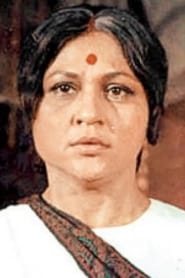
Nirupa Roy
Actor
Born: January 4, 1931 in Valsad, Gujarat, India Died: October 13, 2004 Active: 1946-1999 Birth Name: Bhanumati Vakil
Films
2 films
About Nirupa Roy
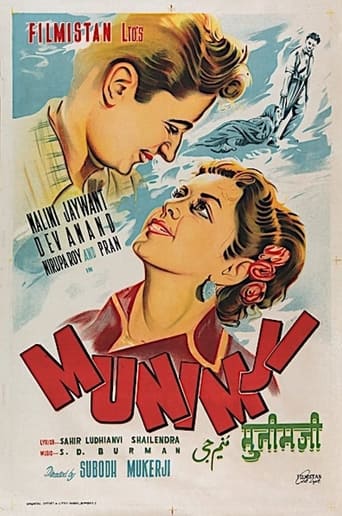
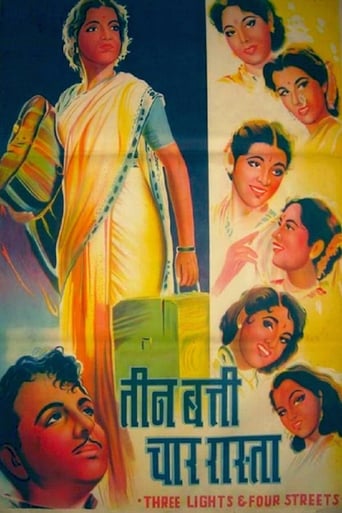
Nirupa Roy, born Bhanumati Vakil, was one of Indian cinema's most actresses, particularly renowned for her motherly roles that defined Bollywood's family dramas for decades. She began her career in the early 1940s as a leading lady in mythological films, starring in movies like 'Ranakdevi' (1943) which established her as a devotional film star. By the 1950s, she had successfully transitioned to mainstream cinema, appearing in films such as 'Teen Batti Char Raasta' (1953) and 'Munimji' (1955), showcasing her versatility beyond mythological roles. The 1960s marked a significant turning point when she began accepting mother roles, a decision that would ultimately define her legacy and earn her the title of 'Mother of Indian Cinema.' Her portrayal of the suffering yet resilient mother became a template in Bollywood, with her most memorable performances coming in the 1970s in films like 'Deewar' (1975) and 'Amar Akbar Anthony' (1977). Throughout her career spanning over four decades, she appeared in more than 250 films, working with every major star of her era and becoming an integral part of Indian popular culture. Her final years saw her receiving numerous honors and recognition for her contributions to Indian cinema, cementing her status as a figure who shaped the portrayal of motherhood in Indian films.
The Craft
On Screen
Nirupa Roy was known for her naturalistic and emotionally resonant performances, particularly in mother roles where she perfected the art of portraying suffering, sacrifice, and unconditional love. Her acting style was characterized by subtle expressions, particularly her ability to convey deep emotion through her eyes and facial gestures. She had a remarkable talent for making audiences connect with her maternal characters, often playing the long-suffering mother who endures hardships for her children. In her early career as a leading lady, she displayed grace and devotion in mythological roles, bringing authenticity to goddess-like characters. Her transition to mother roles showcased her versatility, where she balanced strength with vulnerability, creating memorable characters that became cultural touchstones in Indian cinema.
Milestones
- Debut in 'Ranakdevi' (1943) establishing her as a mythological film star
- Transition from leading lady to mother roles in the 1960s
- Filmfare Award for Best Supporting Actress for 'Do Jasoos' (1975)
- Iconic mother role in 'Deewar' (1975) opposite Amitabh Bachchan
- Memorable performance in 'Amar Akbar Anthony' (1977)
- Over 250 films in a career spanning four decades
- Received Padma Shri award in 2004
Best Known For
Iconic Roles
Must-See Films
Accolades
Won
- Filmfare Award for Best Supporting Actress for 'Do Jasoos' (1975)
- Filmfare Award for Best Supporting Actress for 'Aaina' (1977)
- Padma Shri (2004)
- Filmfare Lifetime Achievement Award (2004)
Nominated
- Filmfare Award for Best Supporting Actress for 'Roti Kapda Aur Makaan' (1974)
- Filmfare Award for Best Supporting Actress for 'Shakti' (1982)
- Filmfare Award for Best Supporting Actress for 'Coolie' (1983)
Special Recognition
- Padma Shri (India's fourth highest civilian award)
- Filmfare Lifetime Achievement Award
- Mother of Indian Cinema title
- Star on the Bollywood Walk of Fame (posthumous)
Working Relationships
Worked Often With
Studios
Why They Matter
Impact on Culture
Nirupa Roy fundamentally shaped the archetype of the mother in Indian cinema, creating a template that influenced generations of filmmakers and actors. Her portrayal of the Indian mother became a cultural phenomenon, representing traditional values, sacrifice, and maternal strength in post-independence India. The famous dialogue 'Mere paas maa hai' from 'Deewar' became an iconic cultural reference point, with her character symbolizing the moral center in family narratives. Her films often addressed social issues through the mother's perspective, contributing to discussions about family values, women's roles, and intergenerational relationships in Indian society. Beyond cinema, she became a household name and her image was used in various social campaigns promoting family values and women's empowerment. Her influence extended to television, where similar mother character archetypes were modeled after her performances.
Lasting Legacy
Nirupa Roy's legacy endures as the definitive mother figure in Bollywood history, with her performances setting the standard for maternal roles in Indian cinema. She appeared in over 250 films, making her. Her work continues to be referenced in contemporary films, television shows, and popular culture, with new generations discovering her performances through classic film screenings and streaming platforms. The Padma Shri award she received in 2004, months before her death, recognized her immense contribution to Indian arts and culture. Film historians and critics often cite her as an example of how typecasting, when embraced with excellence, can lead to iconic status. Her influence can be seen in how mother characters continue to be written and portrayed in Indian cinema, with many modern actresses acknowledging her as an inspiration.
Who They Inspired
Nirupa Roy influenced countless actors and filmmakers, particularly in how maternal characters were conceptualized and portrayed in Indian cinema. Her success paved the way for actresses to find dignity and importance in supporting roles, especially as mothers, challenging the notion that only leading roles mattered. Directors like Yash Chopra and Manmohan Desai created some of their most memorable films with her as the emotional anchor, demonstrating how a strong mother character could elevate a narrative. Younger actresses who later specialized in mother roles, such as Reema Lagoo and Sushma Seth, followed in her footsteps. Her collaboration with Amitabh Bachchan created one of cinema's most iconic mother-son relationships, influencing how such dynamics were portrayed in subsequent films. Acting coaches and film schools continue to use her performances as case studies for emotional acting and character development.
Off Screen
Nirupa Roy married Kamal Roy, a Bengali film director, in the early 1940s, and they had two sons, Yogesh and Kiran. Her husband Kamal Roy was instrumental in launching her film career, and she often credited him for her success in the industry. Despite her busy film career, she maintained a traditional family life and was known for her simplicity and devotion to her family. Her elder son Yogesh Roy also entered the film industry as a director, while her younger son Kiran Roy chose a different career path. In her later years, she faced health challenges but remained connected to the film industry through occasional appearances and interviews. She passed away in 2004 after a cardiac arrest, leaving behind a legacy that continues to influence Indian cinema.
Education
Completed basic education in Valsad, Gujarat; no formal training in acting, learned through experience in films
Family
- Kamal Roy (1940s-2004, until his death)
Did You Know?
- She was originally named Bhanumati Vakil before adopting 'Nirupa Roy' as her screen name
- She began her career as a leading lady in mythological films before transitioning to mother roles
- She appeared in over 250 films in her career spanning more than five decades
- The famous dialogue 'Mere paas maa hai' from 'Deewar' was delivered by Amitabh Bachchan's character referring to her
- She was the first actress to receive the Filmfare Lifetime Achievement Award posthumously
- She received the Padma Shri award just months before her death in 2004
- She worked with three generations of actors, from Dev Anand to Amitabh Bachchan to Shah Rukh Khan
- Her husband Kamal Roy — film director who discovered and mentored her
- She was known for never missing a shooting schedule despite her busy career
- She played mother to actors who were actually older than her in real life
- She was one of the highest-paid supporting actresses of her time
- Her performance in 'Deewar' is considered
In Their Own Words
"I never felt typecast. I enjoyed playing mother roles and gave them my best." (Interview about her career)
"A mother's role in films is as important as the hero's. She is the emotional backbone of the story." (About her acting philosophy)
"I am grateful that audiences accepted me as their mother. It's the biggest compliment an actor can receive." (On her popularity)
"Working with Amitabh Bachchan was special. We shared a wonderful screen chemistry that audiences loved." (About her frequent co-star)
"Cinema has given me everything - fame, respect, and love. I owe everything to this medium." (On her career)
"I never planned to become an actress. It was destiny that brought me to films." (On her entry into cinema)
Frequently Asked Questions
Who was Nirupa Roy?
Screen credits include over 250 films during her career spanning five decades. She was particularly famous for playing mother roles in Bollywood films and was often called the 'Mother of Indian Cinema' for her iconic portrayals of maternal characters.
What films is Nirupa Roy best known for?
Titles linked here include Deewar (1975), Amar Akbar Anthony (1977).
When was Nirupa Roy born and when did she die?
Born January 4, 1931; died October 13, 2004.
What awards did Nirupa Roy win?
Nirupa Roy won two Filmfare Awards for Best Supporting Actress for 'Do Jasoos' (1975) and 'Aaina' (1977). She also received the prestigious Padma Shri award in 2004 and the Filmfare Lifetime Achievement Award the same year.
What was Nirupa Roy's acting style?
Nirupa Roy was known for her naturalistic and emotionally resonant performances, particularly excelling at conveying deep emotion through subtle expressions. Her acting style emphasized the suffering yet resilient mother archetype, making her characters relatable and memorable to Indian audiences.
How did Nirupa Roy transition from leading lady to mother roles?
Nirupa Roy began her career in the 1940s as a leading lady, especially in mythological films. By the 1960s, as she aged, she gracefully transitioned to mother roles, which ultimately became her signature and led to her most iconic performances in the 1970s and 1980s.
What is Nirupa Roy's legacy in Indian cinema?
Nirupa Roy's legacy lies in defining the archetype of the mother in Indian cinema. Her performances created a template for maternal characters that influenced generations of filmmakers and actors, and she remains.