
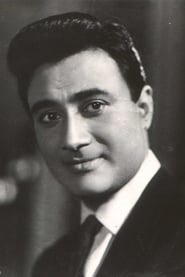
Dev Anand
Actor
Born: September 26, 1923 in Shakargarh, Punjab, British India (now Pakistan) Died: December 3, 2011 Active: 1946-2011 Birth Name: Dharam Dev Anand
Films
9 films
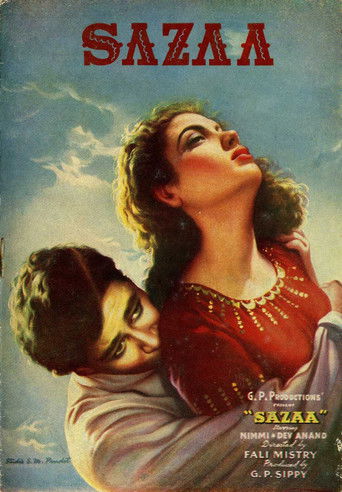
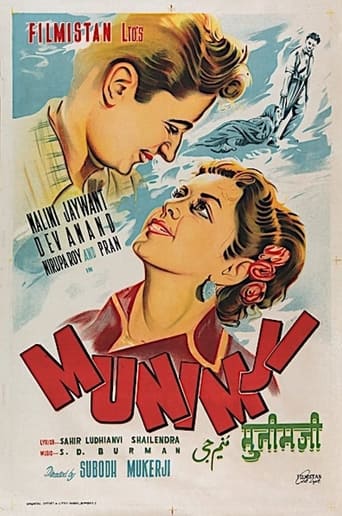
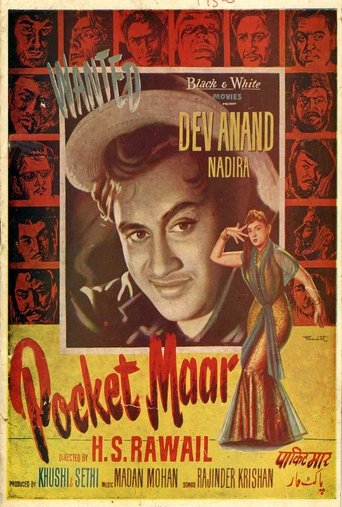

About Dev Anand
Dev Anand, born Dharam Dev Anand, was one of Indian cinema's most charismatic and influential superstars who dominated Hindi cinema from the 1940s through the 1970s. After graduating from Government College, Lahore, he moved to Bombay in the 1940s and began his film career with Hum Ek Hain (1946), though his breakthrough came with Ziddi (1948). He co-founded Navketan Films with his brother Chetan Anand in 1949, which became one of Indian cinema's most successful production houses. Known for his distinctive style, rapid dialogue delivery, and urbane charm, he starred in over 100 films, many of which became classics. His most celebrated works include Guide (1965), Jewel Thief (1967), and Hare Rama Hare Krishna (1971), showcasing his range as an actor. He also directed and produced numerous films, continuing to work well into his 80s, with his last film Chargesheet releasing in 2011, the year of his death. His six decades, making him one of Indian cinema's longest-serving superstars.
The Craft
On Screen
Dev Anand was known for his distinctive rapid-fire dialogue delivery, charismatic screen presence, and urbane sophistication. He pioneered a unique acting style that combined Western mannerisms with Indian sensibilities, often playing the romantic hero with a touch of rebellion. His signature tilted head, hand gestures, and effortless charm became his trademarks, influencing generations of actors. He excelled in both serious dramatic roles and light-hearted romantic comedies, bringing a naturalistic approach that was ahead of its time in Indian cinema.
Milestones
- Breakthrough performance in Ziddi (1948)
- Founded Navketan Films with brother Chetan Anand (1949)
- Starred in classic films like Baazi (1951), CID (1956), and Guide (1965)
- Won Filmfare Best Actor Award for Kala Pani (1958)
- Received Padma Bhushan award (2001)
- Honored with Dadasaheb Phalke Award (2002)
- Directed 19 films including Hare Rama Hare Krishna (1971)
- Completed 60 years in cinema in 2006
Best Known For
Iconic Roles
Must-See Films
Accolades
Won
- Filmfare Award for Best Actor for Kala Pani (1958)
- Filmfare Award for Best Actor for Guide (1965)
- Filmfare Award for Best Film for Guide (1965)
- Padma Bhushan (2001)
- Dadasaheb Phalke Award (2002)
- National Film Award for Best Feature Film for Guide (1965)
Nominated
- Filmfare Best Actor nomination for Taxi Driver (1954)
- Filmfare Best Actor nomination for Kala Bazar (1960)
- Filmfare Best Actor nomination for Tere Ghar Ke Samne (1963)
- Filmfare Best Actor nomination for Jewel Thief (1967)
- Filmfare Best Actor nomination for Johny Mera Naam (1970)
Special Recognition
- Padma Bhushan (India's third-highest civilian award)
- Dadasaheb Phalke Award (India's highest award in cinema)
- Honorific title 'Evergreen Hero'
- Star on Bollywood Walk of Fame
- Lifetime Achievement Award from Filmfare
- Honorary Doctorate from University of Bradford
Working Relationships
Worked Often With
Studios
Why They Matter
Impact on Culture
Dev Anand revolutionized Indian cinema by bringing a contemporary, urban sensibility that resonated with post-independence India. His sophisticated style, inspired by Hollywood icons like Gregory Peck, created a new archetype of the modern Indian hero. He was instrumental in shaping the 'golden era' of Hindi cinema, with his films often addressing social issues while maintaining entertainment value. His collaboration with music directors S.D. And R.D. Burman created some of Indian cinema's most enduring songs. Dev Anand's influence extended beyond cinema to fashion, with his signature style setting trends for generations. He represented the aspirational, modern Indian, bridging traditional values with contemporary outlook.
Lasting Legacy
Dev Anand's legacy is that of an eternal romantic hero who remained relevant across six decades of Indian cinema. He established Navketan Films as. His films continue to be celebrated for their timeless appeal, with Guide often cited as one of Indian cinema's greatest achievements. He mentored numerous talents who became stars in their own right. The 'Dev Anand style' continues to influence contemporary actors, and his films remain cultural touchstones. His autobiography 'Romancing with Life' provides insights into the evolution of Indian cinema. Even decades after his peak, he remains a beloved figure, remembered as the 'Evergreen Hero' who never aged in the hearts of his fans.
Who They Inspired
Dev Anand influenced generations of Indian actors with his unique style and approach to stardom. His rapid dialogue delivery and urbane sophistication became benchmarks for leading men in Hindi cinema. Actors from Amitabh Bachchan to Shah Rukh Khan have cited his influence. His success as an actor-producer inspired many to take creative control of their careers. His ability to reinvent himself across decades showed actors how to maintain relevance. His discovery and promotion of new talent, particularly actresses like Zeenat Aman, changed how women were portrayed in Indian cinema. His international appeal helped Indian cinema gain global recognition.
Off Screen
Dev Anand led a relatively private personal life despite his massive stardom. He married actress Kalpana Kartik (real name Mona Singha) in 1954 after working together in several films. They had two children, Suneil Anand and Devina Anand. Suneil followed in his father's footsteps and became an actor. Dev Anand was known for his disciplined lifestyle, never smoking or drinking alcohol. He maintained his youthful appearance and energy well into his 80s, continuing to work actively in films. He was a close friend of many contemporary stars including Dilip Kumar and Raj Kapoor, forming the legendary trio of Indian cinema.
Education
Graduated from Government College, Lahore (now in Pakistan) with a degree in English Literature
Family
- Kalpana Kartik (1954-2011)
Did You Know?
- He was often called the 'Gregory Peck of India' due to his resemblance to the Hollywood star
- He worked continuously for 65 years in films, from 1946 to 2011
- He founded Navketan Films with just Rs. 15,000 in 1949
- His film Guide was India's official entry to the Oscars
- He never smoked or drank alcohol throughout his life
- He was offered a role in Hollywood but declined to focus on Indian cinema
- He wrote his autobiography 'Romancing with Life' at age 84
- He was the first Indian actor to produce films in color
- His trademark tilted head pose was accidental but became his signature
- He discovered a young Zeenat Aman in a crowd and launched her in Hare Rama Hare Krishna
- He was known for his punctuality and professionalism on sets
- He continued to work until his death, with his last film releasing posthumously
In Their Own Words
Life should be lived with a smile on your face and no regrets, because every minute is precious.
I'm an incurable optimist. I always look at the brighter side of life.
Cinema is my religion and the theater is my temple.
Age is just a number. It's your attitude that matters.
I believe in living life to the fullest. There's no time for regrets.
Success is not permanent and failure is not fatal.
I've always been a dreamer, and cinema has allowed me to live those dreams.
Frequently Asked Questions
Who was Dev Anand?
Dev Anand was one of Indian cinema's greatest superstars, an actor, director, and producer who dominated Hindi cinema from the 1940s through the 1970s. He was known as the 'Evergreen Hero' for his timeless appeal and charismatic screen presence, starring in over 100 films during his 65-year career.
What films is Dev Anand best known for?
Titles linked here include Guide (1965), Jewel Thief (1967).
When was Dev Anand born and when did he die?
Born September 26, 1923; died December 3, 2011.
What awards did Dev Anand win?
Dev Anand won numerous prestigious awards including two Filmfare Awards for Best Actor, the Padma Bhushan (India's third-highest civilian award), and the Dadasaheb Phalke Award (India's highest award in cinema). His film Guide also won the National Film Award for Best Feature Film.
What was Dev Anand's acting style?
Dev Anand was known for his distinctive rapid-fire dialogue delivery, charismatic screen presence, and urbane sophistication. He combined Western mannerisms with Indian sensibilities, creating a unique style that influenced generations of actors. His signature tilted head, hand gestures, and effortless charm became his trademarks.
Did Dev Anand direct films?
Yes, Dev Anand directed 19 films, beginning with Prem Pujari in 1970. His most successful directorial venture was Hare Rama Hare Krishna (1971), which launched Zeenat Aman's career and addressed the hippie culture phenomenon. He continued directing films well into his 80s.
What was Dev Anand's contribution to Indian cinema?
Dev Anand revolutionized Indian cinema by bringing contemporary urban sensibility, establishing successful production house Navketan Films, creating timeless musical collaborations, and launching new talents. He represented the modern, aspirational Indian and maintained relevance across six decades, earning him the title 'Evergreen Hero'.