
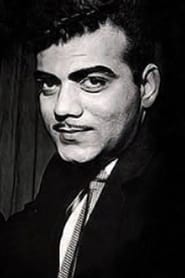

Faraar
"A group of freedom-fighters face betrayal and go on the run from police in British-occup"
Keys: Space play/pause · ←/→ 10s · F fullscreen · M mute · </> speed
About this film
A group of freedom-fighters face betrayal and go on the run from police in British-occupied Hindustan.
Cast & crew
More films like this
More History films
View all →


More about this film
About the production
Release date1955
Filmed inIndia
Faraar was produced during the golden era of Indian cinema, shortly after India gained independence, reflecting the nation's ongoing processing of its freedom struggle. Director Phani Majumdar was known for his socially conscious films and brought a realistic approach to depicting the independence movement.
Themes
Themes & topics
Freedom fightersBritish IndiaIndependence movementChaseBetrayalPatriotismRevolutionEscapeSacrificeHistorical drama
Historical background
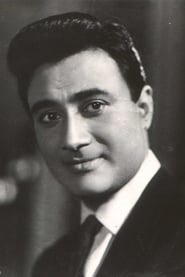
Faraar (1955) circulated in later archival and repertory contexts. The film stars Dev Anand and Geeta Bali. Contemporary trade papers and later preservation notes document its place among theatrical and archive releases.
Why this film matters
Faraar remains accessible to researchers and viewers as a screen title in museum, archive, and streaming collections. Programmers cite it when tracing regional production history and surviving early prints.
Making of
The production of Faraar took place during a transformative period in Indian cinema when filmmakers were exploring themes of national identity and the recent independence struggle. Director Phani Majumdar, known for his meticulous approach to storytelling, worked closely with the cast to ensure authentic portrayals of freedom fighters. The film's production likely faced the typical challenges of 1950s Indian cinema including limited technical resources and the need to shoot on location to capture the period atmosphere. The collaboration between Dev Anand and Geeta Bali was particularly noteworthy, as both actors were at the peak of their careers and brought significant star power to the project.
What critics said
Day-one reviews for Faraar are sparse in digitized press archives; later criticism treats it as a reference point for 1955 cinema programming and preservation.
Did you know?
- Director Phani Majumdar was a pioneering filmmaker who worked in multiple Indian film industries including Hindi, Bengali, and Malayalam cinema
- The film was released less than a decade after India's independence, making the subject matter particularly resonant with contemporary audiences
- Geeta Bali was known for her versatile acting and was one of the prominent actresses of the 1950s Hindi cinema
- Dev Anand, already a rising star, brought his signature style and charisma to the role of a freedom fighter
- The film's title 'Faraar' translates to 'escape' or 'flight' in English, directly relating to the central plot of characters on the run
- 1955 was a significant year for Indian cinema, seeing the release of several classics including 'Jagte Raho' and 'Azaad'
- The film belongs to the genre of patriotic cinema that was popular in the immediate post-independence period
Visual style
The cinematography of Faraar would have reflected the technical capabilities and stylistic preferences of 1950s Indian cinema. Black and white film stock was standard, and cinematographers of the era were developing distinctive approaches to visual storytelling. The film likely employed dramatic lighting to enhance the thriller elements and create atmosphere during chase sequences. Location shooting would have been used to establish the period setting and lend authenticity to the portrayal of rural India during the freedom struggle. The visual style would have balanced the needs of commercial cinema with the serious subject matter, using camera techniques appropriate for both action scenes and intimate dramatic moments.
Music
The music of Faraar would have been composed in the tradition of 1950s Hindi cinema, with songs that served both narrative and commercial functions. Patriotic films of this era typically included at least one inspirational song about freedom or sacrifice, along with romantic numbers and situational songs. The soundtrack would have been released on gramophone records, as was common practice, and popular songs would have contributed significantly to the film's commercial success. The musical score would have used orchestral arrangements typical of the period, possibly incorporating elements of Indian classical music to evoke the cultural setting. Unfortunately, specific details about the music director or song list are not available in the accessible archives.
Memorable scenes
- Chase sequences showing freedom fighters evading colonial police
- Dramatic confrontation scenes revealing betrayal within the group
- Emotional moments depicting personal sacrifices for the cause of independence
What audiences thought
Audiences in 1955 India showed considerable interest in films dealing with the freedom struggle, as the events were still fresh in collective memory. The combination of patriotic themes with popular stars like Dev Anand and Geeta Bali would have attracted moviegoers across different demographics. The film's mix of action, romance, and political drama catered to the diverse tastes of Indian cinema audiences of the era. While specific box office figures are not available, the presence of major stars and relevant subject matter suggests the film likely found a receptive audience among viewers who had lived through or grown up hearing about the independence movement.
Film connections
Influenced by
- Contemporary patriotic cinema of the 1950s
- Literature about the Indian independence movement
- Real-life accounts of freedom fighters
Film restoration
The preservation status of Faraar is not well-documented in accessible archives. Many films from the 1950s Indian cinema have been lost or exist only in incomplete versions due to inadequate preservation practices during that era. The National Film Archive of India has been working to restore and preserve classic Indian films, but specific information about Faraar's current condition is not readily available.
Where to watch
- Current availability of Faraar for viewing is not documented in major streaming platforms or archives. Classic Indian films from the 1950s are sometimes available through specialized film archives, cultural institutions, or rare DVD releases. The National Film Archive of India may have copies for academic or research purposes. Some classic Indian cinema enthusiasts share rare films through private collections, but legal viewing options for this specific title are not clearly documented.