Films
3 films
About Mehmood
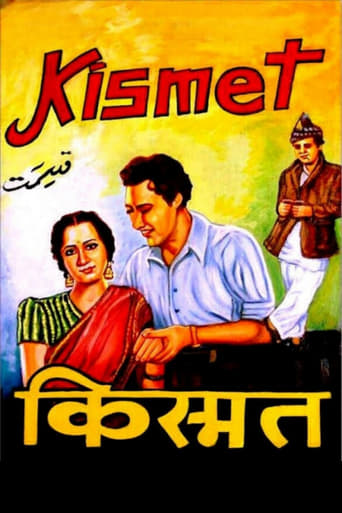
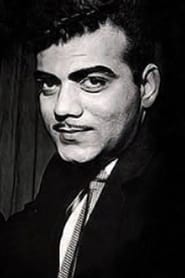
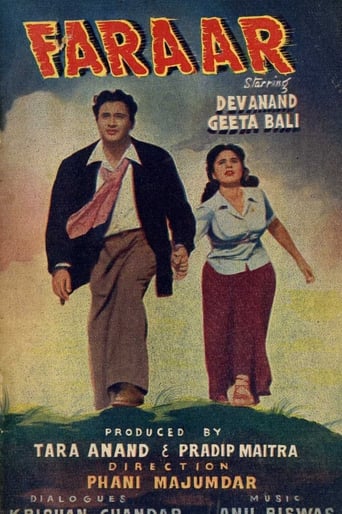
Indian actor who worked during the early Golden Age of Indian cinema, primarily in the 1940s and 1950s. He began his career with a role in the landmark film Kismet (1943), which became one of the biggest hits of its era and set new box office records in Indian cinema. His performance in Kismet, though in a supporting capacity, helped establish his presence in the film industry during a transformative period for Indian filmmaking. Throughout his relatively brief career, Mehmood appeared in several films that showcased the evolving narrative styles and production values of post-independence Indian cinema. His work in Faraar (1955) marked one of his later notable appearances before his career in films diminished. Despite not achieving leading man status, Mehmood contributed to the fabric of classic Indian cinema during its formative years, working alongside some of the era's biggest stars. His a crucial decade in Indian film history, witnessing the transition from early talkies to more sophisticated cinematic productions.
The Craft
On Screen
Based on the era and typical supporting roles, Mehmood likely employed the theatrical acting style common in early Indian cinema, which emphasized dramatic expressions and clear enunciation suitable for the sound technology of the period. His performances would have been influenced by the Parsi theater tradition that heavily shaped early Indian film acting.
Best Known For
Iconic Roles
Must-See Films
Working Relationships
Worked Often With
Studios
Why They Matter
Impact on Culture
Mehmood's contribution to Indian cinema, while not widely documented, represents the collective effort of countless supporting actors who helped build the foundation of the Indian film industry. His participation in Kismet (1943) placed him within. The film itself was a cultural phenomenon that ran for over three years in theaters and introduced themes that would become staples of Indian popular cinema.
Lasting Legacy
Mehmood's legacy is preserved through his appearances in classic films that continue to be studied and appreciated by film historians and cinema enthusiasts. His work in Kismet ensures his place in the history of one of Indian cinema's most influential early productions. While not a major star, his career exemplifies the journey of many actors who contributed to the Golden Age Indian cinema.
Who They Inspired
As a supporting actor during the formative years of Indian cinema, Mehmood would have been part of the generation that helped establish acting conventions and storytelling techniques that would influence subsequent generations of Indian filmmakers and performers.
Off Screen
Very limited information is available about Mehmood's personal life, which was common for many supporting actors of his era who did not achieve major stardom. His career appears to have been concentrated primarily in the Bombay film industry during the 1940s and 1950s.
Did You Know?
- Appeared in Kismet (1943), which was one of the earliest Indian films to run for over 200 weeks in theaters
- Kismet (1943) featured the popular song 'Aajkal Tere Mere Pyar Ke Charche Hain' which became a cultural phenomenon
- The film Kismet was directed by Gyan Mukherjee, one of the prominent directors of early Indian cinema
- Mehmood's active years covered the crucial decade of the 1940s which saw Indian cinema transition to more sophisticated productions
- He worked during the same era as legendary actors like Ashok Kumar, Dev Anand, and Dilip Kumar
- The 1950s marked the beginning of color cinema in India, though Mehmood's known films were in black and white
- Supporting actors like Mehmood were essential to the studio system that dominated Indian cinema during this period
Frequently Asked Questions
Who was Mehmood?
Indian with credits in this catalog. He was a supporting actor during the Golden Age of Indian cinema.
When was Mehmood active in cinema?
Mehmood was active in Indian cinema from 1943 to 1955, working during a crucial decade that saw significant developments in Indian filmmaking, including the transition from early talkies to more sophisticated productions.
What was significant about Kismet (1943)?
Kismet (1943) was a landmark film in Indian cinema that ran for over three years in theaters, setting box office records. It featured elements for its time and became a cultural phenomenon in post-independence India.
What was Mehmood's role in Indian cinema history?
Mehmood represents the generation of supporting actors who helped build the foundation of Indian cinema during its formative years. His participation in classic films contributes to the rich history of Golden Age Indian cinema, even though detailed records of his career are limited.