Films
2 films
About Randhir
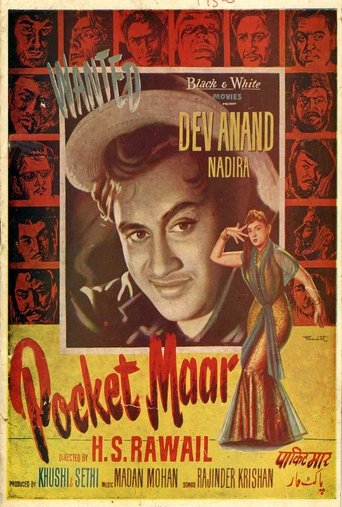
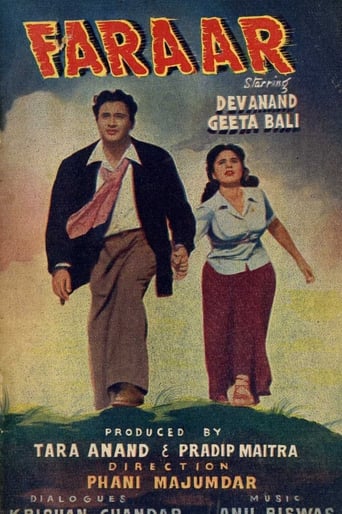
Indian actor who worked in Hindi cinema during the mid-1950s, appearing primarily in supporting and character roles. His brief but notable from 1955 to 1956, during which he worked in the burgeoning Indian film industry that was transitioning into its golden age. Randhir appears in at least two significant films of that era, 'Faraar' (1955) and 'Pocket Maar' (1956), which were typical of the crime and drama genres popular in mid-1950s Bollywood. While his filmography was limited, Randhir contributed to the cinematic landscape of post-independence India when Hindi cinema was establishing its distinctive identity. Like many character actors of his generation, he played crucial supporting roles that helped advance the narratives of the films he appeared in, even though his name may not have appeared in prominent billing. His career, though brief, represents the typical trajectory of many supporting actors in classic Indian cinema who contributed significantly to films without achieving mainstream stardom.
The Craft
On Screen
Based on the era and typical character actors of 1950s Hindi cinema, Randhir likely employed the theatrical style common in Indian films of that period, which emphasized expressive gestures and clear diction to communicate emotions and story points to diverse audiences.
Milestones
- Appeared in Faraar (1955)
- Appeared in Pocket Maar (1956)
- Worked during the golden era of Hindi cinema
Best Known For
Iconic Roles
Must-See Films
Working Relationships
Worked Often With
Studios
Why They Matter
Impact on Culture
As a character actor in 1950s Hindi cinema, Randhir contributed to the Indian storytelling during a pivotal period when the film industry was establishing its post-independence identity. His work in films like 'Faraar' and 'Pocket Maar' reflects the crime and social drama genres that were gaining popularity and addressing contemporary social issues. While not a leading star, actors like Randhir were essential to the ecosystem of Hindi cinema, providing the supporting framework that allowed lead actors to shine and narratives to develop fully.
Lasting Legacy
Randhir's legacy lies in his contribution to the golden age of Hindi cinema during the mid-1950s, a period that produced many classic films and established conventions that would influence Indian cinema for decades. Like many character actors of his era, his work represents the collaborative nature of filmmaking and the importance of supporting performances in creating memorable cinema.
Who They Inspired
While specific information about Randhir's influence on other actors is limited, his participation in 1950s Hindi cinema places him among the generation of performers who helped establish the acting styles and narrative conventions that would define Bollywood in subsequent decades.
Off Screen
Limited information is available about Randhir's personal life, which was common for supporting actors in 1950s Indian cinema who often worked behind the scenes without extensive public documentation.
Did You Know?
- Appeared in Hindi cinema during the mid-1950s
- Had a brief but focused career spanning 1955-1956
- Worked during the early golden age of Indian cinema
- Appeared in 'Faraar' (1955), which was part of the crime genre popular in 1950s Bollywood
- Starred in 'Pocket Maar' (1956), another crime drama of the era
- Represents the generation of character actors who were essential to Hindi cinema's development
- His career coincided with the post-independence boom in Indian film production
Frequently Asked Questions
Who was Randhir?
Indian with credits in this catalog. His career was brief but occurred during an important period in Indian film history.
What films is Randhir best known for?
Titles linked here include Faraar (1955), Pocket Maar (1956).
When was Randhir active in films?
Randhir was active in Indian cinema from 1955 to 1956, working during the early golden age of Hindi filmmaking.
What was Randhir's role in Indian cinema?
Randhir worked as a character and supporting actor in Hindi cinema, contributing to the narrative structure of films during a formative period in Indian film history.
What genre of films did Randhir appear in?
Based on his known filmography, Randhir appeared in crime and drama films, which were popular genres in 1950s Hindi cinema and often addressed contemporary social issues.