
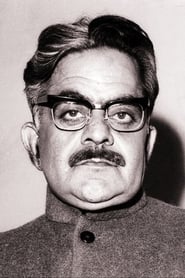
Manmohan Krishna
Actor
Born: February 26, 1921 in Lahore, British India (now Pakistan) Died: November 3, 1990 Active: 1940s-1980s
Films
5 films
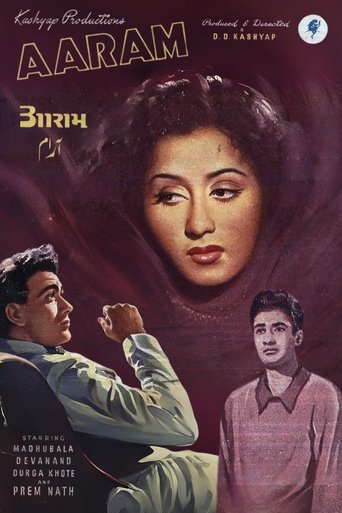

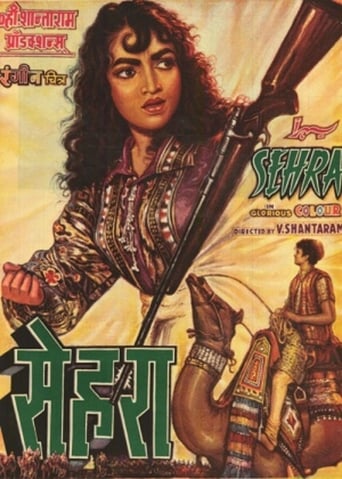
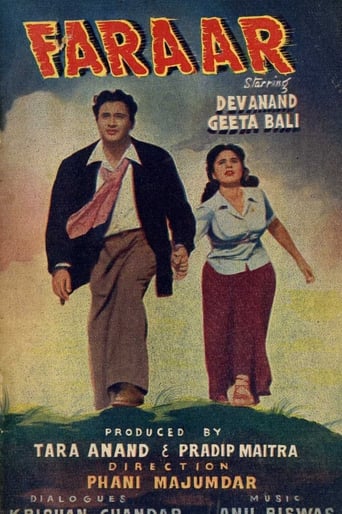
About Manmohan Krishna
Indian character actor: over four decades in Hindi cinema, beginning in the early 1940s and continuing through the 1980s. Born in Lahore in 1921, he moved to Bombay after the partition of India and established himself as reliable supporting actors in the industry. He made his mark with naturalistic performances that brought depth and authenticity to every role, whether playing a concerned father, a stern police officer, or a compassionate friend. His breakthrough came with films like 'Naya Daur' (1957) and 'Dhool Ka Phool' (1959), where his nuanced portrayals of complex characters earned him critical acclaim. Throughout his career, he appeared in over 250 films, working with directors like B.R. Chopra, Yash Chopra, and Hrishikesh Mukherjee. Beyond acting, he also ventured into film production and direction, showcasing his multifaceted talent in Indian cinema. His ability to seamlessly transition between serious drama and light comedy made him a favorite among filmmakers and audiences alike.
The Craft
On Screen
Manmohan Krishna was known for his naturalistic and understated acting style, bringing authenticity and depth to every character he portrayed. He had a remarkable ability to convey complex emotions through subtle expressions and body language, making his supporting roles memorable and impactful. His performances were marked by a dignified presence and emotional range that allowed him to excel in both dramatic and comic situations. He specialized in playing father figures, authority figures, and moral guides, always bringing nuance and humanity to these archetypes.
Milestones
- Breakthrough role in 'Naya Daur' (1957)
- Memorable performance in 'Dhool Ka Phool' (1959)
- Critical acclaim for 'Waqt' (1965)
- Award-winning role in 'Kora Kagaz' (1974)
- Iconic supporting roles in 'Deewar' (1975) and 'Sholay' (1975)
- Directed and produced 'Bees Saal Baad' (1962)
- Over 250 film appearances across four decades
Best Known For
Iconic Roles
Must-See Films
Accolades
Won
- Filmfare Best Supporting Actor Award for 'Dhool Ka Phool' (1959)
- Filmfare Best Supporting Actor Award for 'Kora Kagaz' (1974)
- Bengal Film Journalists' Association Awards
Nominated
- Multiple Filmfare nominations for Best Supporting Actor throughout the 1960s and 1970s
Special Recognition
- Recognized as one of Indian cinema's most reliable character actors
- Posthumous tributes from film industry for contributions to Indian cinema
Working Relationships
Worked Often With
Studios
Why They Matter
Impact on Culture
Manmohan Krishna significantly shaped the archetype of the supporting character in Indian cinema, bringing dignity and depth to roles that could have been one-dimensional. His naturalistic acting style influenced generations of character actors who followed, proving that supporting roles could be as impactful as leads. He helped establish the importance of ensemble casting in Indian films, where every character contributes meaningfully to the narrative. His portrayals of fathers, authority figures, and moral guides reflected the changing social dynamics of post-independence India.
Lasting Legacy
Manmohan Krishna's legacy endures through his vast body of work that continues to be celebrated in Indian cinema retrospectives and film studies. He is remembered as. His performances in classics like 'Naya Daur,' 'Waqt,' and 'Deewar' are studied by acting students for their subtlety and authenticity. The awards he won, including two Filmfare Awards for Best Supporting Actor, testify to the critical recognition he received during his lifetime.
Who They Inspired
Manmohan Krishna influenced subsequent generations of character actors in Indian cinema by demonstrating that supporting roles could be complex and memorable. His naturalistic approach to acting, moving away from theatrical traditions, helped pave the way for more realistic performances in Bollywood. Many contemporary character actors cite his work as inspiration for bringing authenticity to supporting roles. His ability to play diverse characters with conviction showed that character actors could have as much range and impact as lead actors.
Off Screen
Manmohan Krishna was married and had children who later entered the film industry. His family was deeply connected to cinema, with his son becoming a filmmaker. He maintained a low profile off-screen, focusing on his craft rather than celebrity status. Despite his extensive filmography, he remained humble and dedicated to his art throughout his life. His personal life was marked by simplicity and dedication to his family and work.
Education
Educated in Lahore before moving to Bombay after partition
Family
- Sarla Krishna (married until his death in 1990)
Did You Know?
- Appeared in over 250 films during his career
- Won Filmfare Award for Best Supporting Actor twice - 12 years apart
- Was a trained classical singer before entering films
- Moved from Lahore to Bombay after the partition of India in 1947
- Often played father figures to actors who were actually close to his age
- His son Vijay Krishna became a successful film director
- Was known for his punctuality and professionalism on film sets
- Worked with three generations of Bollywood actors, from Dilip Kumar to Amitabh Bachchan
- Despite being a character actor, he had a huge fan following
- Was one of the few actors who successfully transitioned from the black-and-white to color era of Indian cinema
In Their Own Words
Acting is not about becoming someone else, but about finding yourself in different characters
A supporting actor's job is to make the lead look good while shining in their own light
In cinema, there are no small roles, only small actors
Frequently Asked Questions
Who was Manmohan Krishna?
Screen credits include over 250 Hindi films from the 1940s through the 1980s. He was particularly known for his naturalistic acting style and memorable supporting roles as fathers, police officers, and authority figures in classic Indian cinema.
What films is Manmohan Krishna best known for?
Titles linked here include Naya Daur (1957), Dhool Ka Phool (1959).
When was Manmohan Krishna born and when did he die?
Born February 26, 1921; died November 3, 1990.
What awards did Manmohan Krishna win?
Manmohan Krishna won two Filmfare Awards for Best Supporting Actor - one for 'Dhool Ka Phool' (1959) and another for 'Kora Kagaz' (1974). He also received several nominations and recognition from various film associations throughout his career.
What was Manmohan Krishna's acting style?
Manmohan Krishna was known for his naturalistic and understated acting style, bringing authenticity and depth to every character. He specialized in conveying complex emotions through subtle expressions and body language, making his supporting roles memorable and impactful with remarkable emotional range.
How many films did Manmohan Krishna appear in?
Manmohan Krishna appeared in over 250 films during his career spanning four decades, making him.
Did Manmohan Krishna work with famous directors?
Yes, Manmohan Krishna worked with legendary directors including B.R. Chopra, Yash Chopra, Hrishikesh Mukherjee, and many others. He had particularly close collaborations with the Chopra brothers, appearing in many of their most successful films.
What was Manmohan Krishna's contribution to Indian cinema?
Manmohan Krishna elevated the status of character actors in Indian cinema by bringing dignity, depth, and authenticity to supporting roles. He helped establish the importance of ensemble casting and influenced generations of character actors with his naturalistic style and versatile performances.