

Aaram
"Shyam is a struggling artist"
Keys: Space play/pause · ←/→ 10s · F fullscreen · M mute · </> speed
About this film
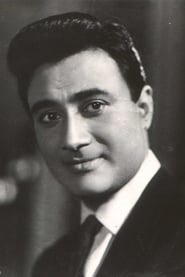
Shyam ( Dev Anand ) is a struggling artist. While returning home one night, he encounters a young woman, Leela ( Madhubala ), who, for unexplained reasons, is roaming the streets. A storm breaks out and Shyam lets Leela spend the night at his place.
Cast & crew
More films like this
More Drama films
View all →







More from D.D. Kashyap
View all →
More about this film
About the production
Release date1951
BudgetNot publicly documented, as was common for Indian films of this era
Box officeBox office figures from 1951 are not reliably recorded, but the film performed moderately well
ProductionFilmistan
Filmed inBombay (now Mumbai) studios, Various locations in Maharashtra
The film was produced during the golden era of Filmistan studios, known for its technically superior productions. The collaboration between Dev Anand and Madhubala, two rising stars of the time, generated significant industry buzz. Director D.D. Kashyap was particularly meticulous about the visual aesthetics, ensuring the film reflected the contrasting worlds of wealth and poverty central to the story.
Themes
Class divideLove versus material wealthWomen's autonomyArtistic integritySocial mobility
Themes & topics
Love triangleArtist protagonistClass differencesRoyal familyDilemmaSacrificePovertyWealthSocial statusRomantic conflict
Historical background
Aaram (1951) emerged during postwar international cinema. Shyam ( Dev Anand ) is a struggling artist. Archival records and catalog entries help place the work within film-history surveys of the period.
Why this film matters
Preserved under Wikidata ID Q10961291, Aaram is valued as a screen drama within catalog and archive collections. Wikipedia's "Aaram (film)" entry connect it to broader histories of cinema exhibition and restoration.
Making of
The production of 'Aaram' took place during a transformative period in Indian cinema. Director D.D. Kashyap was known for his perfectionist approach and would often spend hours rehearsing emotional scenes with his actors. Dev Anand, who was still establishing his signature style, worked closely with Kashyap to develop his character's nuances. Madhubala, already a rising star, brought remarkable depth to her portrayal of Leela's internal conflict. The casting of Talat Mahmood in an acting role was considered experimental at the time, given his primary reputation as a singer. The film's production team faced challenges in creating authentic representations of both poverty and aristocracy on limited budgets, often using clever set design and cinematography to achieve the desired visual contrast.
What critics said
Trade and archival sources offer limited day-one review coverage for Aaram. Modern reception rests on its availability in collections, repertory screenings, and reference works that document 1951 cinema.
Did you know?
- Talat Mahmood, primarily known as one of India's greatest ghazal singers, made one of his rare acting appearances in this film
- This was one of the early collaborations between Dev Anand and Madhubala, who would later become icons of Indian cinema
- The film's title 'Aaram' means 'rest' or 'peace' in Hindi, ironically contrasting with the turmoil experienced by the protagonist
- Filmistan studios, where this film was produced, was known for its progressive approach to filmmaking and often tackled socially relevant themes
- The costumes for Madhubala were designed by one of Bombay's top designers of the era, reflecting both traditional and modern influences
- The film featured one of the first on-screen portrayals of the class divide in post-independence India
- Director D.D. Kashyap was known for his meticulous attention to detail, often requiring multiple takes for emotional scenes
- The film's release coincided with the early years of independent India, when cinema was becoming a medium for social commentary
Awards & recognition
- No major awards documented for this film
Visual style
The cinematography of 'Aaram' employed techniques characteristic of early 1950s Indian cinema while incorporating innovative approaches to visual storytelling. The film used contrasting lighting and composition to emphasize the divide between the worlds of poverty and wealth. Scenes featuring Shyam the artist were shot with softer, more natural lighting, while sequences in the Rani's palace employed more dramatic, high-contrast lighting to create a sense of opulence and distance. The cinematographer made effective use of shadows and reflections during key emotional moments, particularly in scenes depicting Leela's internal conflict. The film also featured carefully composed framing that emphasized the social hierarchy between characters, using camera angles to subtly reinforce the power dynamics central to the story.
Innovations
For its time, 'Aaram' demonstrated several technical achievements in Indian cinema. The film's production team at Filmistan studios employed advanced sound recording techniques for the era, ensuring clear dialogue and music reproduction. The set design effectively created believable representations of both impoverished artist quarters and aristocratic palaces within the constraints of studio filmmaking. The film's editing techniques, particularly in sequences depicting Leela's emotional turmoil, were considered innovative for their time, using dissolves and montage effects to convey internal conflict. The makeup and costume departments achieved notable success in creating distinct visual identities for characters from different social classes, contributing to the film's thematic clarity.
Music
The music of 'Aaram' was composed by the renowned Anil Biswas, with lyrics penned by Hasrat Jaipuri. The soundtrack featured a blend of classical and semi-classical numbers that reflected the emotional journey of the characters. Notably, Talat Mahmood, despite being one of the era's most celebrated singers, did not sing in the film but acted instead. The songs were rendered by prominent playback singers of the time including Lata Mangeshkar and Mohammed Rafi. The soundtrack included romantic ghazals, upbeat dance numbers, and melancholic compositions that enhanced the film's emotional narrative. While the songs did not achieve the same lasting reputation as some other film soundtracks of 1951, they were well-received and contributed effectively to the film's atmosphere and storytelling.
Famous quotes
Complete dialogue archives from 1951 films are not readily available, but the film featured poignant exchanges about love, class, and personal choice
Memorable scenes
- The emotional confrontation where Leela must choose between Shyam and the Rani's son
- The sequence where Shyam presents his artwork to Leela, symbolizing his pure love
- The palace scene where Leela experiences the stark contrast between wealth and her simple life
- The final decision scene where Leela faces the consequences of her choice
What audiences thought
Audiences in 1951 responded positively to the film's emotional core and relatable themes. The chemistry between Dev Anand and Madhubala was particularly appreciated by viewers, contributing to their growing popularity as a screen pair. The film's exploration of class differences resonated with post-independence Indian audiences, many of whom were navigating similar social changes. While not a blockbuster hit, 'Aaram' developed a loyal following and was remembered for its sensitive treatment of its subject matter. The film's songs, though not as widely remembered as some from other productions of the era, were well-received by audiences of the time.
Film connections
Influenced by
- Earlier Indian social dramas
- Literary traditions of romantic tragedy
- Bengali literary works on class differences
- Western romantic dramas of the 1940s
This film influenced
- Later Indian films exploring class differences in romance
- Films featuring artists as protagonists
- Social dramas focusing on women's choices
Film restoration
Like many films from the early 1950s Indian cinema, 'Aaram' exists in varying degrees of preservation. Some prints are maintained in the National Film Archive of India, though quality may vary. No major restoration efforts have been publicly announced for this film.
Where to watch
- The film is occasionally screened at classic film festivals and retrospectives
- Some copies may be available through specialized classic Indian film distributors
- Digital availability is limited due to age and preservation status
- Check with the National Film Archive of India for access to preserved copies