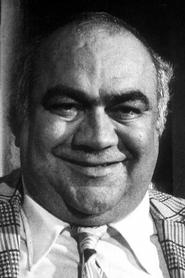
Premnath Malhotra
Actor
Born: November 21, 1926 in Karanpur, Punjab, British India (now in Pakistan) Died: November 3, 1992 Active: 1940s-1980s
Films
6 films
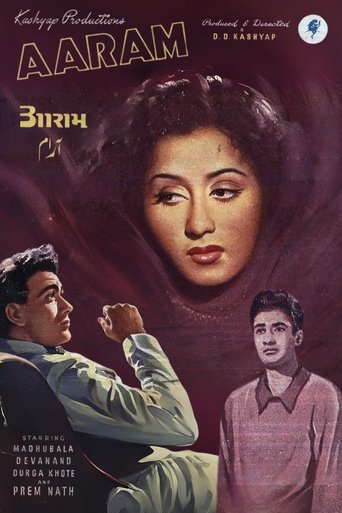
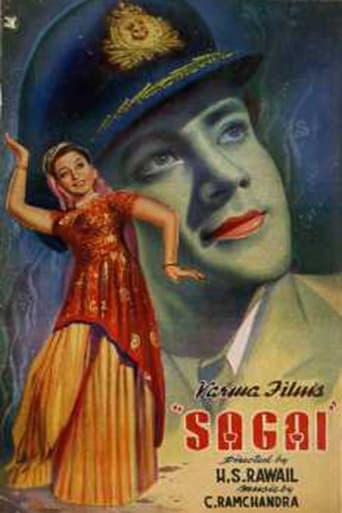
About Premnath Malhotra
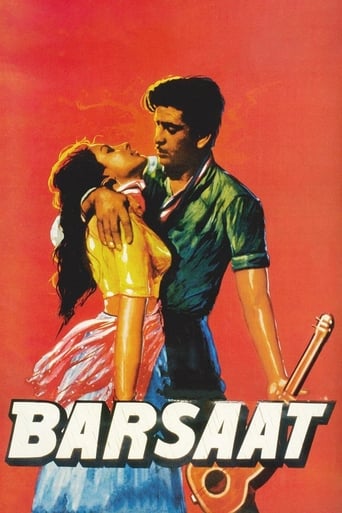
Indian actor who became one of Hindi cinema's most recognizable character actors and villains during the Golden Age of Bollywood. Born into a wealthy family in Karanpur, he initially aspired to become a pilot before being discovered by filmmaker Debaki Bose. His breakthrough came with Raj Kapoor's 'Barsaat' (1949), which established him as a formidable presence in Indian cinema. Throughout his career spanning four decades, Premnath specialized in portraying sophisticated villains, authoritative figures, and complex supporting characters, often sporting his trademark mustache and commanding screen presence. He was part of the influential Kapoor family through marriage to actress Bina Rai, and later his children also entered the film industry. His performances in films like 'Shirin Farhad' (1956), 'Junglee' (1961), and 'Johny Mera Naam' (1970) showcased his versatility and cemented his status as a reliable character actor. Despite often playing antagonists, Premnath brought depth and nuance to his roles, making his characters memorable and multi-dimensional.
The Craft
On Screen
Premnath was known for his commanding screen presence and distinctive baritone voice that added gravitas to his characters. He specialized in playing sophisticated, educated villains who were often wealthy and powerful, bringing a sense of refinement to his antagonistic roles. His acting style combined theatrical intensity with subtle nuances, allowing him to portray both menacing villains and sympathetic supporting characters with equal skill. He was particularly adept at delivering dialogue with precise diction and emotional weight, making his characters memorable even in limited screen time.
Milestones
- Breakthrough role in Raj Kapoor's 'Barsaat' (1949)
- Established as premier villain in 'Awaara' (1951)
- Memorable performance in 'Shirin Farhad' (1956)
- Critical acclaim in 'Junglee' (1961)
- villain role in 'Johny Mera Naam' (1970)
- Successful transition to character roles in 1970s and 1980s
Best Known For
Iconic Roles
Must-See Films
Accolades
Won
- Filmfare Award for Best Supporting Actor - 'Shirin Farhad' (1956)
Nominated
- Filmfare Award for Best Supporting Actor - 'Junglee' (1961)
- Filmfare Award for Best Supporting Actor - 'Johny Mera Naam' (1970)
Special Recognition
- Recognized as one of Hindi cinema's most villains
- Part of influential Kapoor family legacy in Indian cinema
Working Relationships
Worked Often With
Studios
Why They Matter
Impact on Culture
Premnath significantly shaped the archetype of the sophisticated villain in Hindi cinema, moving away from crude, one-dimensional antagonists to educated, cultured villains who posed intellectual and moral challenges to protagonists. His distinctive style set new standards for character actors in Bollywood, demonstrating that supporting roles could be as impactful as lead performances. He helped establish the 'gentleman villain' trope that became popular in Indian cinema, influencing generations of actors who followed in his footsteps. His performances contributed to the golden era of Hindi cinema, adding depth and complexity to narrative structures and character dynamics.
Lasting Legacy
Premnath's legacy endures through his extensive filmography and the impact he had on Hindi cinema's approach to character development. He proved that villains could be charismatic and complex, paving the way for more nuanced antagonists in Indian films. His family connections through the Kapoor dynasty ensured his influence continued through subsequent generations of filmmakers and actors. Many of his films are considered classics and are regularly featured in retrospectives of Indian cinema, while his acting style continues to be studied by aspiring actors. His contribution to establishing character acting as a respected and vital component of Hindi cinema remains significant.
Who They Inspired
Premnath influenced numerous character actors and villains who followed, including Amrish Puri, Amjad Khan, and Pran in their later career phases. His approach to villainy - combining sophistication with menace - became a template for future antagonists in Bollywood. He demonstrated that character actors could achieve stardom and recognition, inspiring many to pursue supporting roles rather than solely leading parts. His work ethic and professionalism set standards in the industry, while his ability to adapt to changing cinematic trends across decades showed remarkable versatility. His family's continued presence in cinema ensures his artistic philosophy and approach continue to influence new generations.
Off Screen
Premnath came from a wealthy family and was initially set to pursue a career as a pilot before entering films. He married actress Bina Rai in 1953, and they had two sons, Prem Krishen and Kailash Nath (Monty), both of whom entered the film industry. His sister Krishna married actor Raj Kapoor, making him part of the prestigious Kapoor family. Despite his on-screen villainous image, Premnath was known as a gentle and cultured person off-screen, well-read and fluent in multiple languages. He maintained strong family ties throughout his life and was respected for his professionalism and dedication to his craft.
Education
Educated at prestigious schools in Lahore; initially trained as a pilot
Family
- Bina Rai (1953-1992)
Did You Know?
- Was initially training to become a pilot before entering films
- His sister Krishna married Raj Kapoor, making him part of the Kapoor family
- Often played characters older than his actual age due to his mature appearance
- Was one of the few actors who successfully transitioned from lead roles to character roles
- His distinctive mustache became his trademark and was widely recognized by audiences
- Spoke multiple languages fluently including Hindi, Urdu, English, and Punjabi
- Despite playing villains, he was extremely popular with female audiences for his sophisticated looks
- His son Prem Krishen married actress Anita Raj, continuing the family's film legacy
- Was one of the highest-paid character actors of his time
- Maintained a reputation for always being on time and prepared for shoots
In Their Own Words
A villain is not born evil, circumstances make him so - this is what I try to show in my characters
In cinema, there are no small roles, only small actors
The audience remembers a good villain longer than an ordinary hero
Frequently Asked Questions
Who was Premnath Malhotra?
Prominent Indian with credits in this catalog. He specialized in playing sophisticated villains and character roles, becoming one of Bollywood's most recognizable antagonists during the Golden Age of Indian cinema.
When was Premnath born and when did he die?
Born November 21, 1926; died November 3, 1992.
What awards did Premnath win?
Premnath won the Filmfare Award for Best Supporting Actor for his performance in 'Shirin Farhad' (1956). He also received nominations for his work in 'Junglee' (1961) and 'Johny Mera Naam' (1970).
What was Premnath's acting style?
Premnath was known for his commanding screen presence, distinctive baritone voice, and sophisticated portrayal of villains. He brought refinement and depth to his antagonistic roles, creating memorable characters that were both menacing and charismatic.
How was Premnath related to the Kapoor family?
Premnath was related to the Kapoor family through marriage - his sister Krishna married actor Raj Kapoor. He himself married actress Bina Rai, further strengthening his connections to prominent film families.
What was Premnath's contribution to Indian cinema?
Premnath revolutionized the portrayal of villains in Hindi cinema by introducing sophisticated, educated antagonists. He demonstrated the importance of character actors and set new standards for supporting roles, influencing generations of actors who followed.