Films
2 films

About D.D. Kashyap
Indian film director who worked during the early era of Indian cinema's transition to sound films. He was active primarily in the 1940s and early 1950s, directing several notable films that contributed to the development of Hindi cinema. His directorial work spanned the crucial period when Indian cinema was establishing its unique identity and narrative techniques. Kashyap's films often explored themes of romance, family dynamics, and social issues relevant to contemporary Indian society. His directorial style reflected the evolving aesthetics of early Indian talkies, incorporating both traditional storytelling elements and emerging cinematic techniques. Though his career was relatively brief, spanning approximately seven years, his contributions to Indian cinema during this formative period remain significant. His work represents an important chapter in the history of Indian film direction during the Golden Age of Hindi cinema.
The Craft
Behind the Camera
D.D. Kashyap's directing style reflected the emerging aesthetics of early Indian talkies, blending traditional Indian storytelling with cinematic techniques. His approach emphasized emotional narratives and character-driven stories that resonated with contemporary Indian audiences. He worked within the conventions of the time while helping to establish the visual language of early Hindi cinema.
Best Known For
Must-See Films
Why They Matter
Impact on Culture
D.D. Kashyap contributed to the cultural landscape of Indian cinema during its formative years in the 1940s and early 1950s. His films were part of the broader movement that helped establish Hindi cinema as a significant cultural force in India. During this period, Indian cinema was developing its unique identity, moving away from theatrical influences toward more cinematic storytelling. Directors like Kashyap played a role in this transition, helping to create films that reflected Indian society, values, and aspirations while embracing the new possibilities of sound cinema.
Lasting Legacy
D.D. Kashyap's legacy lies in his contribution to the early development of Hindi cinema during its crucial transition period. Though not as widely remembered as some of his contemporaries, his work represents an important part of Indian film history. The films he directed during the 1940s and early 1950s serve as examples of the evolving narrative and visual styles that would come to define classic Indian cinema. His career, though relatively brief, coincided with a pivotal era when Indian cinema was establishing its foundations and developing its unique voice.
Who They Inspired
While specific documentation of D.D. Kashyap's influence on other filmmakers is limited, directors working during the 1940s and 1950s collectively influenced the development of Indian cinema's narrative techniques and visual style. His work, along with that of his contemporaries, helped establish conventions and approaches that would be built upon by subsequent generations of Indian filmmakers.
Off Screen
Limited information is available about D.D. Kashyap's personal life, which is common for many directors from this era of Indian cinema. Historical records from this period often focused more on the films themselves rather than detailed biographical information about filmmakers.
Did You Know?
- D.D. Kashyap was active during a crucial period of Indian cinema's transition from silent films to talkies
- His film 'Chand' was released in 1944, during World War II
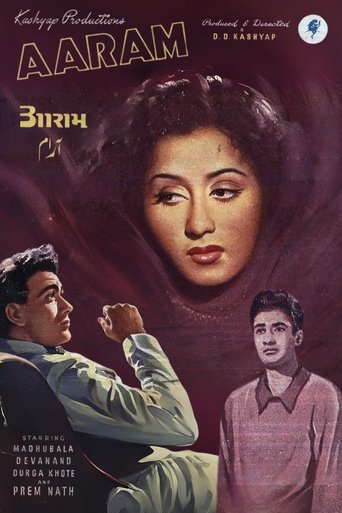
- His final known film 'Aaram' was released in 1951
- He worked during what is now considered the Golden Age of Hindi cinema
- His active years covered approximately 7 years of active filmmaking
- Like many directors of his era, detailed biographical information about him is scarce
- His films were part of the early development of Hindi commercial cinema
Frequently Asked Questions
Who was D.D. Kashyap?
Indian on YTB.my.
When was D.D. Kashyap born and when did he die?
Specific birth and death dates for D.D. Kashyap are not well-documented in historical records, which is common for many directors from this era of Indian cinema.
What awards did D.D. Kashyap win?
There are no documented awards or nominations for D.D. Kashyap in available historical records, though his contributions to early Indian cinema remain significant.
What was D.D. Kashyap's directing style?
D.D. Kashyap's directing style reflected the emerging aesthetics of early Indian talkies, blending traditional Indian storytelling with cinematic techniques while focusing on emotional narratives and character-driven stories.