
Madhubala
Actor
Born: February 14, 1933 in Delhi, British India (now India) Died: February 23, 1969 Active: 1942-1969 Birth Name: Mumtaz Jehan Begum Dehlavi
Films
6 films
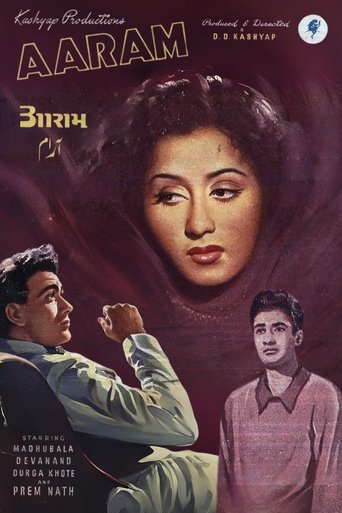
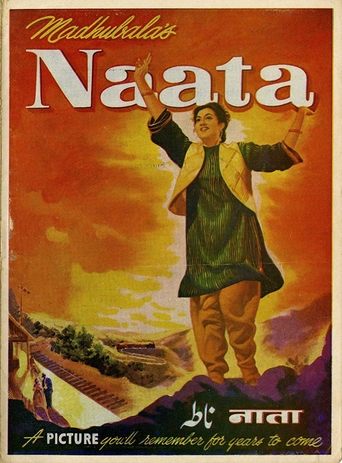
About Madhubala
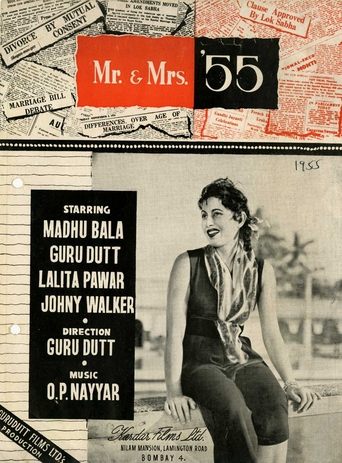
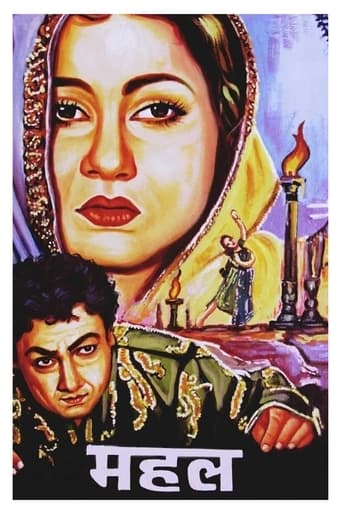
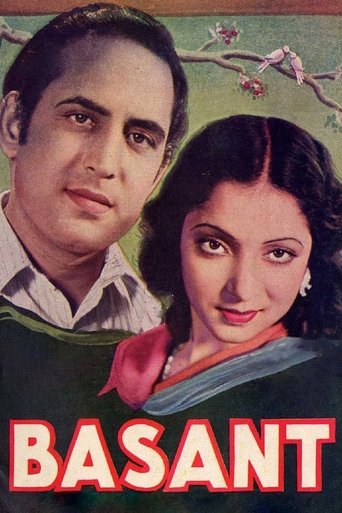
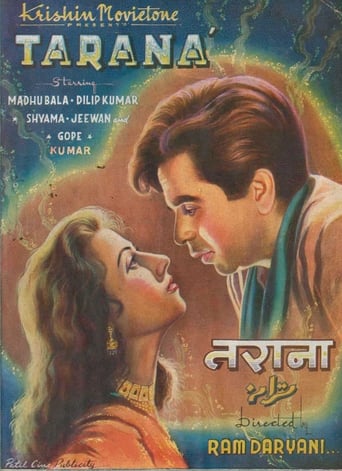
Madhubala, born Mumtaz Jehan Begum Dehlavi, was one of Indian cinema's most and beautiful actresses who rose to stardom during the Golden Age of Bollywood. She began her career as a child artist in the film Basant (1942) at the age of nine, supporting her family financially after her father's unemployment. Her breakthrough came with the supernatural romance Mahal (1949), which established her as a leading lady and showcased her ethereal beauty and screen presence. Throughout the 1950s, she delivered memorable performances in films like Tarana (1951), Mr. & Mrs. '55 (1955), and Chalti Ka Naam Gaadi (1958), displaying remarkable versatility in both dramatic and comic roles. Her most celebrated performance came as Anarkali in the epic historical romance Mughal-e-Azam (1960), which remains one of Indian cinema's greatest achievements. Despite being diagnosed with a congenital heart condition in the mid-1950s, she continued working with declining health, completing her final films in the late 1960s. Madhubala's life was marked by her high-profile relationship and marriage to actor Dilip Kumar, as well as her international recognition, including an offer from Hollywood director Frank Capra. She passed away at the young age of 36, leaving behind a legacy as one of cinema's most timeless beauties and talented performers.
The Craft
On Screen
Madhubala was known for her natural, expressive acting style that combined grace, vulnerability, and emotional depth. She possessed a unique ability to convey complex emotions through subtle facial expressions and her expressive eyes, making her particularly effective in romantic and dramatic roles. Her performances were characterized by a delicate balance between traditional Indian femininity and modern sensibility, allowing her to excel in both period films like Mughal-e-Azam and contemporary stories like Mr. & Mrs. '55. Despite limited formal training, she had remarkable screen presence and timing, evident in her successful transition from dramatic roles to comedy.
Milestones
- Debut as child artist in Basant (1942) at age 9
- Breakthrough role in Mahal (1949) opposite Ashok Kumar
- First pairing with Dilip Kumar in Tarana (1951)
- Iconic performance in Mughal-e-Azam (1960) as Anarkali
- International recognition and Hollywood offer from Frank Capra (1952)
- Marriage to Dilip Kumar in 1960
- Featured in American magazine Theatre Arts as 'The Biggest Star in the World'
Best Known For
Iconic Roles
Must-See Films
Accolades
Won
- Filmfare Award for Best Actress nomination for Mughal-e-Azam (1960)
Nominated
- Filmfare Award for Best Actress for Mughal-e-Azam (1960)
Special Recognition
- Featured on a commemorative postage stamp issued by India Post in 2008
- Honored with Google Doodle on her 86th birth anniversary (2019)
- Ranked among the 'Top 10 Greatest Bollywood Actresses of All Time' by various publications
- Her handprints preserved at the Walk of the Stars in Mumbai
Working Relationships
Worked Often With
Studios
Why They Matter
Impact on Culture
Madhubala revolutionized the concept of female stardom in Indian cinema, becoming the first true pan-Indian film star whose appeal transcended regional and linguistic barriers. Her portrayal of Anarkali in Mughal-e-Azam created an enduring cultural archetype of tragic romance that continues to influence Indian storytelling. She broke new ground by being featured in the American magazine Theatre Arts in 1952, bringing international attention to Indian cinema during a period of limited global exposure. Her distinctive style, combining traditional Indian aesthetics with modern glamour, influenced fashion trends for decades and established her as a style icon. The film Mahal, starring Madhubala, essentially created the horror-romance genre in Bollywood and established many tropes that would be reused for decades. Her ability to command high fees and maintain creative control over her roles helped pave the way for future generations of actresses to demand better treatment and compensation in the industry.
Lasting Legacy
Madhubala's legacy endures as one of Indian cinema's most timeless icons, often referred to as 'The Venus of Indian Cinema' and 'The Beauty with Tragedy.' Her performance as Anarkali in Mughal-e-Azam remains the benchmark against which all historical romantic performances are measured, with the film itself being restored and re-released in color in 2004 to introduce her work to new generations. Despite her premature death at 36, she completed over 70 films, many of which are considered classics and continue to be studied for their artistic merit. Her life story has inspired numerous books, documentaries, and academic studies examining the intersection of fame, beauty, and tragedy in stardom. The Madhubala Institute of Communication and Electronic Media was established in her honor, reflecting her lasting impact on Indian media and culture. Modern actresses frequently cite her as an influence, and her images remain popular in social media and fashion retrospectives, demonstrating her enduring relevance more than five decades after her death.
Who They Inspired
Madhubala's natural acting style influenced generations of Indian actresses to move away from theatrical performances toward more subtle, realistic portrayals. Her success in both dramatic and comic roles demonstrated the importance of versatility, inspiring future stars to avoid typecasting. Her ability to maintain dignity and artistic integrity while dealing with personal health challenges set a precedent for professionalism in the industry. The international attention she garnered helped open doors for other Indian actors to seek global recognition. Her business acumen in negotiating fees and choosing roles empowered future actresses to take control of their careers. The tragic romance of her personal life with Dilip Kumar became part of Bollywood folklore, influencing how the industry views star relationships and their impact on public perception.
Off Screen
Madhubala was born into a conservative Muslim family in Delhi as the fifth of eleven children. Her family moved to Mumbai after her father lost his job, leading to her entry into films at a young age to support the family financially. She had a famously tumultuous relationship with Dilip Kumar that began during the filming of Tarana (1951), culminating in their marriage in 1960 despite initial family opposition. Her marriage was marked by her declining health due to a congenital heart condition (ventricular septal defect), which she kept secret for many years. She converted to Hinduism upon marriage, becoming Madhubala Dilip Kumar, though she was often still referred to by her screen name. Despite her international fame, she lived a relatively private life focused on her work and family.
Education
Limited formal education due to early entry into films; studied at home with tutors while working in the film industry
Family
- Dilip Kumar (1960-1969)
Did You Know?
- She was discovered at age 7 by a director who saw her at a school function
- Her name Madhubala was given to her by actress Devika Rani, meaning 'a beautiful creeper'
- She was offered a Hollywood contract by director Frank Capra in 1952 but declined due to family obligations
- Her heart condition was diagnosed when she was filming Bahut Din Huwe in 1954, but she kept it secret for years
- Mughal-e-Azam took nearly a decade to complete, during which her health progressively worsened
- She was the first Indian actress to appear in an American magazine (Theatre Arts, 1952)
- Her salary in the 1950s was higher than that of the Governor of Bombay
- She owned a fleet of luxury cars despite her conservative family background
- Her final film Jwara Bhata (1972) was released posthumously three years after her death
- The famous song 'Aayega Aanewala' from Mahal was picturized on her and became a career-defining moment
- She was an accomplished painter and poet in her private life
- Her wedding to Dilip Kumar was a simple ceremony attended by only close friends due to her health
In Their Own Words
I am not a star, I am an actress. Stars are those who shine in the sky, I am just a humble artist on earth.
Life is too short to be unhappy. I want to make the most of whatever time I have.
Beauty is a gift, but it's the talent that lasts forever.
I never thought I would become so famous. I just wanted to help my family.
Love is the only thing that makes life worth living, even if it's for a short while.
Frequently Asked Questions
Who was Madhubala?
Madhubala was one of Indian cinema's most iconic actresses from the Golden Age of Bollywood, known as 'The Venus of Indian Cinema.' She starred in classics like Mahal (1949) and Mughal-e-Azam (1960), captivating audiences with her beauty and talent during a career spanning nearly three decades.
What films is Madhubala best known for?
Madhubala is best known for her performances in Mahal (1949), which was her breakthrough film, Tarana (1951), Mr. & Mrs. '55 (1955), Chalti Ka Naam Gaadi (1958), and most famously Mughal-e-Azam (1960), where her portrayal of Anarkali is considered one of Indian cinema's greatest performances.
When was Madhubala born and when did she die?
Madhubala was born on February 14, 1933, in Delhi, British India, and died on February 23, 1969, in Mumbai, India, at the young age of 36 due to complications from a congenital heart condition.
What awards did Madhubala win?
Madhubala received several prestigious recognitions including Bengal Film Journalists' Association Awards for Best Actress for Mahal (1949) and Tarana (1951), and a Filmfare Award nomination for Best Actress for Mughal-e-Azam (1960). She has also been honored posthumously with commemorative postage stamps and various lifetime achievement recognitions.
What was Madhubala's acting style?
Madhubala was known for her natural, expressive acting style characterized by subtle facial expressions and emotional depth conveyed through her eyes. She excelled in both dramatic and comic roles, bringing a delicate balance of traditional femininity and modern sensibility to her performances, making her particularly effective in romantic and period films.
Did Madhubala have any international recognition?
Yes, Madhubala gained significant international recognition, being featured in the American magazine Theatre Arts in 1952 as 'The Biggest Star in the World.' She also received a Hollywood contract offer from director Frank Capra, though she declined it due to family obligations in India.
What was Madhubala's relationship with Dilip Kumar?
Madhubala had a famous romantic relationship with actor Dilip Kumar that began during the filming of Tarana (1951). After several years of courtship and overcoming family opposition, they married in 1960. Their relationship was one of Bollywood's most celebrated love stories, though it was marked by Madhubala's declining health.
How did Madhubala die?
Madhubala died from complications of a congenital heart condition (ventricular septal defect) that was diagnosed in the mid-1950s. Despite her illness, she continued working until her health severely deteriorated, ultimately passing away in 1969 at the age of 36.